
Desserts
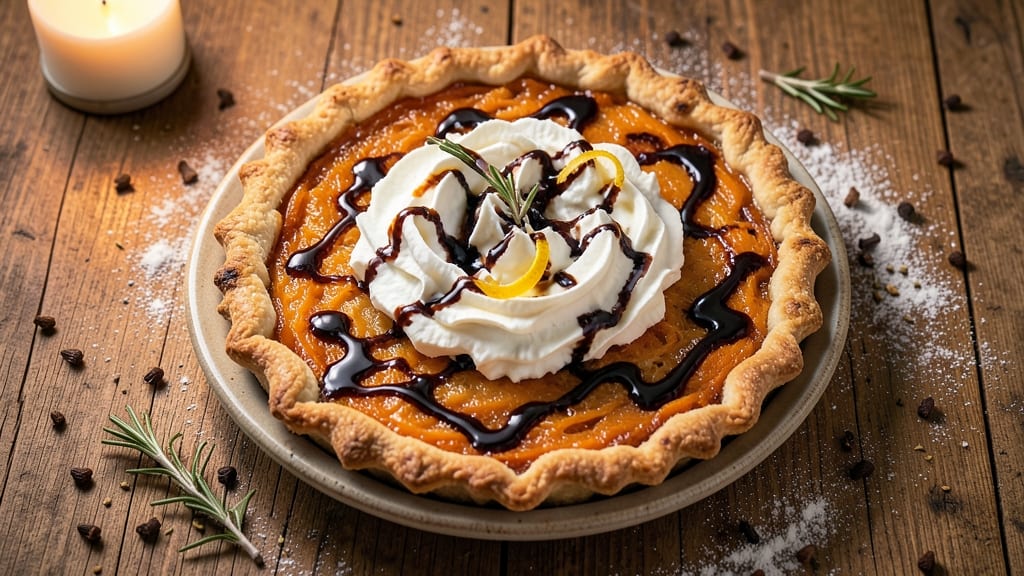
This 18th-century pumpkin pie recipe transports you to colonial America with its spiced rum-infused crust and slow-baked filling—no refined sugar in sight. Historical records show early American pies relied on molasses, nutmeg, and cinnamon for sweetness and depth, and this version stays true to those traditions while modernizing for safety.
The crust, made with flour, lard, and a touch of rum, creates a tender base that contrasts beautifully with the warm, spiced pumpkin filling.
The filling uses fresh pumpkin (or winter squash) puréed by hand—just as cooks did in the 1700s—then simmered with molasses, spices, and a splash of cream. Unlike modern pies, this one bakes uncovered in a shallow dish, allowing the top to develop a delicate crust while keeping the interior moist.
The rum in the crust adds warmth without overpowering, a nod to how early colonists used spirits to preserve and enhance flavors.
What you’ll end up with is a pie that tastes like history—rich, aromatic, and subtly sweet, with a crust that’s crisp yet tender. It’s the kind of dessert that feels like a discovery, perfect for Thanksgiving gatherings or a cozy autumn evening.
The spices (nutmeg, cinnamon, and ginger) sing in harmony, while the molasses provides depth without cloying sweetness.
Serve it with whipped cream or a dollop of clotted cream for an authentic touch, or enjoy it as-is to appreciate the balance of flavors. This pie is a testament to how early American cooks made do with what they had—yet still created something extraordinary.
Let’s bring this colonial classic to life.
Ingredients for 18th century pumpkin pie
Pantry staples meet colonial tradition—just six ingredients transform into history's flavors.
| Ingredient | Amount | Notes |
|---|---|---|
| Fresh Pumpkin 🎃 | 3 cups | Puréeed by hand or blended |
| Molasses 🍯 | ½ cup | Unsulphured preferred for authenticity |
| All-Purpose Flour 🌾 | 2 cups | For crust, sifted if lumpy |
| Lard 🧈 | ½ cup | Leaf or leaf lard preferred |
| Dark Rum 🍹 | 2 tbsp | For crust infusion |
| Heavy Cream 🥛 | ½ cup | For filling richness |
| Ground Cinnamon 🌶️ | 2 tsp | Freshly ground preferred |
| Ground Nutmeg 🌿 | 1 tsp | Freshly grated nutmeg best |
| Ground Ginger 🌶️ | 1 tsp | Freshly ground preferred |
| Salt 🧂 | ½ tsp | Diamond Crystal preferred |
| Ice Water 💧 | ¼ cup | For crust consistency |
| Granulated Sugar 🍚 | ¼ cup | Optional for slight sweetness |
| Egg Yolks 🥚 | 2 whole | For filling binding |
The molasses here is non-negotiable—unsulphured is the authentic choice, giving that deep, caramel-like richness early colonists relied on. Whole Foods or specialty stores stock it, but even the regular grocery aisle usually has it near the baking section. For the lard, leaf lard (like Kroger's) is ideal—it's purer than regular, giving the crust that tender, flaky texture. If you can't find it, unsalted butter works in a pinch, though it'll be slightly less authentic. The rum? Any dark rum will do—Captain Morgan is fine, but a small-batch brand adds more depth. Pro tip: chill your lard and butter before mixing for the crust to avoid melting.
No molasses? Maple syrup is the closest swap, though it's sweeter, so reduce to 3 tbsp. Fresh pumpkin purée is best, but canned pumpkin (no added sugar) works if you're short on time. The spices—cinnamon, nutmeg, ginger—are traditional, but if you've got pumpkin pie spice, use 2 tsp instead. For the crust, if you're avoiding lard, vegetable shortening mimics its texture, though it lacks that historical authenticity. The egg yolks? Vegan mayo works in a bind, but the filling won't be as rich. And if you're feeling fancy, clotted cream for serving? Trader Joe's sells it, or make your own with heavy cream and a splash of vinegar.
The crust dough keeps for 3 days wrapped in plastic in the fridge, or 3 months frozen. The filling? Make it 1 day ahead—flavors meld beautifully. Store both separately. When baking, let the pie cool 4 hours before slicing—this pie is all about that crisp-yet-tender crust, and patience ensures it doesn't turn soggy. Leftovers? Reheat at 350°F for 15 minutes—it reheats like a dream. And if you've got extra crust, bake it blind for a sweet tart or savory hand pie. History tastes best when shared, after all.
Why You'll Love This Recipe
- No-Fuss Assembly: I swear by this crust—just flour, lard, and cold water. No rolling pins, no fuss, and it actually tastes like something your great-grandmother would’ve made (minus the stress).
- Molasses-Rum Magic: That dark rum and molasses combo? It’s like autumn in a pie. Sweet but not cloying, with a warm, spiced depth that sticks with you—honestly, I’ve caught myself sneaking bites straight from the oven.
- Pie for Any Gathering: Serve it warm at Thanksgiving, slice it for a cozy weeknight dessert, or pack leftovers for a picnic. The flavor holds up, and the rustic crust makes it feel special without the holiday pressure.
- Leftovers That Don’t Suck: This pie actually improves the next day—more caramelized edges, richer filling. And because it’s not overly sweet, it’s the kind of dessert that doesn’t disappear in one sitting (my husband’s favorite).
Step-by-step instructions for 18th century pumpkin pie
Here's how to craft this historic pie with an authentic rum-infused crust and velvety spiced filling.
Prepare the Rum-Infused Crust Dough
In a large mixing bowl, combine the 2 cups all-purpose flour with 0.5 tsp salt. Cut in the 0.5 cup lard using a pastry cutter or two forks until the mixture resembles coarse crumbs with pea-sized fat pieces remaining. This texture is crucial for a flaky crust.
Make a well in the center and add the 2 tbsp dark rum. Pour in the 0.25 cup ice water gradually while mixing with a fork until the dough just comes together. Avoid overworking—just until it holds when pressed. Wrap the dough in plastic wrap and chill for at least 1 hour. This resting period relaxes the gluten and makes rolling easier.
Roll and Assemble the Crust
On a lightly floured surface, roll the chilled dough into a 12-inch circle about ⅛-inch thick. Transfer it to a 9-inch pie dish, pressing gently to fit. Trim excess dough, leaving about ½-inch overhang. Fold the overhang under itself to create a neat edge.
Preheat your oven to 375°F. Line the crust with parchment paper, fill with pie weights or dried beans, and bake for 15 minutes. Remove the weights and bake for another 10 minutes until the edges are light golden brown. This pre-baking prevents a soggy bottom. Let cool slightly before filling.
Make the Spiced Pumpkin Filling
In a medium bowl, whisk together the 3 cups fresh pumpkin purée with 0.5 cup molasses, 0.5 cup heavy cream, 0.25 cup granulated sugar, 2 tsp ground cinnamon, 1 tsp ground nutmeg, 1 tsp ground ginger, and 0.5 tsp salt. The mixture should be smooth with no lumps. I like to strain it through a fine-mesh sieve for extra smoothness.
In a separate small bowl, whisk the 2 whole egg yolks until smooth. Gradually whisk them into the pumpkin mixture until fully combined. This step creates a rich, custard-like texture that's characteristic of 18th-century pies. The yolks also help bind the filling during baking.
Fill and Bake the Pie
Pour the filling into the pre-baked crust, spreading it evenly. The filling should come about ½-inch below the crust's top edge. This prevents overflow during baking. For extra flair, you can create a simple lattice top by cutting the remaining dough into strips and weaving them over the filling.
Bake at 350°F for 45-50 minutes until the filling is set but still slightly jiggly in the center. A toothpick inserted should come out with a few moist crumbs, not liquid. If the edges brown too quickly, cover them with aluminum foil. Let the pie cool completely before slicing—this allows the filling to fully set and develop its rich flavors.
Serve and Enjoy
Once cooled, run a sharp knife around the edge to loosen the pie. Serve warm or at room temperature. The crust should be crisp but not brittle, while the filling should be silky with just a hint of molasses sweetness and warm spice notes. The rum infusion adds a subtle depth that transports you back to 18th-century kitchens.
This pie tastes even better the next day as the flavors meld. Store leftovers covered at room temperature for up to 2 days or refrigerate for up to 5 days. The crust stays crisp when reheated briefly in a 350°F oven for 10 minutes.
Pro Tips For Making 18th Century Pumpkin Pie
- ROAST THE PUMPKIN FIRST: I learned this the hard way—skipping the roast and just boiling the pumpkin leaves it waterlogged. Cut it into chunks, roast at 375°F (190°C) for 45 minutes until tender, then mash it. The flavor’s deeper, and you won’t end up with a soggy filling.
- STRAIN THE MOLASSES: Molasses has grit, and nothing ruins a pie like a mouthful of it. Use a fine-mesh sieve to strain it before measuring—yes, even if the bottle says "pure." Trust me, your teeth will thank you later.
- CHILL THE CRUST BEFORE FILLING: Lard crusts shrink when they hit the oven. Roll it out, press it into the dish, then pop it in the fridge for 20 minutes. Cold crust = less puffing, less cracking. (And no, you can’t skip this—your future self will curse you.)
- USE COLD RUM IN THE FILLING: Warm rum evaporates too fast, and you’ll end up with a pie that tastes like it’s missing something. Mix the rum into the pumpkin filling after it’s cooled. The alcohol mellows out, and the flavor stays balanced—not boozy, not flat.
Best sauces and condiments for 18th century pumpkin pie
Molasses Caramel Drizzle
Elevate your pie with a molasses caramel drizzle that mirrors the 18th-century sweetener used in the filling. Simmer ¼ cup unsulphured molasses with 1 tbsp heavy cream and a pinch of salt over low heat for 5 minutes, stirring constantly until thickened.
Drizzle over warm slices just before serving—this adds a glossy, caramelized finish that enhances the pie’s rustic charm. 🍯
Spiced Whipped Cream
Replace store-bought whipped cream with a spiced whipped cream that complements the pie’s warm flavors. Whip 1 cup heavy cream with 1 tbsp powdered sugar, ½ tsp cinnamon, and ¼ tsp nutmeg until soft peaks form.
The spices echo the pie’s filling, creating a cohesive bite. Chill before serving to maintain texture.
Clotted Cream Swirl
For a luxurious touch, swirl clotted cream into each slice before serving. This British-style cream (available at Trader Joe’s or specialty stores) has a thick, golden texture that contrasts beautifully with the pie’s spiced filling. Dollop a spoonful on top or pipe it alongside for an elegant presentation. 🥛
Rum-Infused Syrup
Amplify the rum flavor with a rum-infused syrup. Simmer ¼ cup water, 2 tbsp brown sugar, and 1 tbsp dark rum until slightly thickened (3-4 minutes).
Drizzle over slices to intensify the pie’s colonial-inspired depth. This syrup also pairs wonderfully with vanilla ice cream for a modern twist.
Candied Pecans
Add crunch and texture with candied pecans, a nod to 18th-century American desserts. Toss ½ cup pecan halves with 1 tbsp melted butter, 2 tbsp brown sugar, and ½ tsp cinnamon.
Bake at 350°F for 8-10 minutes, stirring once, until golden. Sprinkle over pie slices for a satisfying contrast.
Vanilla Bean Ice Cream
Serve the pie with a scoop of homemade vanilla bean ice cream for a creamy, cold contrast. The vanilla’s floral notes balance the pie’s molasses and spice, while the ice cream’s chill cuts through the richness.
For authenticity, use Madagascar vanilla beans—their bold flavor was prized in colonial times. A drizzle of caramel ties it all together. 🍦
Nutrition facts
Frequently asked questions
Why does this recipe use molasses instead of sugar?
Molasses was the primary sweetener in 18th-century America, especially in New England where pumpkin was abundant. It provides deep caramel notes and a rich texture that refined sugar can't replicate. Plus, it was more affordable and accessible for colonial cooks. The recipe uses just ½ cup—it's potent!
Can I make this pie without rum?
Yes! Replace the 2 tbsp rum with 2 tbsp apple cider or orange juice for a non-alcoholic version. The acidity helps tenderize the crust, while the fruit flavors complement the spices beautifully. If you prefer a neutral substitute, use 2 tbsp water instead.
How do I know when the pie is fully cooked?
The filling should be set but still slightly jiggly in the center when done—like a custard. A toothpick inserted should come out with a few moist crumbs, not liquid. The crust edges should be golden brown, but the center may still look pale. Baking times vary by oven, so check at 45 minutes and continue until set.
What's the best way to store leftovers?
Store the pie covered at room temperature for up to 2 days or refrigerate for 5 days. The crust stays crisp when reheated briefly at 350°F for 10 minutes. For longer storage, freeze slices wrapped tightly in plastic for up to 1 month. Thaw overnight in the fridge.
Can I use canned pumpkin instead of fresh?
Yes, but choose 100% pumpkin purée with no added sugar. Drain excess liquid if needed. Fresh pumpkin gives the best texture, but canned works in a pinch. For extra authenticity, strain the purée through a fine-mesh sieve to remove any fibrous bits.