
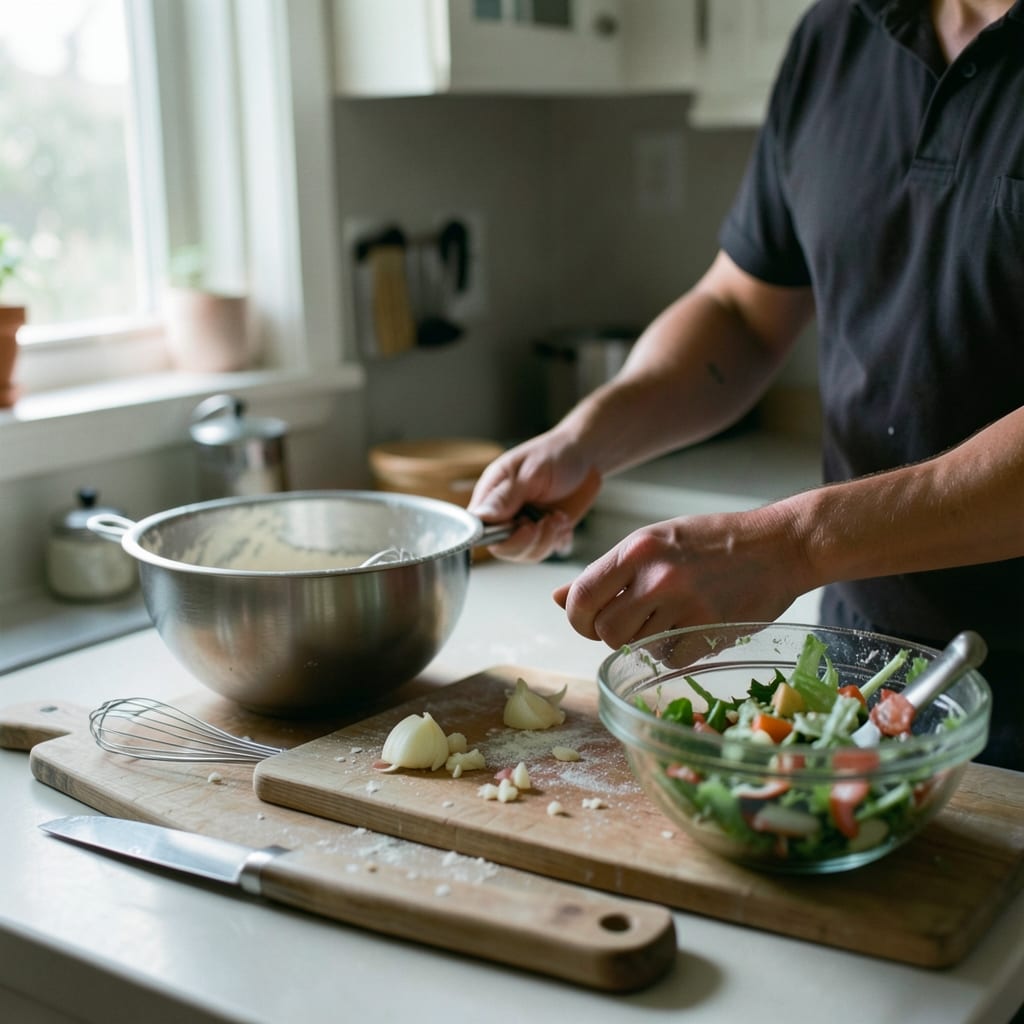
You have read a hundred of these
You’re right: most recipe sites are a mix of stock photos, vague instructions, and wishful thinking. They’ll tell you a dish is ‘easy’ or ‘foolproof’ without ever admitting when it isn’t. We don’t do that.
Every recipe here has been made, remade, and sometimes remade again—until it worked, or until we gave up and started over. There’s no fluff about ‘rustic charm’ or ‘homestyle appeal’ if the crust cracks like a biscuit left in the sun.
We also don’t treat recipes like sacred texts. If a method fails three times in a row, we’ll say so. If a shortcut saves time but ruins texture, we’ll call it out. And if a dish *does* work?
We’ll tell you why—down to the exact temperature of the oven, the weight of the butter, and the moment you *stop* stirring the sauce. No mystery. No magic. Just the truth, even when it’s messy.
This one isn’t—because we don’t pretend to be anything we’re not.
Anyone can write that they test things
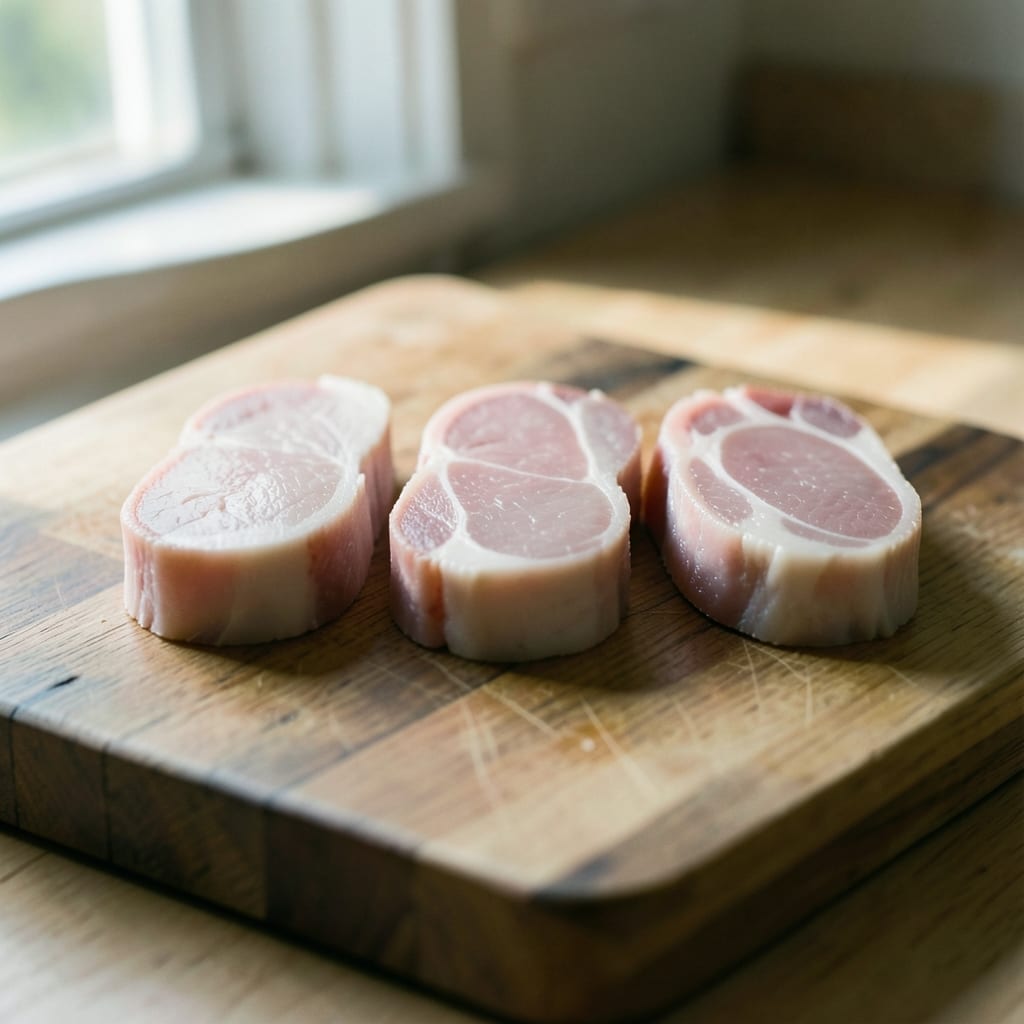
Here’s what ‘testing’ means: a single pie crust recipe might take six batches before we’re satisfied. That’s six hours in the kitchen, six pans scrubbed, six attempts at adjusting the flour-to-fat ratio. One batch burned. Two were too tough.
The third was perfect—until we tried it cold the next day and the texture fell apart. We only publish what survives that process.
And ‘survives’ isn’t just about taste. A recipe here should work in a cramped apartment with a lopsided baking sheet, not just in a chef’s kitchen with every gadget. We test with cheap pans, drafty ovens, and whatever’s on hand—because if it fails there, it’ll fail for you too.
No shortcuts. No excuses.
So we don’t stop at once.
About the author

Angelo Ibarra is the founder and editor of *Pie Recipes Oven*, where he writes about the recipes that shaped his cooking—and the ones that didn’t.
The rules we work by
- 1Fail first
Every recipe starts with at least three bad attempts. If it doesn’t, we’re not learning anything. The cost? Time, patience, and a few ruined dishes—but that’s how you find what *actually* works.
- 2Measure in grams
No ‘pinches’ or ‘eyeballs.’ Precision matters, especially in baking. The trade-off? Slower prep, but results you can trust. And if you’re stuck with cups, we’ll convert—because the recipe should fit your kitchen, not the other way around.
- 3No ‘secret’ ingredients
If it’s not something you’d find at a normal grocery store, we’ll say so up front. No obscure spices or hard-to-find imports unless they’re worth the hunt—and even then, we’ll tell you what to swap in.
- 4Oven is the enemy
Ovens lie. We test every recipe in three different ovens—yours might run hotter or cooler, so we’ll note the adjustments. The cost? More baking sessions, but a dish that turns out right no matter where you live.
- 5If it’s not better, cut it
No filler. No ‘just because’ recipes. If a dish isn’t an upgrade on what you’d make at home, it doesn’t stay. The cost? A leaner site, but only the recipes that earn their place.
Breaking a rule happens. Once, we published a deep-dish pie recipe that *should* have been tested in a springform pan—but the first batch collapsed because we forgot to grease it. Instead of pretending it was intentional, we fixed it, added a note about the mistake, and moved on.
The rule wasn’t ‘never make mistakes,’ it was ‘admit them fast.’
This will not be right for everyone
If you’re looking for quick hacks, ‘5-minute’ meals, or recipes that read like a grocery store ad, close this page now. We’re not here to sell you convenience—we’re here to show you how food *actually* behaves when you pay attention. That means time in the kitchen, not shortcuts.
It means understanding why a dish works (or doesn’t), not just following steps.
This site is for people who’ve burned a crust, overproofed dough, or stood in a sticky kitchen wondering what went wrong—and still wanted to try again. If that’s not you, that’s fine. But if you *are* here, you’ll know why.
You could just be told what you want to hear
We could pad recipes with empty praise, pretend every method is foolproof, and never admit when a dish flops. But that’s not why you’re here—and it’s not why we’re writing. What’s worth telling you? That we’ll call out a flawed technique if it’s the only way to get it right.
That we’d rather you know a recipe takes two hours than lie and say it’s ‘quick.’ And that if a dish is only good with a specific brand of butter, we’ll say so, even if it’s inconvenient.
Worth telling us
- When a ‘trick’ is actually a waste of time (we’ve tested it).
- The exact moment a recipe stops being worth the effort (we’ll say it).
- How to fix it if you mess up—because it *will* happen (we’ve done it).
The recipes are grouped by category: Appetizers, Beverages, Breakfast & Brunch, Desserts, Main Courses and Reviews.