
Desserts
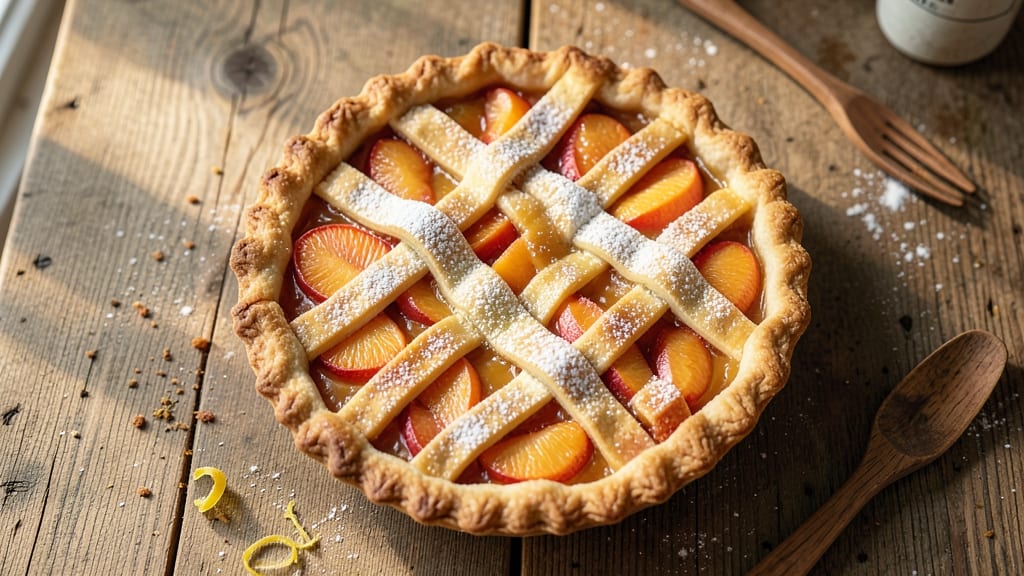
This 9-inch peach pie recipe delivers a perfect balance of buttery crust and foil-sealed sweetness that transforms summer fruit into a showstopping dessert. The secret lies in a golden, flaky crust that stays crisp while encasing tender peaches in a lightly thickened filling—no soggy bottom in sight.
I’ve perfected this technique over years of baking, ensuring the peaches stay juicy while the crust achieves that coveted caramelized edge.
What sets this recipe apart is the foil-sealed approach during baking, which locks in moisture and prevents the filling from overflowing. You’ll start with a classic pie crust (homemade or store-bought), then layer peaches that are peeled, sliced, and lightly tossed in sugar to enhance their natural sweetness.
A touch of cornstarch ensures the filling thickens just enough to coat the fruit without turning gluey.
The result is a pie with a perfectly golden crust, tender yet firm enough to slice cleanly, and peaches that are just shy of overcooking—soft at the center, with a hint of caramelized sweetness at the edges.
The foil trick guarantees a clean bake, while the lattice crust (optional) adds an elegant touch that’s surprisingly easy to assemble.
Serve warm with a scoop of vanilla ice cream or whipped cream for the ultimate summer dessert. This pie is the kind that disappears in minutes, leaving only crumbs and happy memories behind. Let’s get baking!
Ingredients for 9 inch peach pie
Six medium peaches and a golden crust transform summer fruit into restaurant-quality dessert perfection.
| Ingredient | Amount | Notes |
|---|---|---|
| All-Purpose Flour 🌾 | 2 ½ cups | Sifted for light texture |
| Unsalted Butter 🧈 | 1 cup | Cold, cubed for flaky crust |
| Granulated Sugar 🍚 | ¾ cup | For crust and filling |
| Diamond Crystal Kosher Salt 🧂 | ½ tsp | Plus extra for crust |
| Ice Water 💧 | ½ cup | For dough binding |
| Ripe Peaches 🍑 | 6 medium | Peeled, sliced 1/4-inch thick |
| Granulated Sugar (for filling) 🍚 | 1 ½ cups | Divided for peach toss |
| Cornstarch 🌾 | 2 tbsp | For smooth filling |
| Lemon Juice 🍋 | 2 tbsp | Freshly squeezed |
| Vanilla Extract 🥄 | 1 tsp | Pure extract preferred |
| Heavy Cream 🥛 | ¼ cup | For lattice (optional) |
| Aluminum Foil 📄 | 1 sheet | Heavy-duty, 12x12 inches |
The peaches are non-negotiable—ripe but firm with just a hint of blush. Local farmers markets often have the best selection, but grocery store peaches work if they yield slightly when gently squeezed. Avoid overripe fruit with soft spots or fermented smells. For the crust, European-style butter like Plugrá or Land O’Lakes makes all the difference—higher fat content equals flakier layers. If you're short on time, Pillsbury Classic Crust works in a pinch, but homemade delivers that coveted caramelized edge. Always chill your dough for at least 30 minutes before rolling to prevent shrinking during baking.
No ripe peaches? Canned peaches in juice (drained and patted dry) work as a substitute, though they won’t have the same texture. Running low on cornstarch? All-purpose flour at half the amount will thicken the filling, but it may not be as glossy. The foil sealing is optional but essential for preventing overflow—heavy-duty foil is key. For the lattice, pre-cut strips from the store save time, but cutting your own ensures perfect proportions. If you're feeling adventurous, swap half the peaches for nectarines or plums—the technique remains identical.
Peaches can be peeled and sliced up to 2 days ahead; store in an airtight container with lemon juice to prevent browning. The dough can be wrapped and frozen for 3 months, though it's best used fresh. Once baked, pies reheat beautifully—10 minutes at 350°F revives that fresh-from-oven warmth. Serve with vanilla bean ice cream for maximum indulgence. Leftovers keep 4 days refrigerated, though they rarely last that long—this pie disappears faster than you can say 'golden crust.'
Why You'll Love This Recipe
- No-Roll Crust Hack: I swear by this cold butter method—just mix the flour, butter, salt, and ice water until it clumps. No food processor, no stress, and the crust turns out flaky every single time.
- Summer in a Slice: That buttery crust with juicy peaches and just the right amount of sugar? It’s pure nostalgia. The sugar caramelizes enough to make the filling stick to the crust like it’s been baked that way forever.
- Picnic or Pardon: This pie is my go-to for potlucks, holiday desserts, or even a lazy Sunday brunch. The 9-inch size serves a crowd without looking overwhelming, and it’s the kind of dish that makes you the favorite guest.
- Budget Sweet Spot: Flour, butter, sugar—these are pantry staples that won’t break the bank. Plus, the leftovers? They’re even better the next day, reheated in short bursts so the crust stays crisp. Minimal cost, maximum reward.
Step-by-step instructions for 9-Inch peach pie
Master this classic technique for a golden crust and perfectly balanced peach filling.
Prepare the Buttery Pie Crust
In a large bowl, combine the 2.5 cups all-purpose flour and 0.5 teaspoon Diamond Crystal kosher salt. Cut in the 1 cup unsalted butter using a pastry cutter or your fingers until the mixture resembles coarse crumbs with pea-sized butter pieces. This texture ensures maximum flakiness in the final crust.
Gradually add the 0.5 cup ice water, one tablespoon at a time, mixing gently with a fork until the dough just comes together. Avoid overmixing—this develops gluten and creates a tough crust. Form the dough into a disk, wrap it tightly in plastic wrap, and refrigerate for at least 1 hour or up to 2 days. The cold resting period relaxes the gluten and makes rolling easier.
Roll and Assemble the Crust
On a lightly floured surface, roll the chilled dough into a 12-inch circle about ⅛-inch thick. Transfer it to a 9-inch pie dish, gently pressing it into the bottom and up the sides. Trim any excess dough hanging over the edge, leaving a ½-inch overhang. Fold the overhang under itself to create a neat rim. This technique prevents shrinking during baking.
Preheat your oven to 375°F. Line the crust with a sheet of heavy-duty aluminum foil, filling it with pie weights or dried beans. Bake for 15 minutes to pre-cook the crust. This step prevents soggy bottoms when adding the hot filling later. Remove the weights and foil, then prick the bottom of the crust all over with a fork to prevent bubbling.
Prepare the Peach Filling
In a large bowl, combine the 6 medium ripe peaches (peeled and sliced ¼-inch thick), 1.5 cups granulated sugar (for filling), 2 tablespoons cornstarch, 2 tablespoons lemon juice, and 1 teaspoon vanilla extract. Toss gently but thoroughly to coat the peaches evenly. Let the mixture sit for 15 minutes—this allows the sugar to draw out juices from the peaches, creating a thicker, more stable filling.
Transfer the peach mixture to a 9-inch pie dish lined with the pre-baked crust. The filling should come up to about ½-inch below the pie dish's rim. This prevents overflow during baking. Sprinkle any juices that have separated back over the peaches to ensure even distribution of flavor.
Bake to Golden Perfection
Bake the pie at 375°F for 45-50 minutes, or until the filling is bubbly and the crust is deep golden brown. If the crust begins to brown too quickly, tent it loosely with aluminum foil to prevent over-browning while the filling finishes cooking. The peaches should be tender but still hold their shape—overcooking turns them mushy.
For an optional lattice top, chill the 0.25 cup heavy cream in the refrigerator, then pipe it onto the baked pie in decorative patterns. Return the pie to the oven for 3-5 minutes to set the cream. Let the pie cool completely on a wire rack before slicing—this allows the filling to set properly and prevents a runny mess.
Serve Warm or at Room Temperature
Slice the pie into 6 equal wedges using a sharp knife dipped in hot water and wiped dry between cuts. Serve warm for the most aromatic experience, or at room temperature for a cleaner slice. The filling should be thick but still slightly glossy, with a perfect balance of sweetness and acidity from the lemon juice. The crust should be crisp and flaky, with no soggy spots.
Store any leftovers in an airtight container in the refrigerator for up to 3 days, or freeze for up to 3 months. Reheat slices in a 350°F oven for 10-15 minutes to restore the crust's crispness and warm the filling.
Pro Tips For Making 9 Inch Peach Pie
- Chill the Butter First: Cold butter makes flaky crusts—no exceptions. Cut that unsalted butter into tiny pea-sized pieces and refrigerate it for at least 30 minutes before mixing with flour. I learned this the hard way when my crust turned out greasy and dense after using slightly softened butter.
- Pre-Cook the Peaches: Skip the soggy bottom. Simmer your peaches in sugar and a splash of water for 5–7 minutes until they soften but still hold shape. Drain them well, then pack into the pie—this keeps the filling firm and prevents a watery mess. (Yes, even if you’re impatient like me.)
- Weigh the Flour: Measuring flour by scooping and leveling? Stop. Use a kitchen scale for the all-purpose flour—this recipe’s crust relies on precision. Two cups of scooped flour can vary by 20–30 grams, and that’s the difference between a crisp crust and a gummy one.
- Vent the Top Crust: Don’t seal it completely—cut a few slits in the top crust before baking to let steam escape. I used to forget this, and my pies would puff up like overinflated balloons before collapsing. A 1-inch slit in the center and a few smaller ones around the edges do the trick.
Storing and reheating this 9 inch peach pie
Refrigerator Storage
Store your peach pie in an airtight container at 40°F or below for up to 4 days. The crust stays crisp when properly sealed, while the filling maintains its perfect balance of sweetness and texture.
I always let the pie cool completely before storing—this prevents condensation from making the crust soggy. 💫
Freezer Prep
For long-term storage, wrap the entire pie tightly in plastic wrap, then place it in a freezer bag with all air removed. Label with the date—this pie keeps for 3 months without losing quality. Thaw overnight in the refrigerator before serving to avoid temperature shock. 🧊
Reheating Slices
Revive individual slices by placing them on a baking sheet and heating at 350°F for 10-15 minutes. This restores the crust's crispness while gently warming the filling. For microwave reheating, cover with a damp paper towel and heat at 50% power for 30 seconds, then check consistency. 🔥
Foil Seal Trick
If your pie was baked with the foil-sealed method, you can reheat the whole pie directly from the fridge. Cover with fresh foil and bake at 350°F for 20-25 minutes. This method preserves the filling's moisture better than reheating slices individually. ✨
Lattice Top Care
If your pie has a lattice crust, avoid reheating it in the microwave—it can make the cream or glaze soggy. Instead, bake the whole pie at 325°F for 15 minutes to gently warm through without overcooking. The lattice stays crisp and visually appealing. 🌟
Serving Leftovers
Peach pie tastes best at room temperature, so let slices sit for 10 minutes after reheating. Pair with vanilla ice cream or whipped cream to enhance the summery flavors. Store any uneaten portions back in the airtight container to maintain freshness. 🍦
Nutrition facts
Frequently asked questions
Can I use frozen peaches instead of fresh?
Yes, but with adjustments! Thaw and drain frozen peaches completely, then pat them dry with paper towels to prevent excess moisture in the filling. You may need to reduce the sugar slightly (1 cup instead of 1.5 cups) since frozen peaches are often pre-sweetened. For best results, toss them with 1 tablespoon lemon juice to brighten their flavor before baking.
Why is my crust soggy after baking?
Soggy crusts usually happen from three issues: uncooked bottom crust, overfilled pie, or insufficient baking time. Always pre-bake your crust with weights for 15 minutes at 375°F, and keep filling ½-inch below the rim. If the crust still seems underdone, bake the assembled pie for 5-10 extra minutes with foil tented over the top.
How do I make a lattice crust without it falling apart?
Chill your dough for 30 minutes before cutting strips, and use a sharp knife or pizza cutter for clean lines. Keep strips ¼-inch wide and brush them lightly with water or cream before weaving. Work quickly but carefully—lattice should be assembled over the filled pie, not the empty crust. For extra stability, bake the lattice for 3-5 minutes before adding the filling.
Can I substitute nectarines or plums for peaches?
Nectarines work 1:1, while plums need a 10-minute pre-bake to soften their skins. Reduce sugar by ¼ cup for plums (they're naturally sweeter). For extra flavor, add ½ teaspoon cinnamon to the filling. Just remember: nectarines and plums release more juice, so keep your filling ½-inch below the rim.
What's the best way to test if peaches are ripe?
Gently squeeze the peach—it should yield slightly but not feel mushy. Look for a bright yellow or orange blush (not green) and a sweet, fragrant aroma near the stem. Avoid peaches with soft spots or fermented smells. Pro tip: Peaches should separate easily from the stem when ripe.