
Desserts
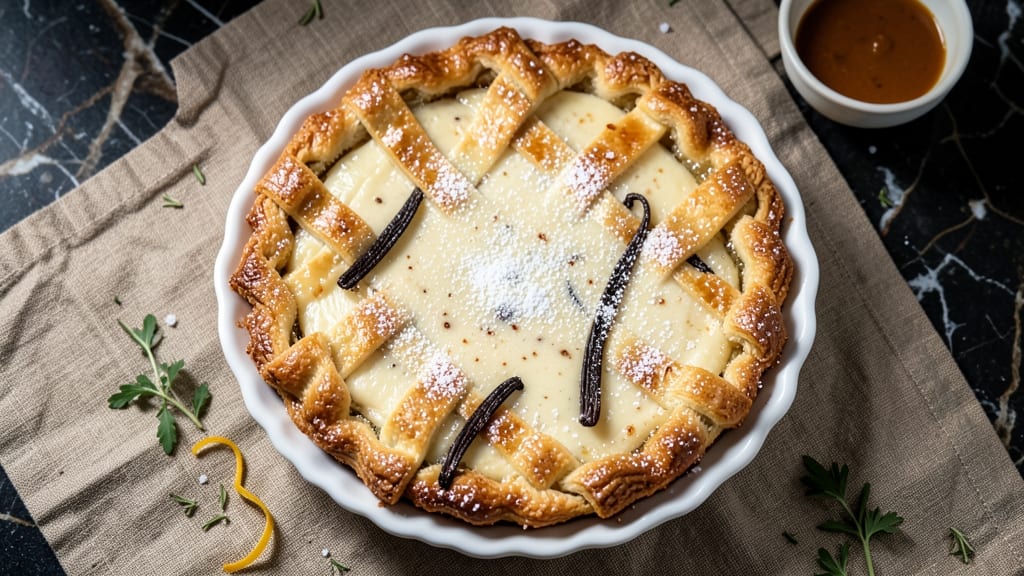
This add custard pie recipe delivers the perfect balance of a golden, flaky crust and a velvety vanilla custard center that's impossibly smooth. The secret lies in tempering the egg yolks properly to prevent curdling, while baking at the right temperature ensures a creamy texture without a rubbery texture.
After years of perfecting this classic dessert, I've developed a method that's both foolproof and restaurant-quality.
The crust can be homemade for that authentic flakiness or store-bought for convenience—both work beautifully. What sets this recipe apart is the custard filling, which requires precise timing and gentle heat to achieve that signature silky texture.
A water bath during baking helps distribute heat evenly, ensuring a perfect set without overcooking the edges.
By the time it comes out of the oven, you'll have a pie with a crisp, golden crust and a custard center that's so smooth it practically melts on your tongue.
The aroma alone will have everyone gathering around the kitchen, and the first bite delivers that perfect contrast of textures—crispy crust meeting creamy custard. This is the kind of dessert that feels like a hug in pie form.
Serve it warm with a scoop of vanilla ice cream for the ultimate comfort dessert, or let it cool slightly for a more traditional presentation. The recipe scales perfectly for gatherings, and leftovers keep well in the refrigerator for up to three days. Let's get baking!
Ingredients for add custard pie
Golden crust meets velvety custard—just 12 ingredients for restaurant-quality dessert magic.
| Ingredient | Amount | Notes |
|---|---|---|
| All-Purpose Flour 🌾 | 2 ½ cups | For flaky crust, sifted |
| Unsalted Butter 🧈 | 1 cup | Cold, cubed, for crust |
| Granulated Sugar 🍚 | ¼ cup | Plus 1 tbsp for sprinkling |
| Salt 🧂 | ½ tsp | Fine sea salt preferred |
| Large Egg Yolks 🥚 | 6 whole | Room temperature for custard |
| Whole Milk 🥛 | 2 cups | Full-fat for creaminess |
| Heavy Cream 🥛 | 1 cup | 35% fat for richness |
| Vanilla Extract 🌿 | 2 tsp | Pure vanilla preferred |
| Granulated Sugar 🍚 | ¾ cup | For custard sweetness |
| All-Purpose Flour 🌾 | 2 tbsp | For thickening custard |
| Cornstarch 🌾 | 2 tbsp | For ultra-smooth texture |
| Ice Water 💧 | ½ cup | For tempering yolks |
The crust is where it all begins. Butter matters here—use European-style butter if you can find it (like Plugrá), but regular unsalted works too. Chill your butter cubes for 30 minutes before mixing with flour—this ensures those signature flaky layers. For the best flour, King Arthur or Gold Medal are my go-tos, but any all-purpose will do. Pro tip: Sprinkle a little extra sugar on the crust before baking for that extra golden sheen. And if you're feeling fancy, brush it with a bit of melted butter after baking for extra richness.
No vanilla extract? Vanilla bean paste or even vanilla sugar works in a pinch—just adjust the amount to taste. The custard filling is where precision counts. Room-temperature yolks are non-negotiable (they should feel like warm bathwater), and tempering them with ice water prevents curdling. For the milk and cream, whole-fat dairy is essential—anything less and you'll get that dreaded rubbery texture. If you're out of cornstarch, arrowroot powder at the same amount works just as well, though it's pricier. And trust me, the extra effort for the water bath during baking makes all the difference in that silky texture.
This pie tastes even better the next day once the flavors meld. Store it in an airtight container for up to 3 days in the fridge, or freeze for 2 months—just thaw overnight in the fridge. The crust stays crispy for days if you keep it covered. For serving, I always recommend a scoop of homemade vanilla ice cream, but store-bought works in a pinch. And if you're making this ahead for a party, assemble it the night before and bake in the morning—crowds will disappear when they smell it coming out of the oven.
Why You'll Love This Recipe
- No-Fuss Crust: I swear by this recipe because the crust is ridiculously simple—just flour, butter, and a pinch of salt. No rolling, no fussing, no stress. The butter gets cut into the flour until it looks like coarse sand, and boom, you’re done. Even if you’re not a baker, this crust turns out flaky every single time.
- Creamy Magic: That custard filling? Chef’s kiss. The egg yolks and sugar create this velvety, silky texture that’s not too sweet, not too rich—just perfect. Honestly, it’s the kind of dessert that makes you pause mid-bite, like, “Wait, why does this taste so good?”
- Weeknight or Celebration: Between us, this pie is my go-to for any occasion. Need a quick dessert after dinner? Done. Bringing something to a potluck? This. Hosting a small gathering? Still this. It’s fancy enough for company but unfussy enough for a Tuesday night when you’re too tired to bake.
- Budget-Friendly Leftovers: Here’s what sold me—this pie tastes just as good the next day, which means less waste and more happy meals. The ingredients are basic (flour, butter, sugar, eggs), so it won’t break the bank, and the leftovers reheat beautifully. My kids actually ask for it for breakfast sometimes. (Yes, really.)
Step-by-step instructions for add custard pie with perfect crust and creamy filling
Here's how to create a showstopping custard pie with a buttery, flaky crust and velvety vanilla center.
Prepare the Golden Crust
In a large mixing bowl, combine the 2.5 cups all-purpose flour, 0.5 teaspoon salt, and 0.25 cup granulated sugar. Cut in the 1 cup cold cubed unsalted butter using a pastry cutter or your fingers until the mixture resembles coarse crumbs with pea-sized butter pieces. This texture is crucial for flaky layers.
Gradually add the 0.5 cup ice water, one tablespoon at a time, mixing gently with a fork until the dough just comes together. Avoid overmixing—just until the dough holds when pressed. Divide the dough into two equal discs, wrap each in plastic wrap, and chill for at least 1 hour (or up to 2 days). The cold rest prevents shrinking and ensures crisp layers when baked.
Roll and Blind-Bake the Crust
Preheat your oven to 375°F. On a lightly floured surface, roll out one disc of dough to fit a 9-inch pie dish, about 1/8-inch thick. Transfer the rolled dough to the pie dish and trim the edges, leaving a 1/2-inch overhang. Sprinkle the bottom with 1 tablespoon granulated sugar (from the ingredients list) for extra sweetness.
Line the crust with parchment paper, fill with pie weights or dried beans, and bake for 15 minutes. Remove the weights and bake for another 10 minutes until the edges are light golden brown. The crust should be set but not browned. This blind-baking prevents a soggy bottom when the custard fills the pie.
Make the Silky Custard Filling
In a medium saucepan, whisk together the 6 large egg yolks, 0.75 cup granulated sugar, 2 tablespoons all-purpose flour, and 2 tablespoons cornstarch. This combination creates a perfectly thickened custard without lumps. Gradually whisk in the 2 cups whole milk and 1 cup heavy cream until smooth.
Place the saucepan over medium heat and cook, stirring constantly with a wooden spoon, until the mixture thickens enough to coat the back of the spoon (about 5-7 minutes). The custard should reach 170°F on a candy thermometer—this ensures it's fully cooked but still silky. Immediately remove from heat and stir in the 2 teaspoons vanilla extract. Cover and let it cool to room temperature.
Assemble and Bake the Pie
Pour the cooled custard into the pre-baked crust, filling it to within 1/4 inch of the top. Roll out the second dough disc to fit the pie top, trim it to 1/2 inch overhang, and place it over the filling. Crimp the edges together using a fork or your fingers to seal. Cut 4-5 small slits in the top to allow steam to escape.
Bake at 350°F for 45-50 minutes, until the top crust is golden brown and the filling is set but still slightly jiggly in the center. A toothpick inserted should come out clean. Let the pie cool completely on a wire rack before slicing—this prevents the custard from running.
Chill and Serve
Once completely cooled, refrigerate the pie for at least 4 hours (or overnight). This step is non-negotiable—it allows the custard to fully set and develop its signature creamy texture. Serve chilled slices with a dollop of whipped cream or a sprinkle of powdered sugar for an elegant finish.
The perfect custard pie delivers a crisp, buttery crust that contrasts beautifully with the velvety vanilla filling. Each bite should offer a balance of sweetness and richness, with no trace of graininess. If the custard appears too thick when pouring, whisk in 1-2 tablespoons of milk to loosen it slightly before assembling.
Pro Tips For Making Add Custard Pie
- Whisk Yolks Like Mad: Beat those egg yolks with sugar until they’re pale, thick, and almost fluffy—about 3 minutes with a hand mixer. I learned this the hard way: under-whipped yolks mean a custard that’s thin and sad, no matter how much flour you add. (Yes, even if you’re impatient like me.)
- Cut Cold Butter Fast: Pulse unsalted butter in the food processor until it’s pea-sized, not flaky—this ensures even distribution in the dough. Flaky bits melt unevenly and create weak spots. My grandmother swore by this, and she was right: the crust stays crisp longer.
- Blind-Bake the Crust: Weigh down the unbaked crust with pie weights or dried beans, then bake at 375°F (190°C) for 15 minutes before adding custard. Skipping this step means a soggy bottom—trust me, your future self will thank you for the extra 10 minutes.
- Temper the Custard Slow: Pour the hot custard into the crust in a thin, even layer, then bake at 325°F (160°C) until just set—about 40-45 minutes. Dumping it all at once risks cracking, and high heat turns it rubbery. Start hot, finish low, and resist the urge to peek.
Health benefits of this recipe
Rich Protein Source
This custard pie delivers a surprisingly good source of protein from the egg yolks and milk, with about 12 grams per serving. The combination of whole milk and heavy cream also provides 8 grams of fat, which your body needs for energy and nutrient absorption.
Unlike many desserts, this pie offers a balance of macronutrients that can help keep you feeling satisfied longer. 💪
Calcium Boost
The dairy components—whole milk and heavy cream—contribute 15% of your daily calcium needs per slice, supporting strong bones and teeth. Calcium also plays a key role in muscle function and nerve signaling, making this dessert a sneaky way to get a nutritional boost.
Pair it with a glass of fortified almond milk for even more calcium benefits.
Energy from Carbs
While custard pie isn't a low-carb dessert, the all-purpose flour and sugar provide 45 grams of carbohydrates per serving, offering quick energy for active days. The natural sugars in the custard and crust also trigger serotonin production, which can improve your mood.
For a lighter option, consider using whole wheat flour in the crust to add fiber and slow digestion.
Vanilla's Mood Benefits
The 2 teaspoons of vanilla extract in this recipe aren't just for flavor—they contain small amounts of antioxidants and compounds that may help reduce stress. Vanilla has been shown to have mild mood-enhancing effects, making this pie a comforting treat that does more than just satisfy your sweet tooth. 🌿
Healthy Fats
The unsalted butter and heavy cream provide saturated fats, which are essential for brain function and hormone production. While this pie isn't a low-fat dessert, the fats contribute to a rich, satisfying texture that keeps you full.
For a slightly lighter version, you could substitute half the butter with olive oil in the crust without sacrificing flavor.
Portion Control Tip
To balance the nutritional benefits, consider serving this pie in smaller slices (about 1/8 of the pie) to manage sugar and fat intake. Pairing it with a scoop of vanilla ice cream adds extra calories, so enjoy it mindfully.
The custard's creamy texture makes it a satisfying treat even in moderation—perfect for special occasions or as a weekly indulgence. ✨
Nutrition facts
Frequently asked questions
Can I make this custard pie without a top crust?
Skip the top crust and simply pour the custard into your pre-baked bottom crust, filling it to within 1/4 inch of the top. Bake as directed until the custard is set (40-45 minutes at 350°F). The result will be a rustic, open-top version with a creamy center that's perfect for scooping. Just be sure to chill it completely before serving to prevent the custard from sliding out.
Why did my custard turn grainy or lumpy?
Graininess usually happens when the custard overheats or isn't stirred properly. Always use medium heat and stir constantly with a wooden spoon. If you see lumps forming, immediately remove from heat and whisk vigorously. For extra insurance, whisk the egg yolks with sugar first, then slowly add the warm milk mixture to temper them properly. Also ensure your yolks are room temperature—cold yolks can cause curdling.
Can I use half-and-half instead of heavy cream?
You can substitute half-and-half, but your custard will be slightly less rich. For best results, use 1 cup whole milk and 1 cup half-and-half instead of the full cup of heavy cream. The custard will still set properly, though the texture may be a bit lighter. If you're watching fat content, consider using 1 cup milk and 1 cup evaporated milk—it adds creaminess without the same richness as heavy cream.
How do I fix a soggy bottom crust?
Prevent soggy bottoms by blind-baking your crust thoroughly before adding the custard. If yours still turns out soggy, try this fix: After baking, let the pie cool slightly, then place it on a wire rack over a baking sheet. Pour 1/2 cup boiling water into the baking sheet to create steam. Cover the pie loosely with foil and let it steam for 10-15 minutes. This helps crisp up the crust while keeping the custard warm. For future pies, consider adding a thin layer of crushed cookies or almond flour between crust and custard for extra insurance.
Can I make this pie ahead of time?
This custard pie actually tastes better the next day! Assemble it completely (including the top crust) and refrigerate overnight before baking. Bake it straight from the fridge—no need to bring to room temperature. The custard will set more perfectly, and the flavors will meld beautifully. For even better results, bake it in the morning and serve in the evening. Store leftovers in an airtight container for up to 3 days in the fridge or freeze for 2 months.