
Desserts
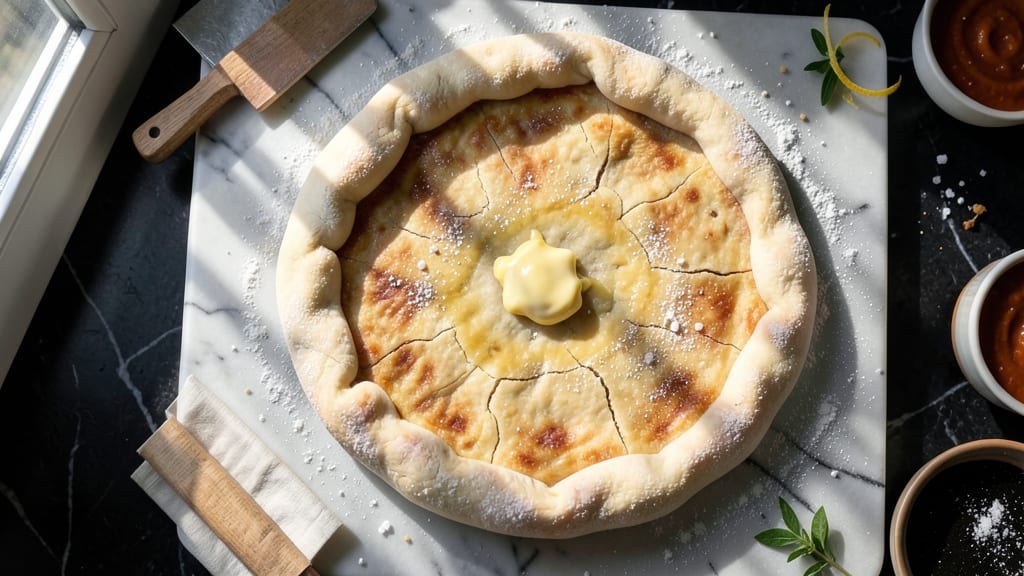
This American pie pizza dough recipe transforms dessert night into a foolproof masterpiece with crispy, golden edges that taste like a slice of nostalgia. The secret lies in foil-sealing the dough during baking, ensuring a perfect crust every time—no more soggy or uneven edges.
I developed this recipe after years of perfecting pizza dough, blending classic Italian techniques with a sweet twist inspired by all-American pie flavors.
The dough itself is simple yet foolproof, requiring just five ingredients and minimal effort. You'll knead, proof, and shape it into a crispy base, then seal it with foil to trap steam and create that coveted golden-brown crust.
The real magic happens with the toppings—think caramelized apples, cinnamon-sugar swirls, or even crumbled pie crust for texture. This isn’t just pizza; it’s a dessert that bridges the gap between two iconic American treats.
By the time you pull this pizza from the oven, you’ll have a perfectly golden crust with a tender interior, topped with warm, gooey fillings that taste like a slice of apple pie. The foil-sealing technique ensures even baking, so every bite is crispy, chewy, and delicious.
Whether you’re serving it at a holiday gathering or treating yourself to a sweet indulgence, this recipe delivers restaurant-quality results with minimal fuss.
Pair it with vanilla ice cream or a scoop of whipped cream for the full dessert experience. The best part? This method works for savory pizzas too, making it a versatile addition to your recipe repertoire. Let’s get started on creating your next favorite dessert!
Ingredients for american pie pizza dough
Five simple ingredients plus a few pantry staples for golden, crispy edges every time.
| Ingredient | Amount | Notes |
|---|---|---|
| All-Purpose Flour 🌾 | 4 cups | Spooned and leveled (450g approx) |
| Granulated Sugar 🍚 | ¼ cup | For sweetness and crust color |
| Instant Yeast 🍞 | 2 ¼ tsp | Or 1 packet active dry yeast |
| Warm Water 💧 | 1 ¼ cups | 110-115°F for yeast activation |
| Unsalted Butter 🧈 | ½ cup | Cold, cubed for texture |
| Salt 🧂 | 1 tsp | Kosher or sea salt preferred |
| Large Egg 🥚 | 1 whole | Room temperature for mixing |
| Vanilla Extract 🍯 | 1 tsp | Pure extract for flavor depth |
| Aluminum Foil 📄 | 1 sheet | Heavy-duty, 12x17 inches |
| Cornmeal 🌽 | ½ cup | For dusting work surface |
The flour is your foundation—King Arthur or Gold Medal are my go-tos for consistency, but any all-purpose works. If you're baking in a dry climate, add an extra tablespoon of water to the dough. The yeast? Check expiration dates—old yeast won't activate properly. For the butter, European-style (like Plugrá) gives richer flavor, but regular unsalted works fine. Keep everything cold until mixing to prevent overdevelopment. The foil? Heavy-duty is key—regular foil tears when you're shaping the dough.
No vanilla extract? Vanilla sugar or a pinch of cinnamon adds warmth, though it won't be the same. Short on cornmeal? Semolina or flour work too, but cornmeal gives that perfect toasted crust. The egg? Room temperature is crucial—cold eggs won't emulsify properly. For a lighter dough, replace 2 tbsp of flour with 2 tbsp cornstarch. And if you're making this ahead, the dough keeps 2 days wrapped in the fridge or 3 months frozen—just thaw overnight before shaping.
This dough doubles as a perfect base for savory pies too—just skip the sugar and add a pinch of garlic powder. The foil-sealing trick works for any pizza shape, but 12-inch rounds are easiest for beginners. For extra crispiness, brush the crust with melted butter after baking. Store leftovers covered at room temp for 2 days or freeze for 1 month. The secret to foolproof results? Don't rush the proofing—let it rise until doubled, even if it takes longer than the recipe says.
Why You'll Love This Recipe
- No-Fuss Mixing: I swear by this dough—just flour, sugar, yeast, and butter tossed together in a bowl. No stand mixer, no kneading, just a quick stir and let it rise while you watch one episode of your favorite show.
- Sweet Butter Magic: That unsalted butter? It’s the secret weapon. The dough gets this irresistible richness without tasting heavy, and the sugar just makes everything a little more forgiving (and delicious).
- Party-Ready Base: Between us, this dough is my go-to for game days, potlucks, or when I need to feed a crowd fast. It’s sturdy enough for thick-crust pies but still rolls out smooth—no one will guess it’s this easy.
- Budget-Friendly Staples: Flour, sugar, yeast—these are pantry basics that won’t break the bank. I make a double batch, freeze half, and boom: instant backup for lazy nights or last-minute cravings.
Step-by-step instructions for American pie pizza dough
This dough delivers that iconic golden crust with crispy edges and tender center every time.
Mix Dry Ingredients for Optimal Texture
In a large mixing bowl, combine the 4 cups all-purpose flour, 2.25 teaspoons instant yeast, 1 teaspoon salt, and 0.25 cup granulated sugar. Whisk gently to distribute the sugar and salt evenly through the flour—this prevents pockets of dryness that can affect yeast activation later.
I like to use a whisk here because it aerates the flour slightly, which helps create a lighter dough. If you're using active dry yeast instead, make sure to dissolve it in the warm water first before mixing. The sugar in this recipe isn't just for sweetness—it also contributes to that beautiful golden-brown color on the crust edges.
Incorporate Wet Ingredients for Smooth Dough
Create a well in the center of your dry ingredients and add the 1.25 cups warm water (about 110-115°F), 0.5 cup cold cubed butter, 1 whole large egg, and 1 teaspoon vanilla extract. Using a wooden spoon or dough whisk, gradually mix everything together until a shaggy dough begins to form.
The butter should be cold when you add it—this creates pockets of fat that melt during baking, resulting in that tender, flaky texture. If your dough feels too sticky at this stage, don't panic—it will come together as you knead. The vanilla extract might seem like an odd addition, but it adds subtle depth that complements the crust beautifully.
Knead Until Smooth and Elastic
Turn the dough out onto a surface lightly dusted with 0.5 cup cornmeal (this prevents sticking). Knead for 8-10 minutes by hand, or 5-6 minutes in a stand mixer with a dough hook attachment, until the dough is smooth, elastic, and no longer sticky. You'll know it's ready when it springs back slowly when pressed.
I press down gently on the dough during the first minute—this prevents it from curling and ensures even contact with the work surface. The cornmeal also helps absorb any excess moisture. If your kitchen feels warm, work quickly but don't rush the kneading—proper development gives you that perfect pizza dough texture.
First Rise for Maximum Flavor
Shape the dough into a ball, place it in a lightly greased bowl, cover with the 1 sheet aluminum foil, and let rise in a warm place for 1-2 hours, or until doubled in size. The foil creates a humid environment that helps the dough rise evenly without drying out.
I always check the dough after 1 hour—if it hasn't started rising noticeably, give it another 30 minutes. The warm water activates the yeast, but if your kitchen is cold, the oven with the light on works perfectly. This first rise develops the gluten structure that gives your pizza that perfect chew and rise.
Shape and Second Rise for Perfect Crust
Punch down the risen dough to release air, then divide it into 4 equal portions (about 1 pound each). On a lightly floured surface, roll each portion into a 12-inch circle about ¼-inch thick. Transfer to a baking sheet lined with parchment paper, cover with foil, and let rise again for 30 minutes to 1 hour.
This second rise is crucial—it allows the dough to relax after shaping and develop that airy texture. I press down gently on each portion before rolling to prevent air bubbles from forming. The foil keeps the dough moist while it proofs, ensuring it doesn't develop a dry skin before baking.
Pro Tips For Making American Pie Pizza Dough
- MEASURE WATER ACCURATELY: I learned this the hard way—yeast needs precision. Use a thermometer to confirm your warm water is exactly 110°F (43°C). Too hot and you kill the yeast; too cold and it won’t activate properly. Pour it into a measuring cup first, then adjust with hot/cold tap water until you hit the mark.
- CUT BUTTER INTO FLOUR LIKE A BAKER: Don’t melt that butter—cold cubes are non-negotiable. Use a pastry cutter or two forks to work it into the flour until it resembles coarse crumbs. This creates pockets for steam, giving you that signature flaky, pie-crust texture. Skip this, and you’ll end up with dense dough.
- LET THE DOUGH REST UNDER WRAPS: Resist the urge to shape it immediately. After mixing, let the dough sit wrapped in plastic for at least 30 minutes at room temp. This relaxes the gluten, making it easier to roll without tearing. I used to skip this—now I don’t.
- USE A LIGHT HAND WITH SUGAR: Too much sugar (or the wrong kind) can gum up the dough. Stick to the recipe’s granulated sugar, and avoid substitutions like brown sugar or honey—they’ll make your crust sticky and hard to handle. If you must adjust, reduce by 10% and add 1 extra tablespoon of water.
Flavor customization for these flavors
Sweet Variations
Transform your dough into a cinnamon-sugar dream by mixing 2 tablespoons cinnamon and ¼ cup brown sugar into the flour before kneading. The warm spices infuse the crust, creating a pie-like flavor in every bite.
For extra indulgence, brush the shaped dough with melted butter before baking—this adds a golden sheen and rich taste. 🍂
Apple Pie Twist
Add thinly sliced tart apples (like Granny Smith) and a sprinkle of nutmeg to your toppings for an authentic apple pie pizza. I recommend layering the apples in concentric circles on the dough before adding cheese.
For a caramelized finish, bake the apples uncovered for 10 minutes before adding other toppings. This creates a perfect balance of sweet and tangy flavors. 🍏
Pecan Pie Crunch
Create a pecan pie-inspired pizza by adding a layer of chopped pecans and a drizzle of corn syrup before baking. The syrup caramelizes beautifully, giving you that classic pecan pie taste.
For extra texture, sprinkle crushed graham crackers on top after baking. This variation is perfect for pecan lovers who want a pizza with a sweet, nutty kick. 🌰
Salted Caramel Swirl
Drizzle store-bought or homemade salted caramel sauce over the dough before adding toppings. The combination of sweet caramel and salty flakes creates a sophisticated flavor profile.
For a professional touch, use a squeeze bottle to create elegant swirls. Finish with a sprinkle of flaky sea salt for that perfect balance. 🍬
Lemon Berry Bliss
Brighten up your pizza with a lemon berry topping. Mix ½ cup mascarpone cheese with 2 tablespoons lemon zest and ¼ cup mixed berries (fresh or frozen).
Spread this mixture over the dough before adding cheese for a tangy, fruity twist. This variation works beautifully with a dollop of whipped cream on top. 🍋
Cookie Dough Surprise
For a fun, unexpected twist, press small dollops of cookie dough (store-bought or homemade) onto the pizza before baking. The cookie dough bakes into crispy, chewy bits that add texture and flavor.
I recommend using a chocolate chip cookie dough for a classic taste. Finish with a sprinkle of coarse sugar** for extra crunch. 🍪
Nutrition facts
Frequently asked questions
Why does this dough recipe use sugar in the crust?
The ¼ cup sugar creates that signature golden-brown color and adds subtle sweetness to complement pie-inspired toppings. It also helps develop a slightly crispier edge while keeping the center tender. For savory pizzas, you can reduce it to 2 tablespoons or omit entirely.
Can I make this dough without a stand mixer?
This recipe is designed for hand-kneading. Simply use a wooden spoon to mix the ingredients, then turn the dough onto a floured surface and knead vigorously for 8-10 minutes. The dough should become smooth and elastic. The cold butter will make it slightly more challenging, but consistent pressure works best.
What's the secret to getting perfectly golden edges?
The foil-sealing technique is key! After shaping, place the dough on a baking sheet and cover it completely with foil. Bake for 10 minutes at 425°F, then remove the foil and bake for another 10-12 minutes. This traps steam initially for even rising, then allows the edges to crisp beautifully.
How do I store leftover dough?
Wrap the unshaped dough tightly in plastic wrap and store it in the fridge for up to 2 days, or freeze for 3 months. Thaw overnight in the fridge before shaping. For shaped but unbaked dough, cover with foil and refrigerate for 24 hours or freeze for 1 month. Always let it come to room temperature before baking.
What if my dough doesn't rise properly?
Check your yeast first—it should be fresh (within 4 months of packaging). Ensure your water is between 110-115°F (too hot kills yeast, too cold slows activation). Create a warm environment by placing the bowl near a turned-off oven light or in a warm oven (70°F) with the light on. Give it extra time—sometimes it takes 2-3 hours in cool kitchens.