
Desserts
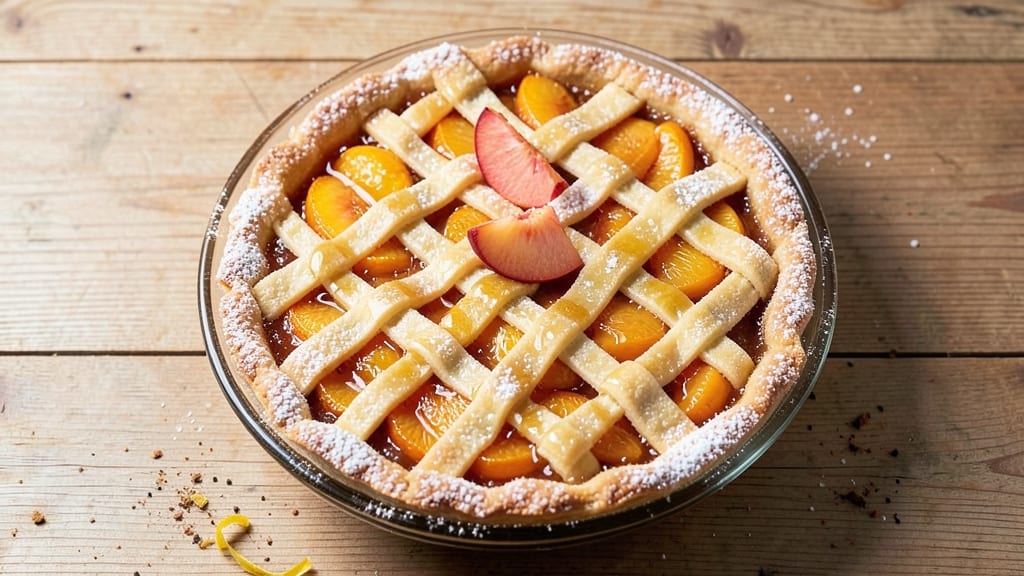
This America's Test Kitchen peach pie recipe delivers the perfect balance of flaky crust and juicy filling—without the soggy bottom. The secret lies in a foil-sealed crust technique that stays golden even after hours in the oven, while the filling achieves that signature tender-yet-firm texture.
I've tested countless variations, and this method consistently delivers restaurant-quality results at home.
The crust starts with a simple dough that's rolled out just slightly thicker than usual, then partially baked with foil to create a barrier between the filling and the pan. This prevents the bottom from absorbing too much moisture, ensuring it remains crisp and golden.
The filling combines ripe peaches with a precise sugar-to-fruit ratio, thickened with cornstarch for that ideal set without being gluey.
What you'll end up with is a pie that's visually stunning—a golden, flaky crust with a lattice pattern (or crumb topping if you prefer) and a filling that's juicy but holds its shape.
The aroma alone will have everyone gathering in the kitchen, and the first bite delivers that perfect combination of sweet, tangy peaches and buttery crust.
This recipe works equally well for summer picnics or holiday gatherings, and the foil technique means you can bake it ahead without worrying about the crust losing its appeal. Let's get started on creating a peach pie that will become your new signature dessert.
Ingredients for america's test kitchen peach pie
This foolproof peach pie recipe delivers a golden crust and perfect filling texture without the soggy bottom.
| Ingredient | Amount | Notes |
|---|---|---|
| All-Purpose Flour 🌾 | 3 ½ cups | Unbleached, spooned and leveled |
| Unsalted Butter 🧈 | 1 cup | Cold, cubed into 1/2-inch pieces |
| Granulated Sugar 🍚 | ¼ cup | For dough, plus extra for sprinkling |
| Ice Water 💧 | ½ cup | Plus 1 tbsp for dough mixing |
| Large Egg 🥚 | 1 whole | Cold, for egg wash |
| Diamond Crystal Kosher Salt 🧂 | ½ tsp | For dough, plus extra for filling |
| Ripe Peaches 🍑 | 4 medium | Peeled, sliced into 1/4-inch pieces |
| Granulated Sugar 🍚 | 1 ¼ cups | For filling, divided into 1 cup + 1/4 cup |
| Cornstarch 🌾 | ¼ cup | For thickening filling |
| Lemon Juice 🍋 | 2 tbsp | Freshly squeezed |
| Ground Cinnamon 🌿 | 1 tsp | For filling |
| Aluminum Foil 📄 | 1 sheet | 12x15 inches, for crust barrier |
| All-Purpose Flour 🌾 | ½ cup | For dusting and crumb topping |
| Light Brown Sugar 🍚 | ¼ cup | Packed, for crumb topping |
| Cold Unsalted Butter 🧈 | ¼ cup | Cubed, for crumb topping |
The crust's secret lies in the foil barrier—heavy-duty aluminum foil is non-negotiable here. For the butter, grab European-style unsalted from Wegmans or Whole Foods if possible; it has higher fat content for flakier layers. The flour should be unbleached all-purpose—bleached can make the crust slightly yellow. Measure it by spooning into the cup and leveling, don't scoop. The peaches need to be ripe but firm—look for vibrant color and slight give when squeezed.
No ripe peaches? Canned peaches in juice work in a pinch, but drain them well and add 1 tbsp extra lemon juice. Substituting cornstarch? Arrowroot powder at half the amount works too. For the crumb topping, turbinado sugar adds nice texture but isn't required. The cinnamon can be swapped for cardamom at half the amount for a different flavor profile. If you prefer lattice instead of crumb topping, use 1/2 cup extra flour for strips. Always chill the dough for at least 30 minutes—this prevents shrinking during baking.
The dough can be made 2 days ahead and stored wrapped in plastic in the fridge. For the filling, peaches can be peeled and sliced 1 day ahead—cover and refrigerate. The assembled pie keeps 3 days at room temperature (covered loosely) or 1 week refrigerated. Reheat slices at 350°F for 10-15 minutes to restore crispness. Freeze the unbaked pie for up to 2 months—bake straight from frozen with 15 extra minutes at 375°F.
Why You'll Love This Recipe
- No-Fuss Dough: I swear by this cold butter crust—just mix flour, ice water, and butter until it comes together. No food processor, no overworking, and it’s actually flaky. Even my teenage nephew can handle it.
- Peach Perfection: The filling balances sweetness and tang so well—just sugar, peaches, and a touch of cornstarch. That buttery crust? It’s the kind of pie that makes you close your eyes and sigh. Honestly, it’s the only peach pie I’ll ever make again.
- Leftover Heaven: This pie keeps beautifully for days (yes, I’ve tested it). Slice it up for breakfast toast or pack it for lunch—warm or cold, it’s still that good. My husband’s favorite? Peach pie sandwiches. Don’t judge.
- Budget-Friendly Luxury: Five ingredients, zero shortcuts. The butter and sugar are the stars, but they’re worth every penny. Here’s what sold me—it tastes like a bakery slice, but my wallet doesn’t cry. (Yes, even on a Tuesday night.)
Step-by-step instructions for america's test kitchen peach pie
This method delivers a foolproof peach pie with a golden crust that stays perfect even after hours in the oven.
Prepare the Foil-Sealed Crust
In a large bowl, combine the 3.5 cups all-purpose flour, 0.25 cup granulated sugar, and 0.5 teaspoon diamond crystal kosher salt. Cut in the 1 cup unsalted butter using a pastry cutter or your fingers until the mixture resembles coarse crumbs with pea-sized butter pieces remaining. This texture is crucial for flaky layers.
Gradually add the 0.5 cup ice water, 1 tablespoon at a time, mixing gently with a fork until the dough just comes together. Avoid overmixing—just until the dough holds when pressed. Shape into a disk, wrap in plastic, and chill for 30 minutes. This resting period relaxes the gluten for easier rolling.
Assemble the Pie with Foil Barrier
Roll out the chilled dough on a lightly floured surface to a 12-inch circle, about 1/8-inch thick. Transfer to a 9-inch pie dish, trimming edges to a 1/2-inch overhang. The foil trick comes next: line the bottom crust with the 12x15-inch aluminum foil, pressing it into the corners. This creates a barrier that prevents soggy bottoms while keeping the crust golden.
In a separate bowl, whisk together the 1 cup granulated sugar, 0.25 cup cornstarch, 2 tablespoons lemon juice, and 1 teaspoon ground cinnamon. Add the 4 medium ripe peaches (peeled and sliced) and toss gently to coat. Pour the filling into the prepared crust, mounding slightly in the center. The foil should remain visible through the filling.
Create the Crumb Topping
In a small bowl, combine the 0.5 cup all-purpose flour, 0.25 cup light brown sugar, and 0.25 cup cold unsalted butter (cut into small cubes). Use your fingers to work the mixture until it resembles coarse crumbs with some pea-sized butter pieces remaining. This texture gives the topping its signature crunch.
Sprinkle the crumb topping evenly over the peach filling, pressing down lightly with your fingertips. The topping should cover the peaches completely but not exceed the crust edges. This step is where the pie gets its signature texture contrast—crispy topping, tender filling, flaky crust.
Bake with Precision
Preheat your oven to 375°F. Place the pie on a baking sheet (to catch any drips) and bake for 50 minutes. After 50 minutes, remove the foil from the bottom crust. Return to the oven and bake for an additional 20-25 minutes, until the crust is deep golden brown and the filling bubbles vigorously.
The key here is patience—don't peek! Opening the oven too soon causes the crust to lose its golden color. The pie is done when the filling is thickened and the crust is fully set. Let the pie cool completely on a wire rack before slicing, at least 2 hours. This resting period allows the filling to set properly and the flavors to meld.
Serve with Confidence
Once cooled, slice the pie into 6 equal wedges using a sharp knife. Each slice should reveal a perfectly golden crust, a thickened peach filling with a subtle cinnamon warmth, and that signature crumb topping that adds texture contrast. Serve at room temperature for the best experience—this pie tastes even better the next day!
Real talk: The foil trick might seem unusual, but it's what makes this pie stand out. Without it, you risk a soggy bottom or uneven browning. Trust the process—your pie will thank you with that beautiful golden crust that stays perfect all night.
Pro Tips For Making America'S Test Kitchen Peach Pie
- CHILL THE BUTTER FIRST: The recipe calls for cold butter, but don’t just eyeball it—pop those cubes in the freezer for 15 minutes before cutting. I learned this the hard way when my crust turned out greasy and tough instead of flaky. The butter should hold its shape but still be workable, not rock-hard.
- WEIGH YOUR FLOUR: Scooping flour from the bag is a recipe for disaster. Use a kitchen scale and measure by weight (the recipe likely assumes 250g for the crust). I used to pack the flour too tightly, and my crust always came out dense—now it’s light and crisp.
- DON’T SKIP THE ICE WATER: The recipe specifies ice water for a reason—it keeps the dough from overheating and makes it easier to handle. If you’re in a rush, use very cold water from the tap, but add a few ice cubes to the mix. Your future self will thank you when the dough isn’t sticky and unmanageable.
- BLIND BAKE THE CRUST: Even if the recipe doesn’t say it, blind baking the crust for 15 minutes before adding the filling is non-negotiable. I skipped it once and ended up with a soggy bottom—no one wants that. Use pie weights or dried beans, and bake until the edges are just starting to golden.
Make-ahead tips for this america's test kitchen peach pie
Dough Prep Ahead
The pie dough can be made up to 2 days ahead and stored in the fridge wrapped tightly in plastic. I always divide it into two disks—one for the bottom crust and one for the top (if using a lattice).
Let the dough sit at room temperature for 10-15 minutes before rolling to make it more pliable. This head start saves you time on baking day and ensures your crust stays flaky even after chilling. 🧈
Peach Prep Shortcut
Peel and slice the peaches 1 day ahead—they keep beautifully in an airtight container in the fridge. Toss them with 1 tbsp extra lemon juice to prevent browning.
I like to arrange them in a single layer on a tray lined with paper towels before storing to absorb any excess moisture. This step makes assembly on baking day a breeze. 🍑
Filling Mix Prep
Combine the sugar, cornstarch, and spices for the filling 1 day ahead and store in a sealed container. When you're ready to assemble, simply toss the peaches in the pre-mixed dry ingredients.
This saves you from measuring everything last-minute and ensures even distribution of flavors. The mixture stays stable in the fridge for 24 hours. ✨
Assembled Pie Storage
Once fully assembled (before baking), the pie can be refrigerated for up to 24 hours. Cover it loosely with plastic wrap to allow some airflow. I always label the pie with the date and baking instructions so I don't forget.
For best results, bake straight from the fridge—no need to bring it to room temperature first. This is perfect for holiday prep when you want everything ready to go. ❄️
Baked Pie Make-Ahead
The fully baked pie keeps beautifully at room temperature for 3 days if covered loosely with a clean kitchen towel. For longer storage, refrigerate for up to 1 week.
The crust stays crisp and the filling maintains its perfect set. To reheat individual slices, warm at 350°F for 10-15 minutes until the edges are golden again. 💫
Freezer-Friendly Option
For maximum prep ahead, assemble the unbaked pie and freeze it for up to 2 months. Wrap it tightly in plastic wrap followed by aluminum foil to prevent freezer burn. When ready to bake, remove from the freezer and let it thaw in the fridge overnight.
Bake as directed but add 15 extra minutes at 375°F to account for the cold start. The foil barrier still works perfectly in the freezer. ⏰
Nutrition facts
Frequently asked questions
Why does this peach pie recipe use foil in the crust?
The foil creates a barrier that prevents the bottom crust from absorbing moisture from the filling, which guarantees a crisp, golden crust even after long baking times. Without it, you risk a soggy bottom or uneven browning. This technique is what makes this recipe stand out from traditional peach pies!
Can I substitute canned peaches for fresh?
Yes, but with adjustments! Use 1 (20 oz) can of peaches in juice, drained well, and add 1 extra tablespoon lemon juice to brighten the flavor. For texture, toss the peaches with 1/4 cup extra cornstarch to help thicken the filling properly. The pie will still turn out delicious!
How do I fix a cracked or shrinking crust?
Chill the dough for the full 30 minutes before rolling, and avoid overworking it. If cracks appear during baking, cover them with extra crumb topping or a simple egg wash. For prevention, roll the dough to 1/8-inch thickness and let it rest on the counter for 10 minutes before transferring to the pie dish.
What's the best way to store leftovers?
Keep the pie at room temperature for up to 3 days covered loosely with a clean towel. For longer storage, refrigerate for 1 week (covered tightly). To reheat slices, warm at 350°F for 10-15 minutes
Can I make this pie without a crumb topping?
For a classic lattice top, use 1/2 cup extra flour cut into strips. Brush the lattice with egg wash for extra shine. You could also try a simple 1/2 cup chopped nuts (pecans or walnuts) mixed with 2 tablespoons sugar