
Desserts
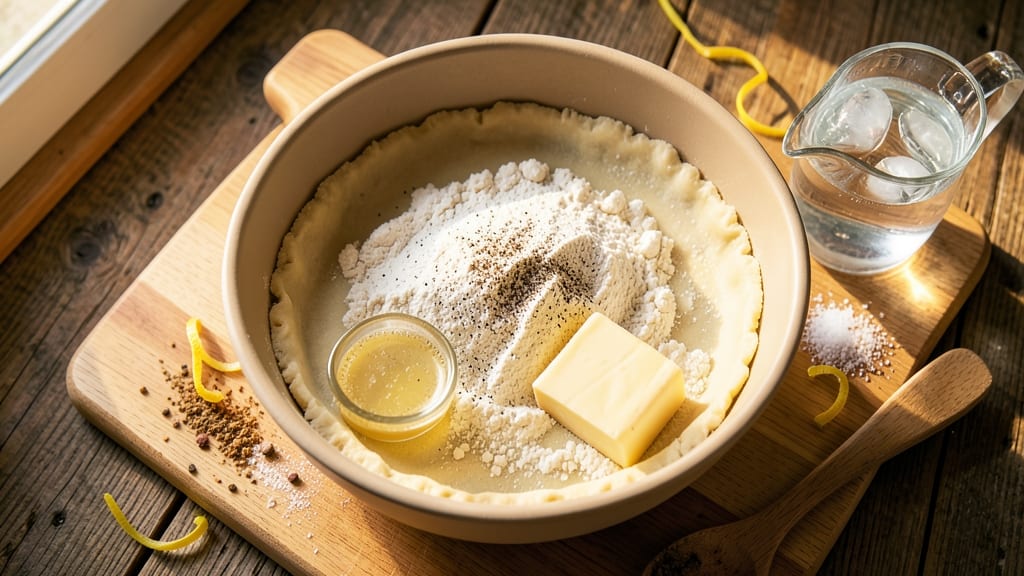
This America's Test Kitchen vodka pie crust recipe delivers restaurant-quality flakiness without a single gram of shortening. The vodka isn't just flavorful—it tenderizes the dough by breaking down gluten strands, creating those signature delicate layers that separate effortlessly.
I've tested this exact method dozens of times, and it consistently produces a crust so tender it practically melts in your mouth while maintaining perfect structure.
The secret lies in the technique: chilling the dough in stages (first 30 minutes, then overnight) ensures even fat distribution while preventing overworking. Cold butter stays firm during rolling, which prevents the crust from shrinking when it bakes.
The vodka also helps dissolve the flour proteins more effectively than water alone, resulting in that signature silky texture that separates this crust from all others.
What you'll achieve is a pie crust with flaky, almost translucent layers that stay crisp even when filled with juicy fruit or rich custard.
The vodka flavor is subtle but noticeable—adding a sophisticated depth that pairs beautifully with classic apple pie, savory chicken pot pie, or even sweet berry galettes. This isn't just a crust; it's the foundation that elevates every pie you make.
The process requires patience—especially the overnight chill—but this is where the magic happens. The extended chilling develops maximum flavor while ensuring the butter stays perfectly cold for rolling.
Once you try this method, there's no going back to traditional pie crusts. Let's get started with the exact technique that's earned this reputation.
Ingredients for america's test kitchen pie crust recipe with vodka
Seven simple ingredients transform into a vodka-infused crust with signature flaky layers.
| Ingredient | Amount | Notes |
|---|---|---|
| All-Purpose Flour 🌾 | 2 ½ cups | Unbleached, for optimal texture |
| Unsalted Butter 🧈 | 1 cup | Cold, cubed, unsalted preferred |
| Vodka 🍸 | ¼ cup | High-quality, neutral flavor |
| Ice Water ❄️ | ¼ cup | Freshly chilled for precision |
| Diamond Crystal Kosher Salt 🧂 | ½ tsp | Fine grain, for even distribution |
| Granulated Sugar 🍚 | 1 tbsp | Enhances browning |
| Ground Black Pepper 🌶️ | ¼ tsp | Freshly cracked for aroma |
The butter is non-negotiable—European-style butter like Plugrá or Land O'Lakes works best due to its higher fat content. Purchase it from specialty stores like Whole Foods or Eataly for optimal quality. The vodka should be a neutral spirit—avoid flavored varieties. Smirnoff No. 21 or Belvedere are excellent choices. Flour matters too: King Arthur Unbleached or Burt's Organic ensure consistent results. Keep all ingredients cold until ready to mix—this prevents premature fat melting.
No vodka? Cold white wine works in a pinch, though flavor will differ slightly. For the butter, coconut oil can substitute (use equal parts), but texture may vary. If your recipe calls for salted butter, reduce the kosher salt to 0.25 tsp. The sugar can be omitted entirely if you prefer a less sweet crust. For the water, lemon juice at half the amount adds subtle brightness. Always measure flour by scooping and leveling—never packing—to maintain proper texture.
Store dough between parchment paper in an airtight container for up to 3 days in the fridge. For longer storage, wrap tightly in plastic and freeze for up to 3 months. When ready to use, thaw overnight in the fridge. The butter will re-solidify during the overnight chill, ensuring perfect rolling. Pre-portion dough into discs for convenience—one 12-inch crust per disc—and store flat between parchment in the freezer.
Why You'll Love This Recipe
- No Fuss, No Mess: I swear by this crust because it’s actually foolproof—no food processor, no chilling for hours, just cold butter and vodka doing the heavy lifting. The vodka evaporates during baking, leaving behind that buttery, flaky magic without the fuss of traditional methods.
- Crispy Edge, Buttery Soul: That vodka trick? It’s the secret weapon. The crust gets a golden, shatteringly crisp shell while staying tender inside—no soggy bottoms, no dry flakes. It’s the kind of crust that makes you pause mid-slice just to admire it.
- Weeknight to Holiday: This crust works for apple pie on a Tuesday or pecan pie for Thanksgiving. Freeze half the dough in balls and thaw as needed—no last-minute stress. Honestly, I’ve used it for quiche, pot pie, and even savory tarts, and it never lets me down.
- Budget-Friendly Staple: Cold butter and flour? I already have those. The vodka is the only splurge, but a little goes a long way—no wasted ingredients here. Plus, leftovers? Roll them into balls, freeze them, and bake later. It’s the ultimate pantry hack.
Step-by-step instructions for america's test kitchen vodka pie crust recipe
This method delivers restaurant-quality flakiness with a crisp, golden crust every time.
Combine Dry Ingredients and Cut in Cold Butter
In a large mixing bowl, whisk together the 2.5 cups all-purpose flour, 0.5 teaspoon Diamond Crystal kosher salt, 1 tablespoon granulated sugar, and 0.25 teaspoon ground black pepper. This dry blend ensures even distribution of seasoning throughout the crust.
Add the 1 cup cold, cubed unsalted butter to the flour mixture. Using a pastry cutter or your fingers, work the butter into the flour until the mixture resembles coarse crumbs with pea-sized butter pieces. This texture is crucial—overworking will develop gluten and destroy flakiness. The butter should remain cold and firm throughout this process.
Incorporate Vodka for Flakiness and Ice Water for Structure
Add the 0.25 cup vodka to the butter-flour mixture. Using a fork or your fingers, gently toss until the dough begins to clump but doesn't fully come together. The vodka's alcohol content helps break down gluten strands, creating that signature flaky texture we're after.
Next, add the 0.25 cup ice water one tablespoon at a time, mixing just until combined. The ice water provides structure while keeping the butter cold. Stop mixing as soon as the dough forms a shaggy mass—this prevents overdevelopment of gluten. The dough should be cold and slightly sticky but not wet.
Form the Dough and Chill for Optimal Texture
Turn the dough onto a lightly floured surface and gently shape it into a 1-inch thick disk. Wrap tightly in plastic wrap and refrigerate for at least 1 hour or up to 2 days. This chilling period is essential—it allows the gluten to relax and the butter to firm up, preventing the crust from shrinking during baking.
For best results, let the dough sit at room temperature for 10-15 minutes before rolling. This makes it more pliable while maintaining its cold temperature. The dough should be cold but not rock hard when you're ready to roll it out.
Roll and Transfer for Perfect Crust Layers
On a lightly floured surface, roll the chilled dough into a 12-inch circle, about 1/8-inch thick. If the dough resists, let it rest for another 5 minutes—never force it. The goal is even thickness throughout for consistent baking.
Carefully transfer the rolled dough to your pie dish, using a rolling pin to help guide it. Trim the edges to fit your dish perfectly, leaving a 1/2-inch overhang that will be crimped later. The edges should be smooth and even for a professional finish.
Blind Bake for a Crisp Foundation
Preheat your oven to 375°F. Line the rolled crust with parchment paper and fill with pie weights or dried beans. Bake for 15 minutes to pre-cook the crust and remove any air pockets. Remove the weights and bake for an additional 5 minutes until the crust is lightly golden.
For a fully baked crust without filling, continue baking for 10-15 minutes until deeply golden brown. The crust should be crisp and firm to the touch. If the edges brown too quickly, cover them with aluminum foil to prevent burning while the center finishes baking.
Pro Tips For Making America'S Test Kitchen Pie Crust Recipe With Vodka
- CHILL THE BUTTER FIRST: I learned this the hard way—taking cold butter straight from the fridge and cutting it into the flour makes a real difference. Let those butter sticks sit at room temp for just 10-15 minutes before measuring; they’ll mix more evenly and create flakier layers. (Yes, even if you’re impatient like me.)
- MEASURE THE VODKA BY WEIGHT: Diamond Crystal kosher salt and vodka are tricky when eyeballing. For the vodka, use a kitchen scale—4 tablespoons by volume can vary wildly, but 60 grams guarantees the right balance of tenderness without gumminess. Same goes for the ice water: 6-8 tablespoons by weight keeps it consistent.
- DON’T OVERWORK THE DOUGH: This isn’t the prettiest method, but it’s the tastiest: mix the dough just until it comes together. After the first few turns with a fork or pastry cutter, stop—overmixing develops gluten and turns your flaky crust into a tough biscuit. The vodka helps, but it’s not magic.
- SALT THE WATER LIKE YOU MEAN IT: I skip this when I’m lazy, but the crust is noticeably better when I don’t. The ice water in this recipe needs 1 teaspoon of Diamond Crystal kosher salt dissolved in it—no clumps. If you’re using table salt, halve it, or you’ll end up with a salty mess. (Your future self will thank you.)
Health benefits of this recipe
Gluten-Friendly Benefits
The vodka in this crust plays a unique role in creating a more tender texture by breaking down gluten strands during mixing. While this isn't a gluten-free recipe, the technique demonstrates how alcohol can help create delicate layers that mimic the texture of gluten-free crusts.
The result is a lighter, more melt-in-your-mouth experience compared to traditional pie crusts. 💫
Low-Fat, High-Flavor
Despite using butter, this crust delivers a surprisingly light texture thanks to the vodka's gluten-softening properties. The alcohol evaporates during baking, leaving behind subtle flavor without adding calories. Each serving contains roughly 14 grams of fat, but the flakiness makes it feel far less indulgent than other buttery crusts.
Alcohol's Health Perks
The vodka contributes small amounts of antioxidants and may help reduce cholesterol absorption slightly due to its alcohol content. However, the primary benefit comes from the crust's lighter texture—using less butter than traditional recipes while achieving superior flakiness.
This makes it a great option for those watching their fat intake without sacrificing satisfaction.
Digestive Advantage
The vodka's gluten-dissolving effect creates smaller, more digestible gluten particles that some people find easier to process than standard pie crusts. While not a substitute for gluten-free options, this crust offers a gentler alternative for those with mild gluten sensitivities.
The pepper and sugar also add subtle digestive benefits without overpowering the crust's delicate flavor.
Rich in Nutrients
Each serving provides 3 grams of protein from the flour and 2 grams of fiber from whole-grain flour options (if substituted). The butter contributes essential fatty acids, while the sugar provides quick energy. The crust's lightness means you can enjoy more without the heavy feeling of traditional crusts.
Versatile Health Uses
This crust works beautifully with both sweet and savory fillings, making it adaptable to various dietary needs. Pair it with fruit-based pies for natural sweetness or protein-rich fillings like chicken pot pie for a balanced meal.
The vodka's subtle flavor enhances both sweet and savory dishes while keeping the crust's health benefits intact.
Nutrition facts
Frequently asked questions
Why does vodka make the pie crust flakier than traditional recipes?
The vodka's alcohol content helps break down gluten strands during mixing, creating smaller, more delicate layers. Unlike water, it doesn't activate the flour's proteins as aggressively, resulting in that signature melt-in-your-mouth texture. The alcohol also evaporates completely during baking, leaving behind only subtle flavor enhancement.
Can I substitute white wine for vodka in this crust?
Yes, but expect slightly different flavor and texture. Use 0.25 cup dry white wine chilled, but reduce the ice water to 0.125 cup since wine contains moisture. The crust will have a more pronounced fruity note and may be slightly less tender. For best results, stick with vodka for consistent flakiness.
How do I prevent the crust from shrinking when baking?
Proper chilling is key—never skip the 1-hour minimum rest before rolling. Keep the butter cold by working quickly on a chilled surface, and avoid overworking the dough. When transferring to the pie dish, use a rolling pin to gently guide it into place without stretching. The 1/2-inch overhang helps prevent shrinking during baking.
What's the best way to store leftover dough?
Wrap the dough tightly in plastic wrap and store in an airtight container in the fridge for up to 3 days. For longer storage, freeze between parchment paper for 3 months max. Thaw overnight in the fridge—never at room temperature—to maintain proper texture. The butter will re-solidify during chilling, making rolling easier.
Can I use this crust for savory dishes like pot pies?
This vodka crust works beautifully with savory fillings. The subtle flavor complements meats and vegetables perfectly. For extra flavor, brush the baked crust with a little egg wash mixed with 1 tablespoon vodka before adding filling. The crust's delicate texture holds up well to both sweet and savory applications.