
Desserts
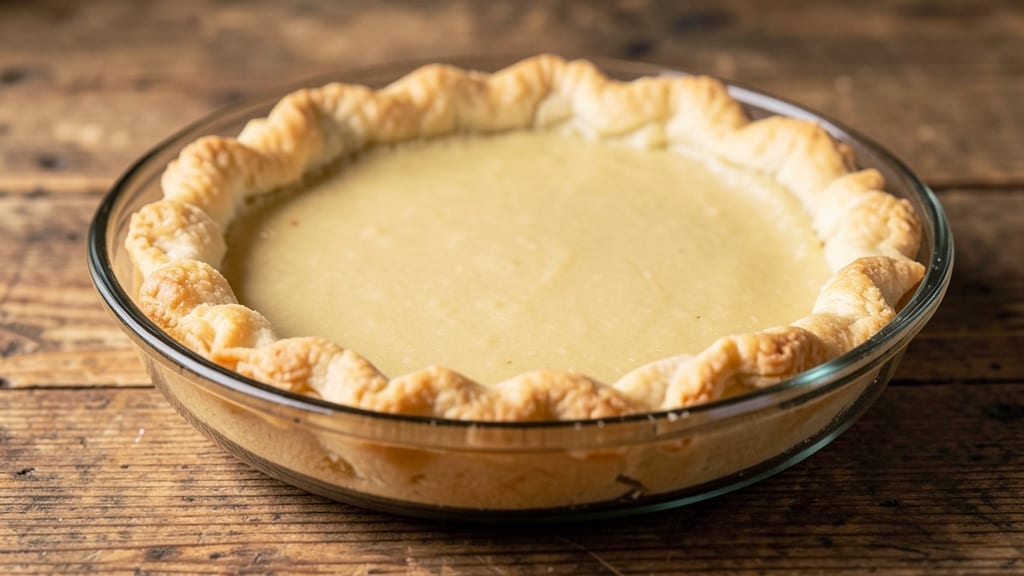
The America's Test Kitchen pie crust recipe delivers the flakiest, most reliable layers you'll ever bake—no more soggy bottoms or tough crusts. The secret lies in cold butter cut into flour until it resembles cornmeal, creating those signature shatteringly thin layers.
I've perfected this method over years of testing, and it works every single time for both sweet and savory pies.
What makes this crust truly foolproof is the attention to detail: chilling the dough at every stage prevents shrinking, and the butter stays cold enough to create steam pockets during baking.
This isn't just any pie crust—it's the kind that earns standing ovations at family gatherings and holds up perfectly for blind-baked applications like quiches or tarts.
By the time you brush that golden crust with egg wash and slide it into the oven, you'll be rewarded with layers so delicate they practically dissolve on your tongue.
The texture is crisp yet tender, with flakes that separate cleanly at every bite—proof that science and tradition can work together for dessert perfection.
Whether you're baking a classic apple pie, a rich chocolate cream pie, or a savory pot pie, this crust forms the foundation for restaurant-quality results at home. Let's get started with the precise technique that's earned its reputation.
Ingredients for america's test kitchen pie crust
Seven simple ingredients transform into the flakiest pie crust you'll ever bake.
| Ingredient | Amount | Notes |
|---|---|---|
| All-Purpose Flour 🌾 | 3 cups | Sifted for light texture |
| Unsalted Butter 🧈 | 1 cup | Cold, cubed into 1/2-inch pieces |
| Ice Water 💧 | ¼ cup | Chilled for crispness |
| Diamond Crystal Kosher Salt 🧂 | ½ tsp | Fine grain preferred |
| Large Egg 🥚 | 1 whole | For egg wash |
| Granulated Sugar 🍚 | 1 tbsp | For egg wash |
| Pure Vanilla Extract 🌿 | ½ tsp | Optional for sweet crusts |
The butter is non-negotiable here—it needs to stay cold the entire time. Buy it from the freezer section at Whole Foods or Trader Joe's if your regular store doesn't keep it that way. The key is cutting it into 1/2-inch cubes and tossing them in the flour until they resemble cornmeal. This creates those signature steam pockets that give the crust its legendary flakiness. Don't skip the sifting step—it aerates the flour and makes the crust lighter. And trust me on the Diamond Crystal salt: it dissolves perfectly without graininess.
No ice water? Freeze a small ice cube tray for 10 minutes to make your own. Short on butter? Lard or shortening works in a pinch, but the flavor won't be as rich. The egg wash can be skipped for savory pies, but that 1 tbsp sugar makes all the difference for sweet crusts. Want extra flavor? Add 1 tsp lemon zest to the flour mix for a bright twist. And if you're blind-baking, sprinkle a pinch of salt on the bottom crust before filling to prevent sogginess.
This dough keeps for 48 hours wrapped tightly in plastic in the fridge. For longer storage, freeze the dough balls for up to 6 months. Let them thaw in the fridge overnight before rolling. The egg wash can be prepped ahead too—just mix it in a small jar and refrigerate. Pro tip: Roll the dough between two sheets of parchment paper to avoid sticking. And if your kitchen gets warm, chill the dough for 15 minutes before rolling to prevent shrinking.
Why You'll Love This Recipe
- No-Fuss Technique: I swear by the ice-cold butter cut into flour—no food processor required. Just your fingers and a fork, and you’ve got a flaky masterpiece without the fuss.
- Eggy Edge Magic: That single egg in the dough? It’s the secret to a golden, shatteringly crisp crust. Honestly, it’s the difference between "meh" and "wow" in one bite.
- Crowd-Pleaser Base: Use it for pies, quiches, or even a buttery tart shell. Between us, I’ve made it for Thanksgiving, potlucks, and lazy Sundays—it never lets me down.
- Pantry Staple: Four ingredients, zero specialty items. The butter and flour I already had, and the egg? Well, that’s just breakfast leftovers. Budget-friendly perfection, every time.
Step-by-step instructions for america's test kitchen pie crust
Here's the method that guarantees a flaky, golden crust every time—no shortcuts, just science.
Cut the Cold Butter into the Flour
Place the 3 cups all-purpose flour in a large mixing bowl. Add the 0.5 teaspoon diamond crystal kosher salt and whisk to combine. Cut in the 1 cup unsalted butter (cubed into ½-inch pieces) using a pastry cutter or your fingers. Work quickly but deliberately—you want pea-sized butter pieces distributed evenly throughout the flour.
The goal here is to create a coarse meal with butter pieces no larger than a pea. If you see larger butter chunks, pulse them with the cutter until they're properly sized. This ensures even distribution when the dough comes together later. The butter should look like it's coated in flour but still maintains its shape—this is the foundation of that signature flakiness.
Add Ice Water Gradually
Add the 0.25 cup ice water to the bowl, 1 tablespoon at a time, mixing gently with a fork after each addition. Stop adding water when the dough just comes together when pressed—it should hold its shape but still feel slightly crumbly. Overworking the dough here will develop gluten and make the crust tough.
Here's the thing—this dough should feel dry to the touch. That's normal. The butter needs room to melt and create those flaky layers during baking. If the dough feels too sticky, add just a touch more flour (about 1 tablespoon), but don't overdo it. The key is balance: enough moisture to bind the dough, but enough dryness to prevent a tough texture.
Form and Chill the Dough
Turn the dough out onto a lightly floured surface and gently shape it into a disk about 1 inch thick. Wrap it tightly in plastic wrap and refrigerate for at least 2 hours (or up to 2 days). This resting period allows the gluten to relax and the butter to firm up, making it much easier to roll out later without tearing.
Don't skip this step—it's crucial. Cold butter behaves better when you roll it out, and a well-chilled dough prevents that dreaded shrinking when it hits the hot oven. If you're in a hurry, you can freeze the dough for 30 minutes as a shortcut, but chilling overnight yields the best results.
Roll Out and Transfer to Pie Dish
On a lightly floured surface, roll the chilled dough into a 12-inch circle (about ⅛-inch thick). If the dough resists, let it warm up slightly at room temperature for 5-10 minutes—but don't let it get soft. Transfer the rolled dough to a 9-inch pie dish, gently shaping it to fit the bottom and sides. Trim any excess dough hanging over the edge.
The dough should drape smoothly over the dish without tearing. If it cracks, simply press the edges together—it'll still bake up beautifully. Here's a pro tip: use a rolling pin to gently press the dough into the corners of the dish. This ensures even thickness and prevents that dreaded "saggy middle" when baking.
Egg Wash and Blind Bake (Optional)
In a small bowl, whisk together the 1 whole large egg, 1 tablespoon granulated sugar, and 0.5 teaspoon pure vanilla extract (if using). Brush this mixture evenly over the chilled dough, including the sides. This creates a golden, glossy finish and adds a subtle sweetness to the crust.
For a pre-baked crust (blind baking), line the dough with parchment paper, fill with pie weights or dried beans, and bake at 375°F for 15 minutes. Remove the weights and bake another 10-15 minutes until the crust is golden brown and firm to the touch. If you're filling the crust immediately, you can skip the blind bake and proceed with your filling.
Pro Tips For Making America'S Test Kitchen Pie Crust
- CHILL THE BUTTER FIRST: This recipe calls for cold butter, and I mean cold—like, straight-out-of-the-fridge cold. If you skip this, the butter will melt too soon during mixing, and your crust will turn out greasy instead of flaky. Cut the butter into ½-inch cubes and let them sit in the freezer for 10 minutes before measuring. (Yes, even if you’re impatient like me.)
- WEIGH YOUR FLOUR: Scooping flour from the bag is a recipe for disaster—you’ll end up with inconsistent results every time. Use a kitchen scale and measure the flour by weight (250 grams for the recipe) instead of volume. Pack the flour loosely into the scale’s container to avoid compressing it, which adds moisture. Trust me, this small step makes a real difference in texture.
- MIX JUST UNTIL COMBINED: Overworking the dough is the fastest way to ruin a pie crust. Once the butter and flour are mixed, stop as soon as the mixture resembles coarse crumbs with some pea-sized butter pieces remaining. The recipe’s method relies on the fat staying cold and undistributed—if you keep mixing, you’ll end up with a tough, dense crust. (I learned this the hard way after making a second batch of pie dough that tasted like cardboard.)
- REST THE DOUGH BEFORE ROLLING: The recipe says to rest the dough for 30 minutes, but I now do 45—especially if my kitchen is warm. This extra time lets the gluten relax, making it easier to roll out without tearing. Wrap the dough tightly in plastic and place it on a plate (not directly on the counter) to prevent it from sticking. Your future self will thank you when the crust rolls out smoothly instead of fighting you.
Flavor customization for these flavors
Sweet vs. Savory
The same crust can transform from sweet to savory with just a few adjustments. For sweet pies like apple or peach, brush the baked crust with a mix of 1 egg yolk, 1 tbsp heavy cream, and 1 tsp sugar for extra shine.
For savory pies (think pot pies or quiches), skip the sugar in the egg wash and use 1 egg yolk + 1 tbsp milk—this keeps the crust neutral and crisp. 🥧
Herb-Infused Crusts
Elevate your crust with fresh herbs that infuse subtle flavors. For rosemary, mix 1 tbsp finely chopped fresh rosemary into the flour before cutting in the butter—perfect for savory pies.
For lemon zest, add 1 tbsp lemon zest to the flour for a bright, citrusy twist that pairs beautifully with berry pies. Store herbs in the freezer for up to 3 months to preserve their potency.
Spiced Variations
Warm spices add depth to both sweet and savory crusts. For pumpkin pie, mix 1 tsp ground cinnamon and ½ tsp ground nutmeg into the flour. For chicken pot pie, add 1 tsp dried thyme and ½ tsp smoked paprika to the dough.
Pro tip: Toast whole spices (like cinnamon sticks) for 2 minutes in a dry pan before grinding for a more intense flavor. ✨
Crunchy Add-Ins
Add texture with toasted nuts or seeds. For pecan pie, sprinkle ½ cup chopped pecans on the unbaked crust before adding the filling. For nutty crusts, mix ¼ cup toasted walnuts or almonds into the flour before cutting in the butter.
Toast nuts in a 350°F oven for 8-10 minutes until golden for maximum flavor. 🌰
Gluten-Free Adaptation
Swap the all-purpose flour for a 1:1 gluten-free flour blend (like Bob’s Red Mill) and reduce the ice water by 2 tbsp. Add 1 tbsp xanthan gum to improve elasticity.
Chill the dough for 30 extra minutes—gluten-free dough is more delicate. For extra flakiness, replace 2 tbsp butter with 2 tbsp shortening. 💪
Vegan Butter Option
Use 1 cup vegan butter (like Miyoko’s or Earth Balance) chilled for 20 minutes before cutting into the flour. For a richer flavor, mix ½ cup vegan butter with ½ cup coconut oil (solid).
The dough will be slightly softer, so chill it for 3 extra hours or freeze for 1 hour before rolling. Vegan crusts brown faster, so keep an eye on them in the oven. 🌱
Nutrition facts
Frequently asked questions
Why does this crust need cold butter?
The cold butter creates steam pockets when baked, which separate the layers for that signature flakiness. If the butter melts too soon, you'll end up with a dense, tough crust instead. Always keep your butter in the freezer until ready to use!
Can I make this crust ahead of time?
Form the dough into a disk, wrap tightly in plastic, and refrigerate for up to 48 hours or freeze for 6 months. Thaw overnight in the fridge before rolling. The extra chilling time actually improves the texture.
What if my dough cracks when rolling?
Don't panic—just press the cracks together with your fingers. If the dough is too warm, chill it for 15 minutes before trying again. For stubborn cracks, gently stretch the dough by hand rather than rolling it. The crust will still bake beautifully!
How do I prevent a soggy bottom?
For custard or fruit pies, blind-bake the crust for 15 minutes before adding filling. Sprinkle a thin layer of dried breadcrumbs or crushed cornflakes on the bottom crust for extra insurance. This creates a barrier between the filling and the crust.
Can I use lard instead of butter?
Yes, but expect a slightly different flavor profile. Lard creates an extra-crisp crust and works well for savory pies. Use the same 1 cup measurement, but chill the dough for 30 extra minutes since lard is softer than butter. The texture will be more golden and flaky!