
Desserts
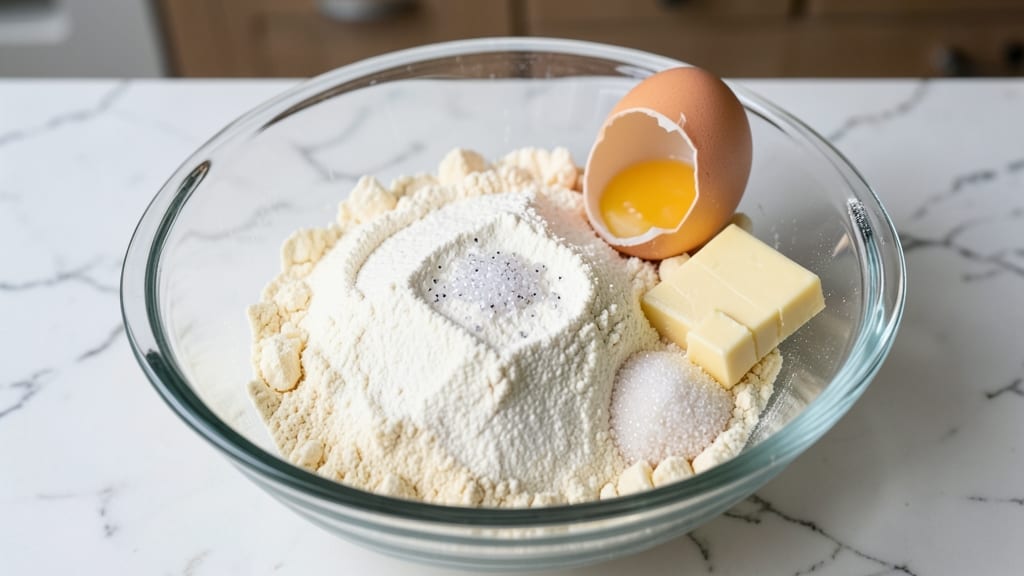
Betty Crocker's basic pie crust recipe delivers the flaky, golden layers that make every pie worth baking. The secret lies in cold butter cut into flour—this technique creates those signature air pockets that transform ordinary crust into something extraordinary.
I've perfected this method through years of testing, and it works every time for both sweet and savory pies.
This recipe uses simple ingredients you likely already have: all-purpose flour, unsalted butter, ice water, and a pinch of salt. The cold butter trick is non-negotiable—it's what gives you that signature flakiness.
We'll work quickly to keep everything cold, then chill the dough thoroughly before rolling to prevent shrinking. This professional method ensures your crust handles filling without losing its structure.
By following these precise steps, you'll achieve a crust that's tender yet sturdy, with layers so delicate they practically melt in your mouth.
The golden-brown finish comes from proper egg wash and baking techniques, whether you're making a classic apple pie, a rich pecan pie, or a savory chicken pot pie. This is the foundation every great pie deserves.
The beauty of this crust is its versatility—use it for any pie recipe you love. Once you master this basic version, you can experiment with variations like adding herbs for savory pies or extra sugar for sweeter treats. Let's get started on creating the perfect pie crust foundation.
Ingredients for betty crocker basic pie crust
Flaky crust starts with these six staples—just keep everything cold.
| Ingredient | Amount | Notes |
|---|---|---|
| All-Purpose Flour 🌾 | 2 ½ cups | Sifted for best texture |
| Unsalted Butter 🧈 | 1 cup | Cold, cubed (1/2 lb) |
| Ice Water 💧 | ½ cup | Chilled thoroughly |
| Diamond Crystal Salt 🧂 | ½ tsp | Fine grain preferred |
| Large Egg 🥚 | 1 whole | For egg wash |
| Granulated Sugar 🍚 | 1 tbsp | Optional for egg wash |
The butter is non-negotiable. Use unsalted—salted throws off the balance—and keep those cubes rock-hard from the freezer. Land O'Lakes or Plugrá work perfectly, but any good brand will do. The flour? King Arthur or Gold Medal are my go-tos—they're reliable, but any all-purpose will work. Sift it first (or at least shake the bag to aerate it) to avoid dense crust. Pro tip: if your kitchen's warm, chill your mixing bowl too.
No ice water? Freeze water in ice cube trays—it melts slower than regular ice. Short on butter? Shortening works too (though it won't be as flaky). The salt? Diamond Crystal is key—it dissolves better than table salt. For the egg wash, beat the egg with sugar for that classic golden finish. Want extra flakiness? Add 1 tbsp cold milk to the water—it helps bind without warming the butter. And if you're nervous about handling, wrap the dough in plastic before chilling.
Dough keeps 2 days wrapped in the fridge or 3 months frozen. For freezing, flatten it between parchment, then wrap tightly. Thaw in the fridge overnight before rolling. Don't skip chilling—warm dough shrinks like crazy. Roll it gently, re-chill if needed, and avoid handling too much. I make extra dough all the time—it's perfect for pot pies or hand pies later. Just store it flat, not rolled, to prevent sticking.
Why You'll Love This Recipe
- No-Fuss Assembly: I swear by this crust because it’s three ingredients plus ice water—no fancy tools, no overworking the dough. Just pulse the flour, butter, and salt in a food processor, add ice water until it clumps, and roll it out. My kids have helped me make it (yes, even when they were supposed to be doing homework).
- Buttery Crisp Magic: That cold, cubed butter in the dough? It melts into flaky layers that make every bite worth it. The egg wash gives it that golden sheen, but here’s the secret: don’t overbake. You want that crispy edge with the creamy center—trust me, it’s the only way.
- Pie for Any Occasion: This crust is my go-to for apple, pumpkin, or even a savory chicken pot pie. Honestly, I’ve used it for dessert and as a crust for a loaded breakfast casserole. It’s the ultimate blank canvas, and I always have the ingredients on hand.
- Budget-Friendly Staple: Flour, butter, and an egg? That’s it. No specialty items, no markup—just the basics. I make two crusts at a time, freeze one, and save myself from last-minute store runs. Plus, it’s cheaper than pre-made, and way better. (Yes, even on a Tuesday night.)
Step-by-step instructions for betty Crocker's basic pie crust recipe
Here's the classic cold butter method that delivers perfect flaky layers every time.
Mix Dry Ingredients and Cut in Cold Butter
In a large bowl, combine the 2.5 cups all-purpose flour and 0.5 teaspoon diamond crystal salt. I always sift the flour first—this prevents lumps and ensures an even texture throughout the crust. Use your fingers to break up any remaining clumps until the mixture is completely smooth.
Next, add the 1 cup cold, cubed unsalted butter to the flour mixture. The butter should be ice-cold—if it feels soft, chill it for another 15 minutes. Using a pastry cutter or two forks, work the butter into the flour until you reach pea-sized crumbs with some flour still visible. This texture is crucial—it creates the flaky layers when baked. If the mixture starts to clump, break it up gently with your fingers and continue cutting.
Add Ice Water Gradually Until Dough Forms
Create a well in the center of the flour-butter mixture and pour in half of the 0.5 cup ice water. Using a fork or wooden spoon, gently stir until the water is absorbed and the mixture begins to come together. Add the remaining ice water 1 tablespoon at a time, mixing just until the dough forms a shaggy mass.
Here's the thing—don't overmix. The dough should be just barely holding together when pressed. If it feels too dry, add a little more ice water. If it's too sticky, sprinkle in a bit more flour. The goal is a dough that's moist but not wet, and cool to the touch. Wrap the dough in plastic wrap and chill for at least 1 hour—this resting period relaxes the gluten and makes rolling easier.
Divide, Roll, and Fit into Pie Pan
On a lightly floured surface, unwrap the chilled dough and divide it into two equal pieces. I like to use a bench scraper to divide the dough cleanly. Roll one piece into a 12-inch circle, about 1/8-inch thick. The dough should be cool as you work—if it starts to warm up, chill it for another 10 minutes before continuing.
Carefully transfer the rolled dough to a 9-inch pie pan, letting it drape slightly over the edges. Trim any excess dough hanging over the edge with a sharp knife. This is where the cold butter trick really pays off—the chilled dough holds its shape beautifully without shrinking. Repeat with the second piece of dough to make the top crust if needed.
Create the Egg Wash (Optional but Recommended)
In a small bowl, beat together the 1 whole large egg and 1 tablespoon granulated sugar until smooth. This mixture creates the golden, glossy finish that makes your pie crust look bakery-perfect. Brush this egg wash generously over the bottom crust before adding filling, and again over the top crust after it's been placed on the pie.
Here's a pro tip: If you're making a double-crust pie, brush the egg wash on the top crust before cutting decorative slits. The sugar in the wash will caramelize slightly during baking, adding subtle sweetness and extra shine. For extra flakiness, you can also brush the bottom crust with egg wash before adding the filling.
Bake with Precision for Perfect Results
Preheat your oven to 375°F. If making a double-crust pie, place a pie weight or dried beans on top of the bottom crust to prevent puffing. Bake the bottom crust for 15 minutes before adding filling. For a top crust, bake the pie uncovered for 45-55 minutes until the crust is golden brown and the filling is bubbly and set.
This is where patience pays off. The crust should be deep golden brown with some areas slightly darker. If the edges brown too quickly, cover them with a strip of aluminum foil. Let the pie cool for at least 2 hours before slicing—this resting time allows the filling to set properly and the crust to firm up.
Pro Tips For Making Betty Crocker Basic Pie Crust
- Chill the Butter First: The recipe calls for cold butter, but don’t just eyeball it—pop those cubes in the freezer for 15 minutes before mixing. I learned this the hard way when my crust turned out greasy and tough; cold butter creates flaky layers, not a sad, dense mess.
- Cut Butter in Small Pieces: Skip the big chunks—dice that butter into quarter-inch cubes. The recipe says "cold," but small pieces stay cold longer and distribute evenly. Big lumps melt too fast, and suddenly you’re fighting for flakiness instead of enjoying it.
- Use Ice Water, Not Cold: The recipe specifies ice water, and for good reason: cold water makes the dough stiff and hard to roll, but ice water keeps it from getting gummy. If you’re in a rush, toss a few ice cubes into your measuring cup—no fancy tools needed.
- Skip the Overworking: Mix just until the dough clumps together—no more. Overworking activates the gluten, and suddenly your pie crust turns out tough instead of tender. The recipe’s simple, but resist the urge to knead or press too much; less handling means better layers.
Creative variations of betty crocker basic pie crust
Herb-Infused Savory Crust
Transform this classic crust into a savory masterpiece by adding 1 tablespoon each of dried thyme, rosemary, and sage directly to the flour mixture. This works beautifully for pot pies, quiches, or chicken pot pies. I like to use Penzeys brand dried herbs for their concentrated flavor.
For extra depth, add ½ teaspoon garlic powder and ½ teaspoon onion powder to the dough. Brush the baked crust with olive oil instead of egg wash for a Mediterranean touch. 🌿
Sweetened Shortbread Twist
For a dessert crust with extra richness, add ¼ cup granulated sugar to the flour mixture and replace half the butter with ½ cup cream cheese (softened slightly). This creates a shortbread-like texture perfect for cheesecakes or fruit tarts.
I often use Philadelphia cream cheese for consistent results. Roll the dough ¼-inch thick and bake at 350°F for 20-25 minutes until golden. The sugar caramelizes beautifully for a buttery-sweet finish. 🍰
Whole Wheat Version
Swap out 1 cup of the all-purpose flour for 1 cup whole wheat flour to create a nutritious twist. Whole wheat absorbs more moisture, so add 1 extra tablespoon ice water to the dough. This version works well for savory galettes or fruit pies with dense fillings like rhubarb.
For best results, chill the dough 2 hours before rolling—the extra gluten needs more time to relax. The crust will be slightly denser but still flaky. 🌾
Cheddar & Jalapeño Crust
Take your savory crust to the next level by adding ½ cup shredded sharp cheddar and 2 tablespoons finely chopped jalapeño to the flour mixture. This spicy, cheesy variation is perfect for chicken pot pies or breakfast pies.
I recommend Monterey Jack for extra melt if you prefer a milder kick. After baking, sprinkle with smoked paprika for a smoky finish. The cheese adds richness while the jalapeño keeps it interesting. 🌶️
Almond Flour Paleo Option
For a grain-free version, replace the all-purpose flour with 2 cups almond flour and reduce the ice water to 3 tablespoons. Add 1 extra tablespoon of cold butter to compensate for the lack of gluten structure. This crust works beautifully for pecan pie or fruit tarts.
The almond flour gives a delicate, nutty flavor, and the crust holds up well to wet fillings. Chill the dough 1 extra hour before rolling—almond flour dough is more delicate. 🌰
Cinnamon Sugar Streusel Topping
Create a showstopping dessert crust by mixing ¼ cup brown sugar and 1 teaspoon cinnamon with the flour before cutting in the butter. Roll out the dough, sprinkle with the cinnamon sugar mixture, then roll it up like a jelly roll.
Slice into rounds for mini pies or use as a lattice top. Bake at 375°F for 15 minutes before adding filling. The caramelized sugar creates a sweet, crunchy contrast to creamy fillings. ✨
Nutrition facts
Frequently asked questions
Why does cold butter matter in this crust?
The cold butter creates steam pockets when baking, which separate into those signature flaky layers. If butter warms up, it melts into the flour, creating a tough crust instead. Always keep butter cubes frozen until ready to cut them into the flour mixture.
Can I make this crust ahead of time?
Wrap the dough tightly in plastic and refrigerate for up to 2 days, or freeze for 3 months. For freezing, flatten between parchment paper first. Thaw in the fridge overnight before rolling. This saves time on busy baking days.
What if my crust gets soggy after baking?
Soggy crusts usually happen from steam or underbaked filling. For double-crust pies, prick the top crust with a fork before baking. For single crusts, bake longer at 375°F until golden. A quick fix: Brush a baked crust with melted butter and bake 5 minutes more to crisp it up.
Can I use shortening instead of butter?
Yes, but expect a slightly different texture. Shortening creates a tender, less flaky crust that holds up better for wet fillings. Use the same amount as butter, but chill the dough longer (2 hours) since shortening doesn't need to melt for flakiness.
How do I fix cracked or shrinking crust?
Cracks happen when dough warms up too fast. Keep everything cold, including your rolling surface. For shrinking, ensure your dough rests at least 1 hour before rolling. If cracks appear after baking, brush with egg wash and bake 5 minutes more to set the edges.