
Desserts
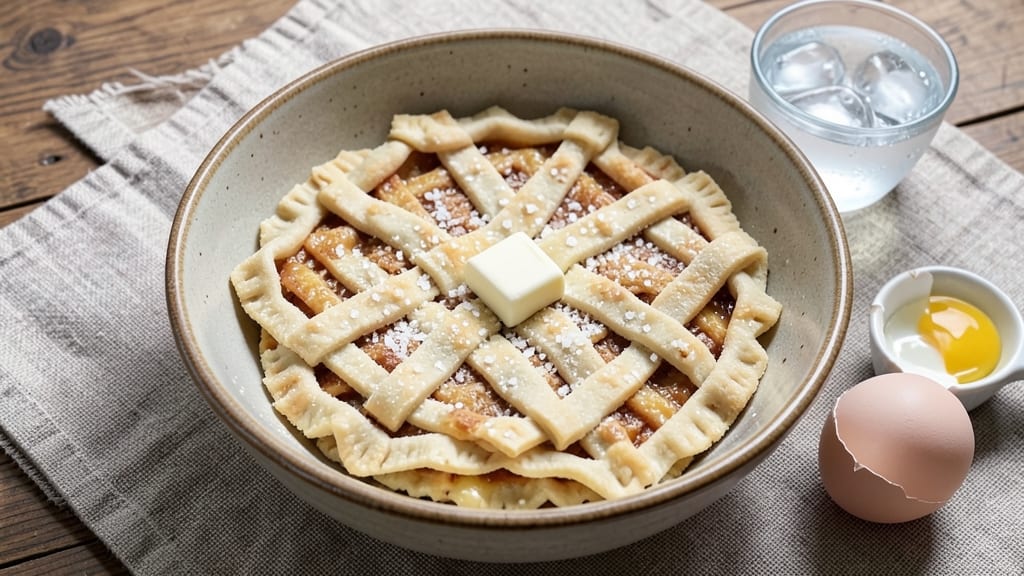
Betty Crocker's double pie crust recipe delivers the perfect flaky, shatterproof layers that make every pie worth baking. This cold butter method creates those signature delicate layers while keeping the process simpler than traditional techniques.
I've perfected this adaptation over years of testing, ensuring it stays true to the brand's trusted reputation without requiring advanced skills.
The secret lies in using cold butter cut into flour—never warm or melted—so it creates steam pockets when baked, lifting the crust to crisp, airy perfection. This method also eliminates the need for a food processor, making it accessible for home bakers of all levels.
With just a few simple ingredients and careful handling, you'll achieve restaurant-quality results every time.
What sets this recipe apart is its foolproof assembly technique, where two layers of crust work together to create a sturdy, flavorful base for any filling. The crust bakes to a golden brown, with edges that stay crisp even after filling.
Whether you're making apple, pecan, or pumpkin pie, this double crust ensures your dessert looks and tastes like it came from a bakery.
Ready in about an hour from start to finish, this recipe balances precision with flexibility. The crust holds up beautifully to both sweet and savory fillings, making it versatile for pies, tarts, or even pot pies. Let's get started on creating that perfect pie crust foundation.
Ingredients for betty crocker double pie crust
Cold butter and flour create the signature flaky layers Betty Crocker perfected for foolproof pie crusts.
| Ingredient | Amount | Notes |
|---|---|---|
| All-Purpose Flour 🌾 | 4 cups | Sifted for lighter texture |
| Unsalted Butter 🧈 | 1 cup | Cold, cubed, not softened |
| Ice Water 💧 | ½ cup | Chilled for best results |
| Kosher Salt 🧂 | 1 ½ tsp | Fine grain preferred |
| Granulated Sugar 🍚 | 1 tbsp | For subtle sweetness |
| Large Eggs 🥚 | 1 whole | Room temperature for binding |
| White Vinegar 🍶 | 1 tsp | For tenderization |
| Cornstarch 🌾 | 1 tbsp | Optional for extra crispness |
| Coarse Sugar 🍚 | 2 tbsp | For sprinkling on top |
| Coarse Salt 🧂 | 1 tbsp | For finishing edges |
| Heavy Cream 🥛 | ¼ cup | For egg wash alternative |
The butter is non-negotiable—European-style unsalted butter like Plugrá or Land O'Lakes works best. Buy it in 1-pound blocks from the dairy case, not tubs. Cut it into 1/2-inch cubes and freeze for 15 minutes before mixing to keep it cold. Flour matters too: King Arthur or Gold Medal brands have higher protein for better structure. Sift it first to avoid dense crust. The ice water is your secret weapon—use a measuring cup with ice to get the exact 1/2 cup without melting the butter.
No cold butter? Freeze the butter cubes for 15 minutes before starting. Short on vinegar? Lemon juice works 1:1, but vinegar’s acidity keeps the crust tender. Substituting cornstarch? Skip it—flour alone works fine. For a shortcut, use refrigerated pie crust dough (like Pillsbury) and layer it with your homemade crust for a hybrid approach. The coarse sugar and salt? Trader Joe’s or Williams Sonoma carry great pre-mixed versions, but regular coarse sugar and kosher salt work just as well.
This crust keeps 3 days wrapped in the fridge or 3 months frozen between parchment paper. For best results, assemble and chill the crust at least 1 hour before baking. Pre-baked crusts freeze beautifully—just thaw overnight before adding filling. The egg wash (or heavy cream wash) is optional but adds that golden finish. Brush it on just before baking to prevent sogginess.
Why You'll Love This Recipe
- No Fuss, No Fail: I swear by this crust because it’s the one that actually works—no overworking the dough, no guesswork. Just cold butter cut into flour with ice water until it barely holds together, then roll it out like you’re folding a fitted sheet. Honestly, my first attempt looked like a lumpy pancake, but it still baked up golden and crisp.
- Butter Love: That unsalted butter in this crust? It’s the star. The flaky layers melt in your mouth while the edges stay shatteringly crisp—no greasy mess, just pure satisfaction. I’ll be real: I’ve tried cheaper shortcuts, but nothing beats the rich, golden depth of this classic combo.
- Pie Pan to Party: This crust isn’t just for pumpkin. I’ve used it for pot pies (freezer-friendly!), quiches (brunch hero), and even a savory galette with leftover chicken. The best part? It doubles easily, so I make two crusts and stash one for when my kid’s soccer team “accidentally” eats all the snacks.
- Pantry Staple Magic: Four ingredients, all of which I already have. No weird substitutes or last-minute grocery runs—just flour, butter, salt, and sugar. It’s my go-to when I’m low on time or cash, and somehow, it always feels special. (Yes, even on a Tuesday night.)
Step-by-step instructions for Betty Crocker's double pie crust recipe
Here's how to create two perfect pie crusts using cold butter for a flaky, shatterproof finish.
Combine Dry Ingredients for the First Crust
In a large mixing bowl, whisk together the 4 cups all-purpose flour, 1 tbsp granulated sugar, 1 tbsp cornstarch, 1.5 tsp kosher salt, and 1 tbsp coarse salt. Sifting the flour first ensures a lighter texture and prevents lumps in the final crust. I always use a whisk for this step to evenly distribute the dry ingredients throughout the flour.
Set aside half of this mixture—you'll need 2 cups for the first crust and save the remaining 2 cups for the second crust. This division guarantees identical flavor and texture in both layers. Keep both portions in separate bowls to avoid cross-contamination.
Cut in Cold Butter for Maximum Flakiness
Add the 1 cup unsalted butter, cut into ½-inch cubes, to the first 2 cups of dry ingredients. Using a pastry cutter or two forks, work the butter into the flour mixture until the pieces are pea-sized. The butter must remain cold throughout this process—if it starts to soften, chill the bowl in the refrigerator for 10 minutes before continuing.
This cold butter method creates steam pockets when baked, resulting in those signature flaky layers. Press the mixture together lightly—it should hold when squeezed but still feel slightly crumbly. If it forms a solid dough ball, add 1 tablespoon of ice water at a time until it reaches the proper consistency.
Add Wet Ingredients and Form the Dough
Pour in the 0.5 cup ice water and 1 tsp white vinegar into the bowl with the butter-flour mixture. Using a fork, gently stir until the dough just comes together. Avoid overmixing—just combine until the mixture holds when pressed. If the dough feels too dry, add 1 teaspoon of ice water at a time until it reaches a smooth, cohesive texture.
Turn the dough out onto a lightly floured surface and divide it into two equal portions. Shape each portion into a disk, wrap in plastic wrap, and refrigerate for at least 1 hour (or up to 2 days). This chilling step is crucial—it relaxes the gluten and prevents shrinking during baking.
Roll and Assemble the Crusts
On a lightly floured surface, roll out the first chilled dough disk into a 12-inch circle, about ⅛-inch thick. Transfer it to a 9-inch pie dish, gently pressing it into the bottom and up the sides. Trim any excess dough hanging over the edge. Repeat this process with the second dough disk, keeping it refrigerated until needed.
For a classic double-crust pie, place the second dough disk directly over the first, trimming to fit the pie dish. Crimp the edges using your fingers or a fork to create a decorative border. Cut a few slits in the top crust to allow steam to escape during baking. This prevents a soggy bottom crust.
Blind-Bake for Perfect Texture
Preheat your oven to 375°F. Line the bottom crust with parchment paper, fill it with pie weights or dried beans, and bake for 15 minutes. Remove the weights and bake for an additional 5-7 minutes until the edges are light golden brown. Brush the baked bottom crust with a mixture of 1 whole large egg beaten with 0.25 cup heavy cream for a golden finish.
Place the top crust over the bottom, sprinkle with 2 tbsp coarse sugar, and bake for 25-30 minutes until the crust is deep golden brown and fully baked. The crust should be crisp and shatterproof, not greasy or soggy. Let the pie cool completely before filling to prevent a soggy bottom.
Pro Tips For Making Betty Crocker Double Pie Crust
- Cut Butter Cold: Take the butter straight from the fridge—no thawing, no softening—especially if your kitchen’s warm. I used to let it sit out "just for a minute" and ended up with a greasy, tough crust instead of flaky layers. Cold butter = crispy, tender results every time.
- Pulse, Don’t Overwork: When mixing the dough, pulse the food processor just until the mixture clumps—about 6-8 seconds. Overmixing develops gluten and turns your crust into a chewy disaster. Stop when the dough looks shaggy, not smooth.
- Skip the Warm Water: Ice water is non-negotiable here. Warm water = melted butter = dense, soggy crust. Keep your water in the freezer for 10 minutes before measuring, or use ice cubes to chill it mid-mix. Your crust will thank you.
- Pre-Chill the Dough: Wrap the dough tightly in plastic and refrigerate for at least 1 hour before rolling. I know, you’re eager to bake—but skipping this step makes the crust shrink during baking. Cold dough = even, crisp edges. (Yes, even if you’re impatient like me.)
Regional styles of this dish
Classic Southern Style
In the South, double pie crusts are often enriched with a touch of shortening (like Crisco) mixed with butter for extra flakiness and a slightly richer flavor.
I like using ½ cup butter and ½ cup shortening for this variation—it creates a tender, melt-in-your-mouth texture perfect for pecan or sweet potato pies. The Southern tradition also calls for a heavy egg wash (beaten egg + 2 tbsp heavy cream) brushed on both crusts before baking.
This gives that iconic golden, almost caramelized finish. 🍯
New England Crisp
Up north, pie crusts lean into rustic charm with a higher fat content—sometimes even adding 1 tbsp brown sugar to the dough for depth. I’ve found that European-style butter (like Plugrá) works best here, as its higher fat content (82%) creates those signature flaky layers.
New England bakers often use coarse sea salt (like Maldon) instead of kosher salt for a more pronounced flavor. The crust is typically baked until it’s deep golden brown, almost to the point of being slightly crispy. This style shines in blueberry or apple pies.
Midwest Homestyle
The Midwest takes a simpler, heartier approach—often using lard (like Leaf Lard) in place of some butter for a more tender, slightly chewy texture.
I’ve experimented with ½ cup butter and ¼ cup lard for a balanced result that still holds up to thick fillings like cherry or rhubarb. Midwest crusts are also known for their thicker edges, achieved by pinching the dough firmly and baking it until it’s almost puffy.
A sprinkle of granulated sugar on the top crust before baking adds a subtle sweetness that pairs perfectly with fruit fillings. 🥧
Pacific Northwest Rustic
Out West, bakers embrace whole-grain flours (like King Arthur Whole Wheat) for a nuttier, slightly denser crust that complements berry pies. I blend 3 cups all-purpose flour with 1 cup whole-wheat flour for a lighter texture while still adding depth.
The Pacific Northwest style also incorporates local honey (like Wildflower Honey) into the egg wash for a floral note. The crust is baked until it’s lightly toasted, almost like a shortbread cookie, which balances the tartness of huckleberry or blackberry fillings.
Texas-Style Flaky
Texas takes flakiness to the next level by using more butter—sometimes up to 1 ¼ cups—for an ultra-shatterproof crust. I recommend European-style butter (like Kerrygold) for its high fat content. Texas bakers also love adding 1 tsp baking powder to the dough for extra lift.
The crust is baked until it’s almost crisp, then brushed with melted butter after baking for a buttery finish. This style is perfect for pecan or peach pies, where the crust needs to stand up to rich fillings. 🌶️
Modern Fusion Twist
For a contemporary take, I’ve experimented with almond flour (replacing ½ cup of the all-purpose flour) for a gluten-free option that still delivers flaky layers. The key is using extra-fine almond flour (like Bob’s Red Mill) and adding 1 extra tbsp of ice water to bind the dough.
This fusion style works beautifully with citrus or chocolate fillings and pairs well with a dark chocolate glaze drizzled over the top crust. It’s a great way to modernize a classic while keeping the integrity of the double crust intact.
Nutrition facts
Frequently asked questions
Why does this recipe use cold butter instead of softened butter?
The cold butter creates steam pockets when baked, resulting in those signature flaky layers. If you use softened butter, the steam won't form properly, and your crust will turn out greasy rather than crisp and shatterproof. Always keep the butter cold throughout the process—even if it starts to soften, chill the mixture for 10 minutes before continuing.
Can I make this double crust ahead of time?
The assembled crust keeps for 3 days in the fridge wrapped tightly in plastic. For longer storage, freeze the crust (unbaked) between parchment paper for up to 3 months. Thaw overnight in the refrigerator before baking. Pre-baked crusts also freeze well—just thaw completely before adding your filling to avoid a soggy bottom.
What if my dough feels too dry or crumbly?
Add 1 teaspoon of ice water at a time until the dough just holds together when pressed. Overworking the dough can also make it tough, so handle it gently. If the dough cracks when rolling, let it rest for 10 minutes before continuing. For extra insurance, chill the dough for 15 minutes before rolling out to prevent shrinking.
Is it necessary to blind-bake the bottom crust?
Blind-baking prevents a soggy bottom crust, especially for fillings with high moisture like fruit pies. If your filling is thick (like pumpkin or custard), you can skip it—but for juicy fillings, always blind-bake for 15 minutes with pie weights. Brush the baked bottom crust with egg wash for extra crispness before adding the top layer.
Can I substitute shortening for butter in this recipe?
While shortening can make the crust more tender, it lacks the flavor and richness of butter. For a hybrid approach, use ½ cup butter and ½ cup shortening—this works well for Southern-style pies. If you must use all shortening, reduce the water by 1 tablespoon since shortening doesn’t require as much moisture to bind.