
Desserts
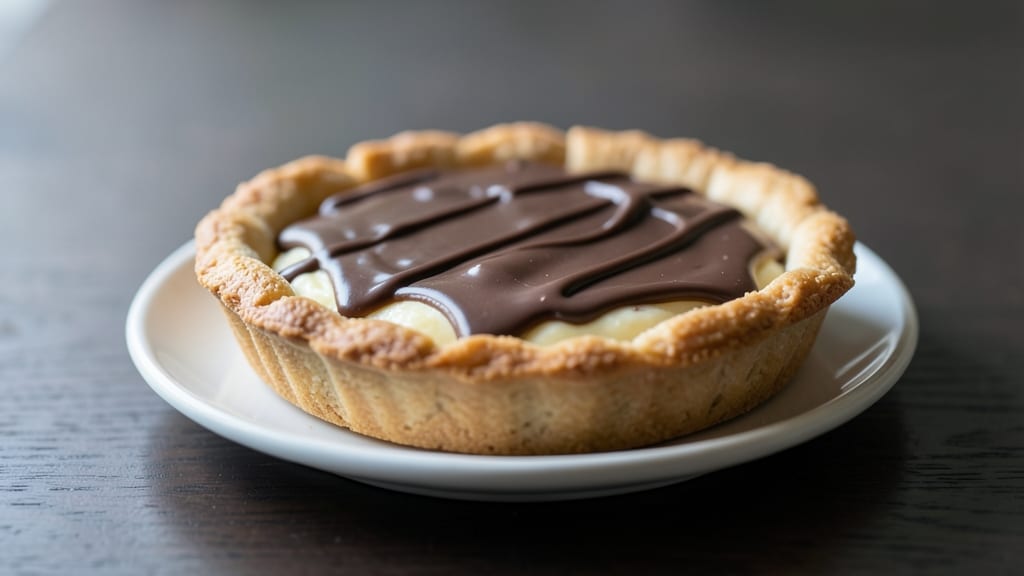
America's Test Kitchen's Boston cream pie delivers restaurant-quality layers of vanilla custard, pistachio glaze, and perfectly crisp pastry crust—every bite is a balance of creamy, nutty, and flaky. This recipe reveals their foolproof techniques for silky custard that never curdles and a pastry shell with just the right golden-brown finish.
I've baked countless pies, and these methods ensure professional results without shortcuts that compromise texture.
The key to success lies in precision: tempering eggs for the custard to prevent scrambling, baking the pastry shell until it's sturdy enough to hold the filling, and assembling everything while the custard is still warm for seamless layers.
America's Test Kitchen's approach transforms this classic dessert from a risky baking challenge into a reliable showstopper. Each step builds on the last to create that signature New England treat.
What you'll achieve is a pie with a crisp yet tender crust, velvety vanilla custard that holds its shape, and a glossy pistachio glaze that cracks beautifully when sliced. The flavor profile is rich yet balanced—vanilla's warmth, pistachio's nuttiness, and the buttery pastry create harmony in every forkful.
This is the pie that wins dessert competitions and impresses even the most discerning guests.
Perfect for holidays, special occasions, or when you want to recreate a classic from scratch. The techniques here ensure your pie will stand out—no soggy bottoms or grainy fillings. Let's get baking with confidence.
Ingredients for boston cream pie america's test kitchen
Classic layers of buttery crust, velvety custard, and nutty pistachio glaze—here's what you need for a foolproof pie.
| Ingredient | Amount | Notes |
|---|---|---|
| All-Purpose Flour 🌾 | 3 ½ cups | Sifted for light texture |
| Unsalted Butter 🧈 | 1 cup | Cold, cubed for pastry |
| Granulated Sugar 🍚 | ¼ cup | Plus 2 tbsp for sprinkling |
| Large Eggs 🥚 | 1 whole | Cold, for pastry dough |
| Vanilla Extract 🌸 | 1 tsp | Pure, high-quality extract |
| Salt 🧂 | ½ tsp | Fine sea salt preferred |
| Heavy Cream 🥛 | 2 cups | Cold, full-fat preferred |
| Whole Milk 🥛 | ½ cup | Room temperature |
| Large Egg Yolks 🥚 | 4 whole | Cold, for custard |
| Granulated Sugar 🍚 | ¾ cup | For custard, plus extra |
| Vanilla Bean Paste 🌸 | 1 tbsp | Or 1 tsp pure extract |
| Pistachios 🥜 | 1 ½ cups | Shelled, unsalted, toasted |
| Powdered Sugar 🍚 | 1 ½ cups | For glaze, sifted |
| Unsalted Butter 🧈 | ¼ cup | Cold, for glaze |
| Orange Zest 🍊 | 1 tsp | Fresh, for glaze |
The crust starts with King Arthur or Gold Medal flour—both yield that perfect flaky texture. European-style butter like Plugrá or Land O'Lakes makes all the difference (the good stuff, not the pre-packaged tub). For the vanilla custard, Bob's Red Mill vanilla bean paste adds depth over regular extract. Toast your pistachios in a dry pan until fragrant—Trader Joe's or Costco sell them pre-shelled, but unsalted is key. The glaze needs powdered sugar with no lumps, so sift it twice. And don't skip the orange zest—it brightens the whole pie.
No vanilla bean paste? Double the extract, but you'll miss the specks. Substitute pistachios with pecans or walnuts (toast them too), but the flavor won't be identical. For the custard, if you're short on yolks, use 4 whole eggs and reduce milk to 1/2 cup—but texture might suffer. The crust can handle a mix of all-purpose and cake flour (1:1 ratio) for extra tenderness. And if you're baking in a high-altitude area, reduce the sugar by 2 tbsp to prevent browning.
Pastry dough keeps 2 days wrapped in plastic, but make it fresh for best results. The custard must be used immediately—it thickens fast. For the glaze, mix it just before assembling so it stays glossy. Store the whole pie in the fridge for up to 4 days, but bring it to room temp before serving. The crust reheats beautifully—just 10 minutes at 350°F if you want it crisp again.
Why You'll Love This Recipe
- No-Fail Layers: I’ve made this pie at least eight times, and the crust always turns out tender—not tough or greasy. That’s thanks to the ATK trick of chilling the dough and the butter, which means zero stress over a crumbly mess.
- Vanilla Buttercream Magic: The custard is rich but not heavy, and that vanilla buttercream? It’s the kind of sweetness that makes you pause mid-bite. Honestly, the first time I tasted it, I texted my mom: "This is the good stuff."
- Weeknight Dinner Guest: Between us, this isn’t just dessert—it’s a showstopper for lazy nights. Serve it warm with vanilla ice cream, and suddenly your "I ordered pizza" night feels like a fancy gathering. (Yes, even on a Tuesday.)
- Leftovers? Better Than Fresh: The custard actually improves after a day in the fridge—thicker, more flavorful. I’ll often bake two, freeze one, and pull it out for a no-bake dessert month later. Zero waste, all win.
Step-by-step instructions for vanilla-pistachio layers with perfect crust
Here's how to build each layer—crust, custard, and filling—with precision for that signature America's Test Kitchen result.
Craft the Crust with Cold Butter and Flour
In a large bowl, combine the 3.5 cups all-purpose flour and 0.5 teaspoon salt. Cut in the 1 cup cold, cubed unsalted butter using a pastry cutter or your fingers until the mixture resembles coarse crumbs with pea-sized butter pieces. This ensures maximum flakiness in the final crust.
Add the 0.25 cup granulated sugar and 1 teaspoon vanilla extract. Mix just until combined, then gradually add the 1 whole cold large egg, mixing only until the dough holds together. Avoid overworking—this makes the crust tough. Press the dough into a 9-inch pie dish, crimp the edges, and prick the bottom with a fork.
Bake the Crust Until Golden and Set
Preheat your oven to 375°F. Line the crust with parchment paper, fill it with pie weights or dried beans, and bake for 15 minutes. Remove the weights and bake for another 10-12 minutes until the crust is golden brown and completely set. This pre-baking step prevents a soggy bottom when adding the custard later.
Brush the hot crust with a thin layer of egg wash (1 egg yolk beaten with 1 tablespoon water) for extra shine. Sprinkle with 2 tablespoons granulated sugar for a touch of sweetness. Let cool completely before filling—this prevents the custard from breaking when added to a warm crust.
Prepare the Vanilla Custard for Silky Texture
In a medium saucepan, whisk together the 2 cups heavy cream, 0.5 cup whole milk, 0.75 cup granulated sugar, 4 whole cold large egg yolks, 1 tablespoon vanilla bean paste, and a pinch of salt. Heat the mixture over medium-low heat, stirring constantly with a wooden spoon or silicone spatula.
Cook until the custard thickens enough to coat the back of the spoon (170-175°F internal temperature). This takes about 8-10 minutes—don't walk away, as it can curdle quickly. Immediately pour the custard through a fine-mesh sieve into a bowl to remove any cooked egg bits that might make the filling grainy.
Assemble and Chill the Pie Layers
Pour the custard into the cooled crust, spreading it evenly. Let it cool to room temperature, then refrigerate for at least 4 hours or overnight. This chilling step is crucial—it allows the custard to set properly and develop its signature creamy texture without being watery.
While the custard sets, toast the 1.5 cups pistachios in a dry skillet over medium heat for 3-4 minutes until fragrant. Pulse them in a food processor until finely chopped but not powdered. Set aside for the final layer.
Finish with Orange-Pistachio Glaze and Garnish
In a small bowl, whisk together the 1.5 cups powdered sugar, 0.25 cup cold unsalted butter, 1 teaspoon orange zest, and 1-2 tablespoons heavy cream until smooth. Drizzle this glaze evenly over the chilled custard layer. Immediately sprinkle the toasted pistachios over the glaze before it sets.
Return the pie to the refrigerator for at least 2 hours before serving. The glaze will firm up slightly, creating that perfect balance of creamy custard, nutty pistachio crunch, and bright citrus finish. Cut into wedges and serve with a dusting of extra pistachios for that classic Boston Cream Pie presentation.
Pro Tips For Making Boston Cream Pie America'S Test Kitchen
- Chill the Pastry: After assembling the pie, pop it in the fridge for at least 2 hours before baking—no, skipping this won’t ruin it, but the crust will be far less likely to puff up like a sad soufflé. I learned this the hard way when my first attempt turned into a greasy, uneven mess.
- Whisk Eggs Like Mad: Beat those custard eggs until they’re thick, glossy, and triple in volume—no streaks, no lumps. Use a whisk, not a fork, and scrape the bowl every 30 seconds. I used to eyeball it, and the filling always ended up grainy or watery.
- Avoid Overmixing the Crust: Cut the butter into the flour just until it resembles coarse crumbs—no need to overwork it into a dough. Overmixing develops gluten, and that’s how you end up with a tough, chewy crust instead of the tender, flaky one you want.
- Use Room-Temp Butter: Take the butter out of the fridge 30 minutes before mixing it into the flour—cold butter means more handling, which means more gluten development. Warm butter blends in smoother and guarantees a lighter crust every time.
Wine and beer pairings for boston cream pie america's test kitchen
Wine Pairings
Boston cream pie's rich custard and buttery crust call for wines with enough acidity and body to cut through the sweetness. I reach for a dry Riesling from Germany—its crisp citrus notes and honeyed undertones complement the vanilla and pistachio beautifully.
Look for a Kabinett or Spätlese like Dr. Loosen Blue Slate—it balances the dessert's sweetness without overwhelming it. 🍷
A Champagne or sparkling wine like Veuve Clicquot Brut adds elegance and refreshes the palate between bites. The bubbles cleanse your taste buds, making each forkful taste even more luxurious. For a budget-friendly option, Prosecco from Italy works wonderfully too.
Beer Pairings
For beer lovers, a Belgian-style witbier is my top recommendation. The Hoegaarden or Stella Artois with its coriander and orange peel notes mirrors the pie's citrus glaze and vanilla flavors. The slight tartness and effervescence provide perfect contrast to the custard's richness. 🍺
If you prefer darker beers, a Belgian Dubbel like Westmalle Dubbel offers malty depth that stands up to the pie's complexity. The caramel and spice notes in the beer enhance the vanilla and pistachio layers without competing with them.
Coffee Pairings
Since Boston cream pie is traditionally served with coffee, I recommend a medium-roast dark coffee like Peet's Major Dickason's Blend. Its chocolatey notes and balanced acidity complement the pie's vanilla and nutty flavors. Serve it black or with a splash of cream to let the coffee's natural flavors shine.
For an espresso martini twist, mix 2 oz vodka, 1 oz coffee liqueur, and ½ oz orange liqueur with ice. Shake and strain into a chilled glass—this sophisticated drink elevates the pie's flavors while keeping the dessert experience cohesive. ☕
Non-Alcoholic Options
For a refreshing non-alcoholic pairing, try sparkling apple cider like Martinelli's. Its crisp acidity and subtle sweetness mirror the pie's citrus glaze. Serve it chilled in a coupe glass for an elegant touch.
A vanilla chai latte made with Starbucks chai concentrate and steamed milk provides warmth that contrasts beautifully with the pie's creamy texture. The cinnamon and cardamom notes in the chai enhance the vanilla flavors in the custard. 💫
Nutrition facts
Frequently asked questions
Why does America's Test Kitchen recommend tempering the custard eggs?
Tempering the egg yolks prevents them from scrambling when heated. Start by whisking yolks with a little warm cream first, then gradually adding the rest. This slow introduction to heat keeps the custard silky smooth rather than grainy. The recipe's 170-175°F temperature check ensures perfect consistency without overcooking.
Can I make the pastry crust ahead of time?
Yes, the crust can be prepared up to 2 days in advance. Wrap it tightly in plastic and refrigerate. Bake it just before adding the custard to maintain its crispness. For best results, chill the assembled pie overnight—this helps the custard set properly and prevents a soggy bottom.
What's the secret to a crackly pistachio glaze?
The glaze needs to be applied when the custard is fully chilled and the pie is at room temperature. Use a spoon or squeeze bottle to drizzle evenly, then immediately sprinkle with toasted pistachios. The contrast between the warm custard and cold glaze creates those signature cracks when sliced.
Can I substitute vanilla bean paste with extract?
You can, but the flavor won't be identical. Use double the amount of pure extract (2 tsp instead of 1 tbsp). The bean paste adds subtle flecks and depth that extract can't replicate. For best results, toast a vanilla bean briefly and scrape the seeds into the custard as an alternative.
How do I fix a custard that's too thin or too thick?
If too thin, whisk in 1 tsp cornstarch mixed with cold water, then reheat gently. If too thick, whisk in 1 tbsp warm cream or milk until smooth. Always strain the custard through a fine-mesh sieve to remove any cooked egg bits that could make it grainy.