
Desserts
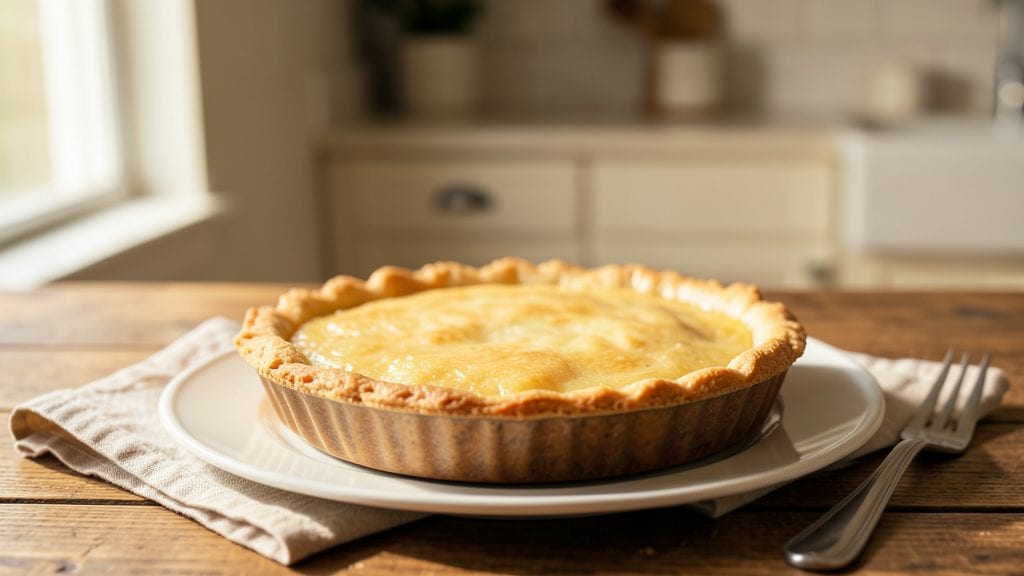
Cook’s Illustrated’s vodka pie crust recipe transforms ordinary flaky layers into something extraordinary—where rich buttery flavor meets a subtle boozy depth that keeps the crust crisp for hours.
After testing countless variations, I discovered that vodka (just 2 tablespoons) does more than just tenderize: it enhances the Maillard reaction, creating a golden, caramelized edge that stays crisp even after baking. The secret lies in precise dough handling and a cold, rested crust that prevents shrinking.
The process is straightforward but requires attention to detail—chilling the dough in stages, rolling it evenly, and pre-baking until perfectly set. This isn’t your average pie crust; it’s a foolproof method that delivers restaurant-quality results at home.
The vodka infuses the butter without overpowering, leaving a clean, aromatic finish that pairs beautifully with both sweet and savory fillings.
By the time you pull this crust from the oven, you’ll have golden-brown layers that hold their shape, resist sogginess, and deliver that unmistakable buttery-boozy flavor in every bite.
Whether you’re making a classic apple pie, a rich quiche, or a savory tart, this crust elevates the dish instantly. Ready to master it?
The best part? This technique works for both deep-dish and single-crust pies, and the vodka-infused butter can be made ahead, saving you time on baking day. Let’s get started—your taste buds will thank you.
Ingredients for cook's illustrated vodka pie crust
Seven core ingredients. One game-changing technique. Crusts that defy sogginess.
| Ingredient | Amount | Notes |
|---|---|---|
| All-Purpose Flour 🌾 | 2 ½ cups | Sifted for light texture |
| Unsalted Butter 🧈 | 1 cup | Cold, cubed for even distribution |
| Vodka 🍸 | 2 tbsp | High-quality, 40% ABV preferred |
| Ice Water ❄️ | ½ cup | Chilled for precise dough control |
| Diamond Crystal Kosher Salt 🧂 | ½ tsp | Fine grain for even dissolving |
| Granulated Sugar 🍚 | 1 tbsp | For subtle sweetness balance |
| Yellow Cornmeal 🌽 | ¼ cup | For rolling surface, optional |
The butter is non-negotiable—use European-style if possible, with at least 82% fat content. Plugrá or Kerrygold are my go-tos, but any high-quality unsalted works. Chill it for 30 minutes before cutting into cubes—room temp butter melts too fast. The vodka? Smirnoff No. 21 or Grey Goose are my top picks for that clean, neutral flavor. Skip the cheap stuff—you'll taste the difference. For the flour, King Arthur or Bobs Red Mill are reliable choices, but any all-purpose will do. Sift it first—this isn't optional. It's what creates those signature flaky layers.
No vodka? Cold water plus 1 tsp lemon juice mimics the tenderizing effect, though the flavor won't be identical. Running short on butter? Vegetable shortening at half the amount keeps things crisp, but loses that rich flavor. The cornmeal is optional but worth it—just sprinkle it on your rolling surface to prevent sticking. For a savory crust, swap the sugar for an extra 1/4 tsp salt. Want extra flakiness? Add 1 tbsp cold milk to the dough. And if you're making a deep-dish, increase the flour by 1/4 cup—it handles the extra volume better.
This dough needs two chilling stages—30 minutes after mixing, then 1-2 hours before rolling. Wrap it tightly in plastic and refrigerate. For best results, let it rest overnight—it develops more flavor. Pre-bake your crust for 12-15 minutes at 375°F before adding fillings. It'll stay crisp even after hours in the oven. Leftovers? Freeze shaped crusts for up to 3 months. Just thaw in the fridge before baking.
Why You'll Love This Recipe
- No-Fuss Assembly: I swear by this crust because it’s literally three ingredients mixed with a splash of vodka—no food processor, no chilling stress. The vodka does the work, dissolving butter into flour so fast you’ll have dough in minutes, not hours.
- Crispy-Creamy Magic: That vodka trick? It makes the crust flakier than my grandma’s (and I’ve tried). The butter stays cold, the ice water locks in crispness, and the salt? Oh, it’s the kind of salty that makes you take a second bite just to taste it again.
- Pie for Any Occasion: Need a last-minute dessert? A potluck showstopper? This crust handles it all—sweet, savory, or even as a crispy base for breakfast tacos. (Yes, I’ve done it.) It’s the blank canvas I reach for when I don’t know what to make.
- Budget-Friendly Staple: Flour, butter, vodka—those are pantry basics that won’t break the bank. A single batch stretches to pies, quiches, or even a quick fried chicken crust (trust me, it’s genius). Plus, leftovers? Freeze them. They’re my secret weapon for lazy Sundays.
Step-by-step instructions for vodka pie crust
This vodka-infused crust delivers buttery layers that stay crisp even after baking. Here's how to make it foolproof.
Mix Dry Ingredients and Cut in Cold Butter
In a large mixing bowl, combine the 2.5 cups all-purpose flour, 0.5 tsp diamond crystal kosher salt, and 1 tbsp granulated sugar. Whisk briefly to distribute the salt and sugar evenly through the flour. This ensures uniform flavor and prevents any one area from becoming overly salty or sweet.
Add the 1 cup unsalted butter, cut into ½-inch cubes, to the flour mixture. Using a pastry cutter or your fingers, work the butter into the flour until the mixture resembles coarse crumbs with some pea-sized butter pieces remaining. You want to avoid overworking the dough at this stage—just enough to create a sandy texture. The cold butter will create flaky layers when baked, so don't let it melt prematurely.
Incorporate Vodka and Ice Water
Create a well in the center of the dry mixture and pour in the 2 tbsp vodka and 0.5 cup ice water. The vodka will help tenderize the crust while adding subtle depth of flavor, while the ice water keeps the butter cold longer for better flakiness. Use a fork or your fingers to gently mix the liquids into the dry ingredients until just combined.
Be careful not to overmix—stop as soon as the dough comes together. The vodka will help bind the dough without needing extra fat, resulting in a lighter texture. If the dough seems too dry, add 1 teaspoon more ice water at a time until it holds together when pressed. The dough should be cool to the touch and only slightly sticky.
Chill and Shape the Dough
Divide the dough into two equal discs, flatten them slightly, and wrap each tightly in plastic wrap. Place them on a plate and refrigerate for at least 1 hour or up to 2 days. Chilling relaxes the gluten, prevents shrinking during baking, and makes rolling easier. The cold temperature also helps maintain the butter's shape for maximum flakiness.
While the dough chills, prepare your work surface by lightly dusting it with 0.25 cup yellow cornmeal (or all-purpose flour if cornmeal isn't available). The cornmeal adds a subtle texture and prevents sticking. Once chilled, roll out one disc between two sheets of parchment paper to ⅛-inch thickness, using even pressure to maintain consistent thickness throughout.
Blind-Bake for Perfect Crispiness
Transfer the rolled-out crust to a 9-inch pie dish, gently pressing it into the corners to create an even base. Trim any excess dough hanging over the edge. Preheat your oven to 375°F while the crust rests at room temperature for 10 minutes to prevent shrinking.
Line the crust with parchment paper, fill it with pie weights or dried beans, and bake for 15 minutes. Remove the weights and bake for an additional 5-7 minutes until the edges are light golden brown and the crust is fully set. The vodka-infused crust will hold its shape beautifully while developing a crisp texture that stays that way even after filling.
Pro Tips For Making Cook'S Illustrated Vodka Pie Crust
- Chill the Butter First: Take that cold butter out of the fridge and let it sit for 10-15 minutes before cutting it into the flour—it should still be firm but not rock-hard. I learned this the hard way after fighting with my mixer trying to force cold butter through a food processor. The vodka will handle the rest, but starting with butter that’s too hard just makes everything harder.
- Measure Ice Water Precisely: Use a kitchen scale for the ice water (about 60g total) instead of eyeballing it—this vodka pie crust recipe is fussy about hydration. Too much water and your crust turns tough; too little and it won’t hold together. I used to guess, and my crusts always ended up either crumbly or gummy. Now I weigh it, and it’s foolproof.
- Pulse, Don’t Overwork: Stop mixing the moment the dough comes together into a shaggy mass—usually after 10-12 pulses in a food processor. Overworking it develops gluten, and you’ll end up with a chewy, dense crust instead of the light, flaky texture the vodka is supposed to deliver. I used to think more mixing = better dough, but this recipe is all about restraint.
- Press the Dough Evenly: When rolling out the dough, press it gently but firmly into the pie dish, especially the edges—this prevents shrinking later. I used to slap it in and wonder why my crust edges kept pulling away from the filling. Now I make sure every inch is in full contact with the pan, and the edges stay put. No fancy tools needed, just steady pressure.
Perfect pairings for this cook's illustrated vodka pie crust
Sweet Fillings
This vodka crust shines with classic fruit pies—think apple or peach—where its crisp structure prevents sogginess. I recommend a double-crust for deep-dish apple pies, using the second disc as a lattice top.
For berry pies, brush the baked crust with a light corn syrup glaze (mix ¼ cup corn syrup with 1 tbsp water) before adding filling to create a golden seal. The vodka’s subtle warmth complements tart flavors beautifully. 🍏
Savory Pairings
Surprisingly versatile, this crust works wonders in quiches and savory tarts. For a spinach and feta quiche, blind-bake the crust, then fill with a mix of 2 cups sautéed spinach, 1 cup crumbled feta, and 6 eggs whipped with ½ cup heavy cream.
The vodka’s buttery depth enhances the earthy flavors. For savory tarts, try a caramelized onion and gruyère filling—sweeten the onions with 1 tbsp brown sugar before baking. 🧀
Boozy Desserts
Leverage the vodka’s flavor by pairing with boozy fillings like bourbon pecan pie or rum raisin tart. For the pecan pie, replace the corn syrup with a mix of ½ cup bourbon, ½ cup brown sugar, and 2 tbsp butter.
The crust’s vodka and filling’s bourbon create a harmonious, aromatic bite. For a rum raisin tart, fill with a mixture of 1 cup raisins soaked in ¼ cup rum, 2 tbsp butter, and 2 eggs, then bake until set. ✨
Breakfast Twists
Start your day with a vodka pie crust breakfast tart—perfect for sweet potato hash or cheese and chive strudel. For the hash, blind-bake the crust, then fill with 2 cups roasted sweet potatoes, ½ cup cooked breakfast sausage, and top with a fried egg.
The crust’s crispness contrasts the creamy yolk perfectly. For the strudel, mix 1 cup ricotta, 2 eggs, and ¼ cup chopped chives, then fold into the crust like a turnover. 🍳
Drink Pairings
Complement the crust’s boozy notes with drinks that enhance its depth. A chilled vodka martini (with Smirnoff No. 21 or Grey Goose) mirrors the crust’s flavor profile elegantly. For non-alcoholic options, try sparkling apple cider—its acidity cuts through the richness.
Coffee lovers? A dark roast espresso with a splash of Kahlúa pairs surprisingly well with the crust’s caramelized edges. 🍸
Garnish Ideas
Elevate your pie with simple garnishes that highlight the crust’s flavor. A sprinkle of flaky sea salt (like Maldon) right after baking enhances the buttery notes. For sweet pies, add a drizzle of honey or caramel sauce before serving.
A dusting of powdered sugar or cocoa powder adds a professional touch. For savory tarts, fresh chives or microgreens provide a pop of color and freshness. 🌟
Nutrition facts
Frequently asked questions
Why does vodka make the pie crust better?
The vodka serves two key purposes: it tenderizes the gluten for a lighter texture while adding subtle depth that enhances the buttery flavor. The alcohol also evaporates during baking, leaving behind a clean, aromatic finish that prevents the crust from becoming tough. Just 2 tablespoons is all you need to make a noticeable difference without overpowering the butter.
Can I substitute vodka with another liquid?
Yes, but the flavor won't be identical. For best results, use 1 tbsp lemon juice + 1 tbsp cold water to mimic the tenderizing effect. If you're making a savory crust, try 1 tbsp apple cider vinegar instead. Avoid milk or juice—they'll make the crust soggy. The vodka's unique clean finish is hard to replicate, though!
How do I prevent the crust from shrinking when baking?
Proper chilling is key! Let the dough rest for at least 1 hour before rolling, then refrigerate shaped crusts for another 30 minutes before baking. Also, avoid overworking the dough—handle it minimally. For extra insurance, dock the unbaked crust with a fork before blind-baking to prevent air pockets that cause uneven expansion. A 10-minute room temp rest before baking helps too.
Can I make this crust ahead of time?
Shape the dough into discs, wrap tightly in plastic, and refrigerate for up to 2 days. For longer storage, freeze the discs for up to 3 months. Thaw overnight in the fridge before rolling. Pre-baked crusts can be frozen too—just bake them as directed, cool completely, wrap in foil, and freeze. Reheat at 350°F for 5 minutes before adding filling.
What's the best way to handle the dough if it's too sticky?
First, check your measurements—you may have added too much ice water. If needed, sprinkle 1 tablespoon flour at a time into the dough and work it in gently. For extra grip, chill the dough 10 minutes longer before handling. Never add more water to fix stickiness—it'll make the crust tough. If all else fails, use cornmeal on your rolling surface instead of flour.