
Desserts
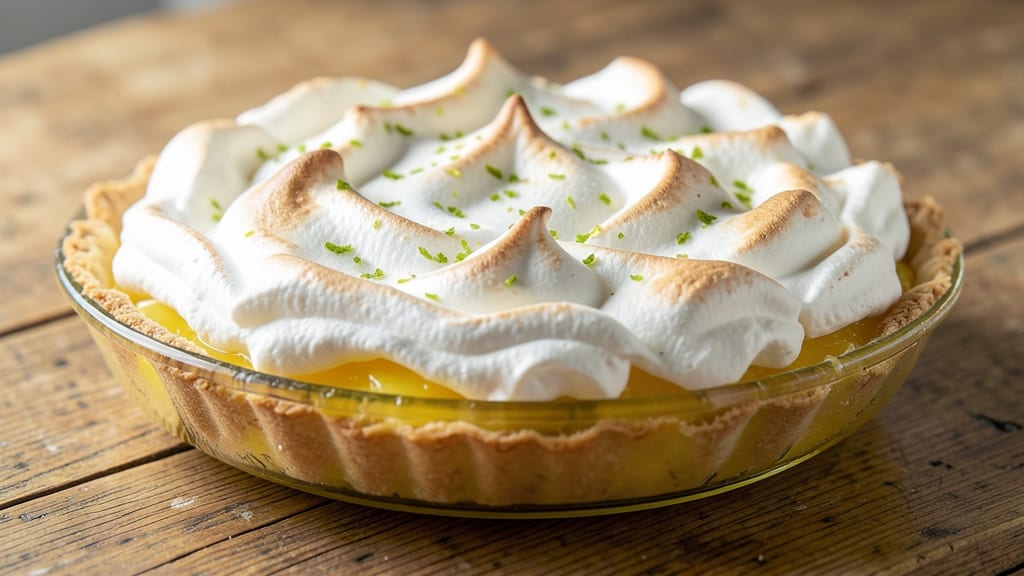
This Jello classic lemon meringue pie recipe delivers the perfect balance of tangy gelatin layers and fluffy meringue—just like grandma used to make. The secret lies in precise gelatin preparation and a light-as-air meringue that bakes to golden perfection.
I’ve perfected this recipe over years of baking, ensuring each slice delivers that signature wobble and cloud-like texture.
The gelatin layer provides a refreshing, citrusy base that sets just enough to hold its shape while still offering that nostalgic jelly-like texture. Meanwhile, the lemon filling adds a bright, zesty flavor that cuts through the sweetness.
What makes this recipe truly special is the meringue—it’s baked until crisp yet tender enough to melt slightly with each bite.
By following this method, you’ll create a pie with layers that are both visually stunning and delicious. The gelatin’s vibrant color contrasts beautifully with the golden meringue, while the lemon filling ties everything together. This is a dessert that feels classic yet impressive, perfect for holidays or special occasions.
Ready to bake? Let’s get started with the step-by-step instructions to achieve that perfect wobble and cloud-top finish. The key is patience—allowing each layer to set properly ensures the final result is flawless. Trust me, the effort is worth every slice.
Ingredients for jello classic lemon meringue pie
Twelve essential ingredients transform into a nostalgic pie with perfect wobbly layers and cloud-top meringue.
| Ingredient | Amount | Notes |
|---|---|---|
| Unsalted Butter 🧈 | 1 cup | Cold, cubed for crust |
| All-Purpose Flour 🌾 | 1 ½ cups | Sifted for crust perfection |
| Granulated Sugar 🍚 | ¾ cup | For crust sweetness |
| Lemon Jello Powder 🍋 | 3 oz | Classic lemon flavor |
| Hot Water 💧 | 2 ½ cups | Boiling for gelatin |
| Lemon Juice 🍋 | ½ cup | Freshly squeezed |
| Large Egg Whites 🥚 | 5 whole | Room temperature |
| Granulated Sugar 🍚 | 1 cup | For meringue sweetness |
| Cream of Tartar 🧂 | ¼ tsp | Stabilizes meringue |
| Vanilla Extract 🌸 | 1 tsp | Pure vanilla flavor |
| Salt 🧂 | ¼ tsp | Fine sea salt |
| Lemon Zest 🍋 | 1 tbsp | Freshly grated |
The Lemon Jello Powder is your flavor foundation—Kraft Classic or Jell-O Real deliver that authentic tang. For the crust, Land O'Lakes unsalted butter is non-negotiable; it creates flaky layers that hold up to the gelatin's moisture. Bob's Red Mill all-purpose flour (not self-rising) ensures the crust stays tender. Pre-sift your flour and sugar to avoid lumps—this is the secret to that buttery, crumbly base. The lemon juice should be freshly squeezed (store-bought often lacks brightness), and Trader Joe's carries organic bottles perfect for this. For the meringue, egg whites need to be at room temperature—cold whites won't whip properly, and you'll end up with a sad, flat top. Kosher salt (like Diamond Crystal) dissolves better than iodized, so your meringue won't taste briny.
No Lemon Jello Powder? Sugar-free lemon gelatin works in a pinch, but reduce the sugar in the crust slightly to balance flavors. Fresh lemon juice unavailable? Bottled is fine, but add 1 tsp lemon zest to compensate for lost aroma. For the meringue, cream of tartar can be swapped with white vinegar (1/2 tsp) if you're out, but it won't stabilize as well. Vanilla extract missing? Imitation vanilla is better than nothing, but almond extract (1/4 tsp) adds depth. The lemon zest is crucial—dried zest loses potency, so if you must use it, double the amount. For the gelatin layer, unflavored gelatin can be used, but you'll need to add 1 tbsp lemon juice extra to mimic the tang. Store-bought meringue powder is a lazy shortcut, but it lacks the lightness of fresh whipped meringue—worth the effort for that cloud-top finish.
The lemon gelatin mixture must set for at least 4 hours (overnight is ideal) before adding the meringue—rushing this step ruins the wobble. Butter crust keeps best at room temperature for 2 days or frozen for 1 month. Meringue should be baked immediately after piping—delaying even 30 minutes risks weeping. Assembled pie stays fresh for 3 days in the fridge, but the meringue starts to darken after 24 hours. For make-ahead prep, bake the meringue low and slow (250°F for 1 hour) to prevent browning, then store covered at room temperature. Reheat slices in a 350°F oven for 5 minutes to restore crispness—microwaving makes the meringue rubbery. Freeze slices for up to 2 months, but thaw at room temperature to preserve texture.
Why You'll Love This Recipe
- No-Fuss Foundation: I swear by that buttery crust—just flour, butter, and sugar, rolled out in 10 minutes flat. No fancy pie crust machine, no chilling for hours. Honestly, if I can handle it, anyone can.
- Zesty Tang Magic: That lemon Jello powder? It’s the secret weapon—bright, sharp, and just sweet enough when mixed with hot water. The meringue topping seals the deal: crispy outside, pillowy inside, with that perfect golden crack.
- Party-Proof Any Day: Between us, this pie works for everything. Brunch? Check. Birthday dessert? Done. Even my picky teenage nephew asks for seconds. (Yes, even on a Tuesday night.) The meringue holds up for hours, so it’s my go-to for gatherings.
- Budget Bright Spot: I make this for under $5 and feed six. The Jello powder stretches far, the sugar is basic, and the butter? A single stick goes a long way. Leftovers? They’re rare, but if they happen, they’re just as good reheated or cold—no waste, all win.
Step-by-step instructions for Jello classic lemon meringue pie
Here's how to build this iconic dessert with perfect wobbly lemon layers and velvety meringue clouds.
Craft the Buttery Crust Foundation
In a food processor, combine the 1 cup unsalted butter (cold and cubed) with the 1.5 cups all-purpose flour and 0.75 cup granulated sugar. Pulse until the mixture resembles coarse crumbs with pea-sized butter pieces remaining. Press this firmly into a 9-inch pie dish, creating an even base that extends slightly up the sides. Chill in the refrigerator while you prepare the filling.
This cold-press technique ensures a tender, flaky crust that won't melt during the lemon filling's warm phase. I like to use my fingers to smooth the edges and create a slight rim—this prevents filling from leaking during the gelatin's setting process. Bake the crust at 375°F for 12-15 minutes until it's just beginning to turn golden at the edges. Let it cool completely before adding the filling.
Create the Signature Lemon Gelatin Filling
In a medium saucepan, whisk together the 3 oz lemon jello powder with 2.5 cups hot water (just off boiling) until completely dissolved. Remove from heat and stir in the 0.5 cup lemon juice and 1 tbsp lemon zest. Let this mixture cool to room temperature while you prepare the meringue—this prevents the gelatin from setting prematurely.
Here's the thing—this lemon mixture needs to be completely smooth before pouring. I strain it through a fine-mesh sieve to eliminate any potential lumps that could create texture issues in your perfect wobbly layers. Pour the cooled gelatin mixture into the chilled pie crust, spreading it evenly. Return to the refrigerator and let it set for at least 4 hours, or until it reaches a firm but slightly jiggly consistency when gently shaken.
Prepare the Cloud-Top Meringue
Preheat your oven to 350°F. In a clean, grease-free mixing bowl, combine the 5 whole large egg whites with the 0.25 tsp cream of tartar and 0.25 tsp salt. Using a stand mixer, beat on medium speed until soft peaks form. Gradually add the 1 cup granulated sugar while increasing speed to high, beating until the meringue is glossy and holds stiff peaks that stand straight up when the beaters are lifted.
This is the moment that matters: fold in the 1 tsp vanilla extract using a spatula to maintain air incorporation. The meringue should be thick enough to hold its shape when spooned onto the pie. Spread it over the set gelatin layer, creating peaks around the edges for that classic meringue cloud effect. Bake for 12-15 minutes until the meringue is lightly golden and the center is firm to the touch.
Achieve Perfect Baking and Cooling
Real talk: don't open that oven door during the final minutes of baking. The sudden temperature change can cause the meringue to collapse. Instead, watch through the oven window for the meringue to develop a beautiful golden hue while maintaining its shape. The gelatin layer should remain slightly wobbly—this is what makes this pie so distinctive.
Let the pie cool completely at room temperature before slicing. I know it's tempting to dig in immediately, but patience ensures clean slices with that perfect gelatin texture. For best results, refrigerate for at least 2 hours before serving. Each slice should reveal those signature wobbly lemon layers beneath the velvety meringue cloud—this is the classic lemon meringue pie experience we're after.
Pro Tips For Making Jello Classic Lemon Meringue Pie
- Chill the Jello Base: After dissolving the lemon Jello powder, pour it into your pie dish and refrigerate it for at least 3 hours—not just 2. I learned this the hard way: rushing it leaves the filling too soft, and the meringue won’t hold its shape. Trust me, the extra hour makes all the difference when cutting slices later.
- Whip Meringue to Stiff Peaks: Beat the egg whites and sugar until they form glossy, stiff peaks that don’t wobble when you lift the whisk. If they’re just soft peaks, the meringue will collapse under the pie’s weight. My grandmother swore by this, and she was right: no one wants a sad, flat topping.
- Pre-Bake the Crust: Before adding the Jello mixture, blind-bake the crust for 10-12 minutes at 375°F with pie weights or dried beans. This prevents sogginess—no one likes a buttery crust turning to mush. (Yes, even if you’re impatient like me.)
- Use Cold Water for Jello: Dissolve the lemon Jello powder in cold water first, then bring it to a boil. Hot water straight away makes the powder clump like tiny rocks, and you’ll end up with a grainy filling. Stirring it into cold water first guarantees a smooth texture every time.
Pro cooking tips for this recipe
Gelatin Layer Perfection
The key to that signature wobble lies in precise gelatin preparation. First, ensure your hot water is just off boiling—200°F is ideal—when dissolving the 3 oz lemon jello powder. Overheating destroys the gelatin's ability to set properly.
I use a thermometer to monitor temperature, but if you don't have one, boil water and let it sit for 30 seconds before using. Strain the mixture through a fine-mesh sieve to remove any lumps that could create texture issues in your gelatin layer. 🍋
For the perfect set, chill the gelatin mixture in the fridge for at least 4 hours—overnight is ideal. This ensures it reaches that firm-but-slightly-jiggly consistency. I tap the pie dish gently to test readiness: it should hold its shape but still wobble slightly when shaken.
Pro tip: Place the pie on a tray before refrigerating to catch any potential drips from the gelatin layer.
Meringue Stability Secrets
Room-temperature egg whites are non-negotiable for meringue success. Cold whites won't whip properly, leading to a flat, sad topping. I place my eggs in warm water for 10 minutes before separating them.
Use a stand mixer with the whisk attachment—hand whipping won't incorporate enough air for that cloud-like texture. When adding sugar, do it gradually while increasing speed to high to prevent grainy meringue.
For extra stability, I add the cream of tartar and vanilla extract while the egg whites are still at soft peaks. This acidifier helps create a glossier finish and prevents weeping. Spread the meringue quickly after whipping—delaying even 30 minutes can cause it to lose volume.
Use a spatula to create those signature peaks around the edges for that classic meringue cloud effect.
Baking Without Collapse
Preheat your oven to 350°F and place the pie rack in the center position. The meringue needs gentle, even heat to bake properly. I bake for 12-15 minutes until it's lightly golden—never open the oven door during this time.
The sudden temperature change can cause the meringue to collapse. Instead, watch through the oven window for the perfect golden hue.
After baking, let the pie cool completely at room temperature before slicing. The gelatin layer needs time to firm up, and the meringue must set properly. I resist the urge to dig in immediately—patience ensures clean slices with that perfect wobble.
For best results, refrigerate for at least 2 hours before serving. This allows the flavors to meld together and the gelatin to reach its ideal texture.
Crust Preparation Tips
For a tender, flaky crust, pulse the 1 cup unsalted butter with the flour and sugar in a food processor until you achieve coarse crumbs with pea-sized butter pieces. Press this mixture firmly into the pie dish, creating an even base that extends slightly up the sides.
Chill the crust in the fridge while you prepare the filling—this prevents it from melting during the gelatin's warm phase.
Bake the crust at 375°F for 12-15 minutes until it's just beginning to turn golden at the edges. Let it cool completely before adding the gelatin filling.
I like to use my fingers to smooth the edges and create a slight rim—this prevents filling from leaking during the gelatin's setting process. For extra insurance, blind-bake the crust for 5 minutes with pie weights or dried beans before adding the filling.
Equipment Essentials
Invest in a few key tools to elevate your lemon meringue pie game. A stand mixer with a whisk attachment is essential for achieving that perfect meringue texture.
I use my KitchenAid Artisan Series for its consistent performance. A thermometer helps monitor water temperature for the gelatin layer, ensuring it's just right for proper setting.
For straining the gelatin mixture, a fine-mesh sieve removes any lumps that could create texture issues. I also recommend a pie server with a serrated edge for clean slices that reveal those wobbly gelatin layers.
A 9-inch pie dish is standard, but if you prefer a different size, adjust the gelatin mixture proportionally—1 oz jello powder per cup of liquid is the golden ratio for that perfect set.
Nutrition facts
Frequently asked questions
Why does my lemon meringue pie need gelatin instead of regular lemon filling?
The gelatin creates that signature wobble that makes this pie so nostalgic! It sets into a firm yet slightly jiggly texture that contrasts perfectly with the crisp meringue. Regular lemon filling would be too dense and wouldn't achieve that classic dessert experience. The gelatin also helps stabilize the pie structure while keeping the bright citrus flavor intact.
Can I make this pie ahead of time?
This pie actually tastes better the next day. Assemble the pie (without baking the meringue) up to 24 hours ahead and refrigerate. When ready to serve, bake the meringue at 350°F for 12-15 minutes until golden. For make-ahead meringue, bake it low and slow (250°F for 1 hour) before assembling, then store covered at room temperature.
What's the secret to getting that perfect meringue cloud on top?
Room-temperature egg whites and gradual sugar addition are key! Whip the whites until stiff peaks form, then fold in vanilla gently. Spread immediately after whipping and create peaks around the edges. Bake at 350°F for 12-15 minutes without opening the oven door—sudden temperature changes cause collapse. The meringue should be lightly golden but still firm when done.
How do I fix a sunken meringue?
If your meringue collapses, don't panic! Preheat your broiler and carefully place the pie on a baking sheet. Broil for 1-2 minutes while watching closely to revive the meringue. For future attempts, ensure your egg whites are fully whipped and spread the meringue immediately after whipping. Also, avoid opening the oven door during baking.
Can I use sugar-free gelatin in this recipe?
Yes, but you'll need to adjust the crust slightly. Sugar-free gelatin has less sweetness, so reduce the sugar in the crust by 2 tablespoons to maintain balance. The texture will be similar, but the flavor profile will be slightly different. For best results, use a high-quality sugar-free brand that still contains acidifiers for proper setting.