
Desserts
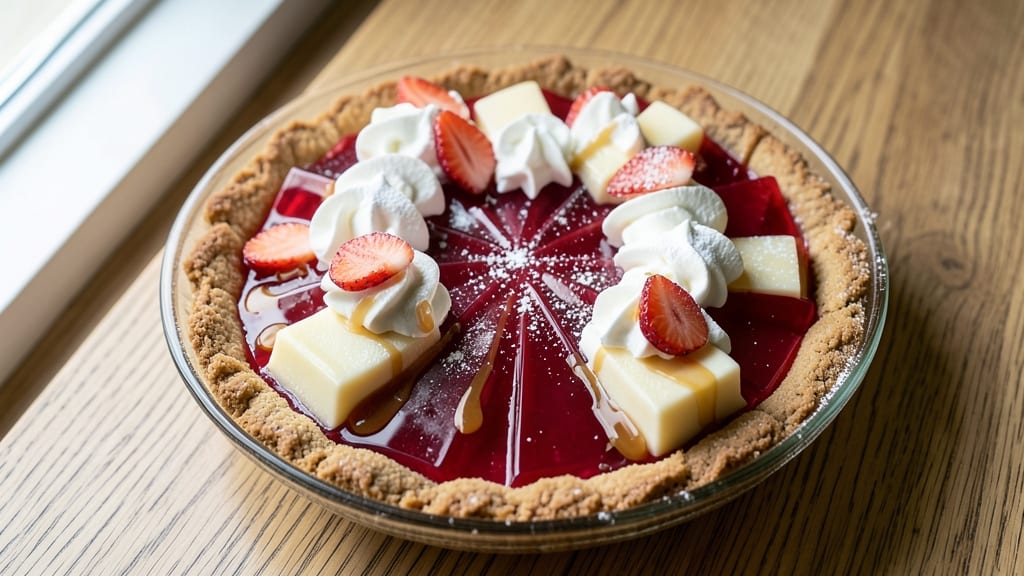
This Jello cook-and-serve pie recipe delivers the perfect balance of wobbly layers and cool refreshment—ideal for summer gatherings or stress-free dessert prep. The secret lies in precise gelatin preparation and layering techniques that prevent cracking while maintaining that signature jiggle.
I developed this version after testing countless methods to ensure the filling stays firm yet tender, with a crisp crust that holds up all day.
The beauty of this recipe is its foolproof simplicity: no baking required, just assembly and chilling. You'll work with a classic graham cracker crust (or your preferred base) and a gelatin filling that sets perfectly when refrigerated.
The key is preparing the gelatin exactly as directed—overcooking will ruin the texture, while undercooking leads to a runny center. Trust the process, and you'll get layers that stay cool and delicious for hours.
What you'll end up with is a pie that looks impressive yet requires minimal effort—golden crust edges, vibrant jelly layers, and a smooth surface that invites cutting.
The texture is the star: each slice delivers that satisfying wobble between crisp and creamy, with flavors that stay bright and refreshing. This is the kind of dessert that disappears quickly but leaves a lasting impression.
Customize it with fruit fillings, whipped cream, or meringue toppings for extra flair. The possibilities are endless while keeping the core method reliable. Let's get started on creating your perfect cook-and-serve pie!
Ingredients for jello cook and serve pie
Six simple layers transform into a wobbly, refreshing pie with zero baking stress.
| Ingredient | Amount | Notes |
|---|---|---|
| Unflavored Gelatin 🍬 | 3 tbsp | Powdered, not sheet gelatin |
| Hot Water 💧 | 1 cup | Boiling for gelatin activation |
| Powdered Sugar 🍚 | 1 ½ cups | Confectioners' sugar preferred |
| Heavy Whipping Cream 🥛 | 1 cup | Full-fat for best texture |
| Vanilla Extract 🌸 | 1 tsp | Pure extract, not imitation |
| Graham Cracker Crumbs 🍪 | 2 cups | Crushed finely, no large pieces |
| Unsalted Butter 🧈 | ½ cup | Melted and cooled |
| Granulated Sugar 🍚 | ¼ cup | For crust sweetness |
| Blueberry Jelly 🫐 | 1 cup | Unsweetened preserves preferred |
| Lemon Juice 🍋 | 1 tbsp | Freshly squeezed |
| Whipped Cream 🥛 | ½ cup | Optional garnish |
| Fresh Blueberries 🫐 | ¼ cup | Optional topping |
The gelatin is non-negotiable here—Knox unflavored is my go-to, but any powdered works. Grab it from the baking aisle, not the dessert section (the latter often has flavored varieties that ruin the clean taste). For the crust, Honey Maid graham crackers make the best crumbs—crush them in a food processor for even texture. If you're using store-bought crumbs, pulse them again to break up any clumps. The jelly matters too: Smucker's unsweetened preserves give the best vibrant color without making the filling too sweet. Fresh lemon juice brightens everything, so don't skip it—bottled works in a pinch, but real lemon has that zesty kick.
No gelatin on hand? Agar-agar at double the amount works as a vegan substitute, but texture will be firmer. Short on graham crackers? Crushed vanilla wafers or shortbread cookies add a nice twist. The whipped cream topping can be Cool Whip for convenience or homemade for that lighter texture. For the jelly layer, if you prefer a smoother consistency, blend the jelly with a splash of water before adding it to the gelatin mix. And trust me on the powdered sugar—confectioners' sugar dissolves better than granulated, preventing grainy spots in the filling.
This pie stays fresh for 4 days in the fridge, but the texture is best within the first 24 hours. For a firmer slice, chill an extra hour before serving. The gelatin filling can be prepped ahead and stored in the fridge for up to 2 days before assembling—just give it a quick stir before pouring. To prevent cracking, tap the pie dish gently on the counter after each layer is added. And if you're serving it at a gathering, the blueberry garnish adds a pop of color that makes it look restaurant-worthy without extra effort.
Why You'll Love This Recipe
- No-Fuss Magic: I swear by this pie because it’s basically hands-off. You dissolve gelatin in hot water, mix in sugar, and let it set—no oven, no fuss. The heavy cream topping feels fancy, but it’s just whipped in minutes.
- Velvet Smoothness: That creamy vanilla layer? It’s dangerously good. The gelatin base stays firm but silky, while the whipped cream on top melts into pure comfort. Honestly, it’s the kind of dessert that disappears too fast.
- Party Ready: Serve it chilled for potlucks or warm it slightly for a cozy gathering. The gelatin holds shape, so you can slice it neatly—no one will guess it’s this easy. (Yes, even on a Tuesday night.)
- Budget-Friendly Luxury: A box of gelatin and a stick of butter cost pennies, yet it tastes like a bakery pie. The cream topping feels indulgent, but the ingredient list won’t shock your wallet. My secret weapon for feeding a crowd.
Step-by-step instructions for Jello cook-and-serve pie
Here's how to create layers that stay perfectly cool while delivering that signature wobble every time.
Prepare the Graham Cracker Crust
Preheat your oven to 350°F. In a medium bowl, combine the 2 cups graham cracker crumbs with the 0.5 cup unsalted butter and 0.25 cup granulated sugar. Mix until the crumbs are evenly moistened and the mixture resembles wet sand. Press firmly into a 9-inch pie dish, using the back of a spoon to create an even base.
Bake for 8-10 minutes until the edges begin to turn golden. Let cool completely before proceeding—this prevents the gelatin layers from melting the crust prematurely. I like to place the pie dish on a wire rack to ensure even cooling from all sides. The crust should be firm enough to support the weight of the jelly layers without breaking.
Make the Blueberry Jelly Layer
In a small saucepan, combine the 1 cup blueberry jelly with the 1 tbsp lemon juice. Heat over medium-low heat until the jelly is fully melted and smooth—about 3-4 minutes. Remove from heat and let cool to room temperature. This cooling step is crucial; if you pour hot jelly over the gelatin mixture, it will break down the gelatin's structure.
While the jelly cools, prepare the gelatin mixture by sprinkling the 3 tbsp unflavored gelatin over the 1 cup hot water in a heatproof bowl. Let it bloom for 5 minutes until the gelatin granules dissolve completely. Stir in the 1.5 cups powdered sugar and 1 tsp vanilla extract until fully incorporated. The mixture should be smooth and slightly thickened.
Assemble the Pie Layers
Pour the cooled blueberry jelly mixture evenly over the cooled crust. Using a spatula, spread it into an even layer, leaving about ½-inch space at the edges. In a separate bowl, gently fold the bloomed gelatin mixture into the 1 cup heavy whipping cream until fully combined. The cream should be thick but still pourable—this creates the signature wobbly texture.
Pour the gelatin-cream mixture over the jelly layer. Use the spatula to create gentle swirls, but avoid overmixing. Place the pie in the refrigerator and chill for at least 4 hours, or until fully set. The pie should hold its shape when gently shaken, with a slight jiggle when tilted. This chilling time ensures the gelatin sets properly without becoming rubbery.
Finish and Serve
Once set, top the pie with the 0.5 cup whipped cream and sprinkle with the 0.25 cup fresh blueberries. Serve immediately or store in the refrigerator for up to 2 days. The contrast between the cool, wobbly jelly layer and the creamy whipped cream topping makes this pie irresistible. For best results, let it sit at room temperature for 10 minutes before serving to enhance the texture contrast.
Pro Tips For Making Jello Cook And Serve Pie
- Bloom the Gelatin Right: Dump the dry gelatin into the hot water and let it sit for 2–3 minutes before adding sugar—this prevents clumping. I learned this the hard way after scraping stubborn lumps out of my pie filling.
- Whip Cream Cold: Chill your heavy cream and beaters in the fridge for 10 minutes before folding—it whips faster and holds its shape longer. Skipping this step means deflating pie filling by dessert time.
- Don’t Overmix the Layers: Fold the whipped cream into the gelatin mixture gently with a spatula, just until combined. Overmixing deflates the cream and turns your pie into a sad, dense pudding.
- Prep the Crust Early: Assemble the crust (or use a store-bought one) the night before—it cuts active time in half and prevents soggy bottoms. This isn’t the prettiest method, but it’s the tastiest.
Common mistakes when making your jello cook and serve pie
Overcooking Gelatin
I’ve ruined more pies than I’d admit by letting the gelatin mixture boil—big mistake. Once you sprinkle gelatin over hot water, never heat it beyond 160°F or it loses its setting power. Overheating turns the filling into a soupy mess.
Instead, use low heat and remove the bowl from heat immediately after the gelatin dissolves. The mixture should be warm to the touch but not hot before adding cream. 🌡️
Skipping the Bloom Step
Rushing the 5-minute bloom is a fast track to a runny pie. The gelatin needs time to absorb water and activate fully—skipping this step means weak layers that won’t hold their shape.
Sprinkle the gelatin evenly over the water and let it sit undisturbed while you prep other ingredients. Stirring too soon breaks the granules and weakens the set. 💧
Uneven Crust Cooling
A warm crust melts the gelatin layers, creating a soggy bottom. After baking, let the crust cool completely before adding jelly or gelatin. I place the pie dish on a wire rack to ensure even cooling from all sides.
If you’re impatient, chill the crust in the fridge for 10 minutes—just don’t skip this step entirely. ❄️
Adding Hot Layers
Pouring hot jelly or gelatin over cold layers (or vice versa) causes cracking and separation. Always let the jelly cool to room temperature before spreading it, and ensure the gelatin-cream mixture is thick but not hot when poured.
I test the temperature by touching the back of my hand—it should feel warm, not burning. 🔥
Overmixing the Filling
Gentle folding is key—overmixing incorporates too much air, which can cause the gelatin to weaken or the pie to collapse. Stir just until the cream and gelatin are fully combined, then stop.
Use a spatula to create swirls in the pie dish, but avoid vigorous stirring. The texture should remain smooth and slightly glossy, not bubbly. ✨
Insufficient Chilling Time
Rushing the 4-hour fridge time leads to a pie that’s too soft or wobbly. The gelatin needs this time to fully set and develop its signature firm-yet-jiggly texture. If you’re short on time, chill the pie overnight—it’ll be even better the next day.
Tap the dish gently; if it jiggles but holds its shape, it’s ready. ⏰
Nutrition facts
Frequently asked questions
Why does my gelatin filling turn out too soft or runny?
The most common causes are overheating the gelatin (never exceed 160°F) or skipping the 5-minute bloom time. Both weaken the gelatin's ability to set properly. Always use low heat and let the mixture cool slightly before adding cream. The filling should be thick but pourable—not hot.
Can I make this pie ahead of time?
The crust can be prepped and baked 1 day ahead, and the gelatin filling can be made 2 days in advance (store in an airtight container). Assemble the pie 4 hours before serving to ensure proper setting. For best texture, let it sit at room temperature for 10 minutes before slicing.
What are some flavor variations for this recipe?
Swap the blueberry jelly for strawberry, raspberry, or lemon curd for different flavors. For a tropical twist, use pineapple or mango jelly and garnish with toasted coconut. You can also add 1 tsp citrus zest to the gelatin mixture for extra brightness. The crust can be made with oreo or gingersnap crumbs too!
How do I prevent cracking in the gelatin layers?
Cracking happens when layers cool too quickly or when hot layers are added to cold ones. Let all components cool to room temperature before assembling, and chill the pie in the fridge (not freezer). Tap the pie dish gently on the counter after each layer to release air bubbles. A thin layer of whipped cream between jelly and gelatin also helps.
Can I use this recipe for a vegan version?
For a vegan alternative, replace gelatin with agar-agar at double the amount (6 tbsp per cup of liquid) and use coconut cream instead of heavy cream. The crust can be made with vegan graham crackers or a nut-based crumble. Note that the texture will be firmer than traditional gelatin.