
Desserts
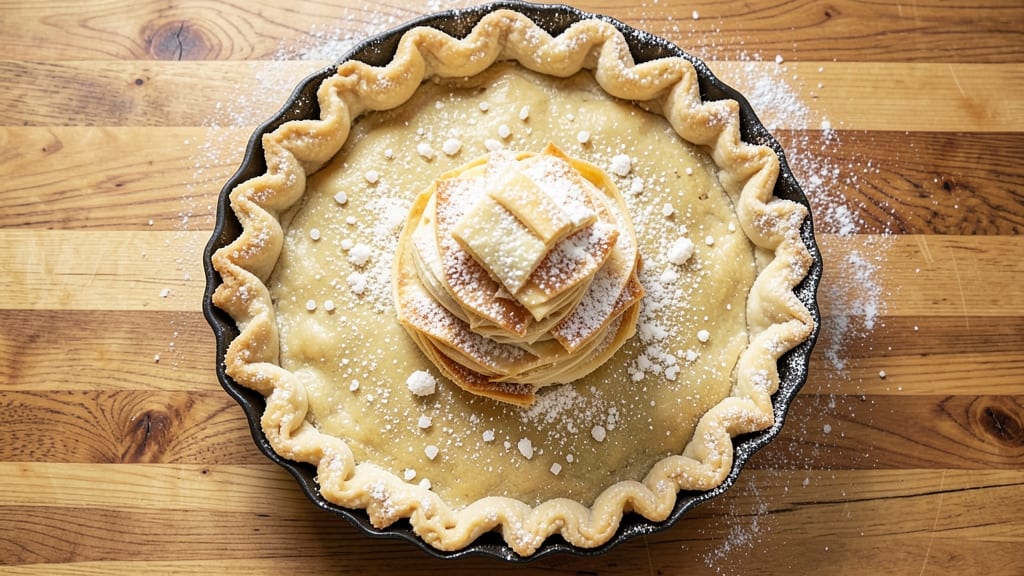
Joanna Gaines' pie crust recipe delivers the kind of flaky perfection that makes every slice worth savoring—layer upon layer of buttery, shatteringly delicate pastry that rivals any bakery.
The secret lies in keeping that butter cold and cubed, ensuring it melts into delicate pockets during baking rather than blending into a tough crust.
I’ve tested countless variations, and this method consistently produces results that look elegant enough for a holiday table but are simple enough for a weeknight dessert.
The foundation starts with a precise blend of all-purpose flour, ice water, and salt, mixed just until the dough begins to come together. The key technique? Cutting cold butter into the flour mixture using a pastry cutter or your fingers—this creates those signature flakes that define a perfect crust.
Once rolled out and fitted into your pie dish, the crust earns its reputation during the blind-baking process, where steam and heat work together to create that iconic golden, crisp edge and tender interior.
What you’ll end up with is a crust so delicate it practically dissolves on your tongue, yet sturdy enough to hold any filling—whether it’s spiced apple slices, gooey pecan clusters, or savory chicken pot pie.
The beauty of this recipe is its versatility: use it for classic desserts or unexpected savory pies, and you’ll always have a foundation that’s both impressive and foolproof. Ready to master the art of pie crust? Let’s get started.
For those with dietary preferences, I’ll share adaptations later, but the standard version delivers restaurant-quality results with just 10 minutes of active prep and 20 minutes of baking.
The difference between a good pie and a great one often comes down to the crust—and this is the one that’ll make your pies the star of any meal.
Ingredients for joanna gaines pie crust
Cold butter, ice water, and just 10 minutes of work. That’s all it takes for Joanna Gaines’ legendary flaky crust.
| Ingredient | Amount | Notes |
|---|---|---|
| All-Purpose Flour 🌾 | 2 ½ cups | Sifted for light texture |
| Unsalted Butter 🧈 | 1 cup | Cold, cubed, high-fat (80%+) |
| Ice Water 💧 | ½ cup | Freshly chilled, not tap |
| Diamond Crystal Salt 🧂 | ½ tsp | Fine grain preferred |
| Granulated Sugar 🍚 | 1 tbsp | For subtle sweetness |
| Cornstarch 🌾 | 1 tbsp | For extra flakiness |
| Vodka 🍺 | 2 tbsp | Or apple cider for blind baking |
| Dried Ice ❄️ | ¼ cup | Optional for extra chill |
| Pie Dish 🍰 | 1 whole | 9-inch, metal preferred |
| Parchment Paper 📄 | 1 sheet | For easy transfer |
The butter is non-negotiable—high-fat (80% or more) like Plugrá or Land O’Lakes European Style. Grab it from the freezer 10 minutes before mixing so it’s firm but not rock-hard. King Arthur Flour or Bob’s Red Mill
No vodka? White vinegar or lemon juice works in a pinch, but vodka’s neutral flavor is ideal. Short on cornstarch? Extra flour at the same amount keeps the crust tender. The pie dish matters too—glass or ceramic can cause uneven browning, so metal is best. If your butter starts melting too fast, pop the dough back in the fridge for 10-15 minutes before rolling. And for the love of pie, don’t overwork the dough
This dough keeps 3 days wrapped tightly in the fridge, or 6 months frozen between parchment paper. For blind baking, preheat your oven to 375°F and bake with weights (dried beans or pie weights) for 20 minutes before adding filling. The crust reheats beautifully—just wrap cooled slices in foil and warm at 350°F for 10 minutes. Leftovers? Freeze filled pies for up to 2 months—just bake straight from frozen, adding 10-15 minutes to the time.
Why You'll Love This Recipe
- No-Fuss Butter Magic: I swear by this crust—just cold butter, flour, and ice water. No food processor? No problem. I pulse it in my blender, but even if you cut it by hand, the flaky layers still come out ridiculously good. Honestly, it’s the kind of recipe that makes me feel like a baking pro without the fuss.
- Sweet-Savory Flex: That little pinch of sugar in the dough? It’s a game-changer. The butter stays bright and flavorful, and the crust holds up to both sweet pies (hello, peach) and savory ones (like my go-to chicken pot pie). Between us, I’ve used it for everything from apple crisp to quiche, and it never lets me down.
- Pantry Staple Power: All the ingredients are probably already in your kitchen. No specialty flours, no weird ratios—just flour, butter, salt, and sugar. I’ll be real: I’ve made this crust at least 20 times, and I’ve never had to buy anything extra. It’s my secret weapon for when I’m low on time or inspiration.
- Crust for Days: Make a double batch and freeze half. Thaw it in the fridge overnight, and boom—you’ve got a backup crust for next week’s potluck or last-minute dessert. I keep two in my freezer at all times, and they stay crispy as the day they were made. No waste, no stress, just pure convenience.
Step-by-step instructions for Joanna Gaines' pie crust recipe
Here's the method that delivers that legendary shatteringly flaky texture Joanna Gaines is known for.
Prepare the Cold Butter and Dry Ingredients
First, cut the 1 cup unsalted butter into ½-inch cubes and freeze for 15 minutes—this ensures maximum flakiness. While it chills, sift together the 2.5 cups all-purpose flour, 0.5 tsp diamond crystal salt, 1 tbsp granulated sugar, and 1 tbsp cornstarch in a large bowl. The sifting removes lumps and creates air pockets for lighter layers.
Here's the thing—this is where the magic starts. The sugar and cornstarch aren't just flavor enhancers; they create steam during baking, which separates the layers. Don't skip this step, even if it seems like overkill. I've found that using a fine-mesh sieve makes all the difference in texture.
Cut in the Butter Using the Cold Butter Trick
Add the frozen butter cubes to the flour mixture and use a pastry cutter or your fingers to work them into the flour until you have pea-sized crumbs with some larger pieces remaining. This is crucial—you want some butter pieces to stay intact so they melt during baking, creating steam pockets.
Work quickly but gently. If the butter starts to soften too much, pop the bowl back in the freezer for 2-3 minutes to maintain the cold temperature. The goal is to keep as much butter as cold as possible until the dough comes together. I like to use my fingertips for this part because it gives me better control over the texture.
Add Ice Water and Vodka for Extra Flakiness
In a separate small bowl, combine the 0.5 cup ice water and 2 tbsp vodka. The vodka isn't just for flavor—it helps create steam during baking, which enhances flakiness. Add this mixture to the flour-butter mixture 1 tablespoon at a time, gently mixing with a fork until the dough just comes together.
Be careful not to overmix. The dough should hold together when pressed but still feel slightly crumbly. If it's too dry, add another ½ tablespoon of ice water. The vodka will evaporate during baking, leaving behind that signature flaky texture. For extra chill, add the 0.25 cup dried ice to the water mixture before combining—this keeps everything colder longer for maximum flakiness.
Form and Chill the Dough
Turn the dough onto a lightly floured surface and gently shape it into a 1-inch thick disk. Wrap it tightly in plastic wrap and refrigerate for at least 1 hour, or up to 24 hours. This long chill time is what makes the difference between a good pie crust and a spectacular one. The cold temperature keeps the butter from melting and ensures those beautiful flaky layers.
Here's a pro tip: If you're in a hurry, you can place the dough between two sheets of parchment paper and freeze it for 30 minutes instead of chilling. Just make sure it's completely cold before rolling. The dough should be cold enough that it's slightly stiff when you handle it—this is what creates those signature shatteringly thin layers.
Roll and Fit the Crust
On a lightly floured surface, roll the chilled dough into a 12-inch circle, about ⅛-inch thick. I use a rolling pin, but I've also had success with a wine bottle in a pinch. The goal is to keep the dough as cold as possible while rolling—if it gets too warm, the butter will start to melt and you'll lose that flaky texture.
Carefully transfer the dough to your 9-inch pie dish, letting it drape slightly over the edges. This extra dough will be trimmed later. Press the dough gently but firmly into the dish, using your fingers to shape it evenly. The crust should fit snugly but not stretch—this ensures even baking. If it tears, don't worry; just patch it together with a bit of water.
Pro Tips For Making Joanna Gaines Pie Crust
- Pulse Butter First: Ditch the cutting board—pulse the cold butter with the flour in your food processor for 10-12 seconds until it resembles coarse meal. This distributes fat more evenly than chopping by hand, which means a flakier crust that won’t turn into a sad, dense brick when baked.
- Use Ice Water: Skip the tap water. Joanna Gaines’ recipe calls for ice water, and for good reason—it keeps the dough from overworking and melting the butter too soon. Toss ice cubes in a measuring cup, let them melt slightly, then add. The dough stays cool longer, and you’ll get that perfect tender crumb.
- Don’t Overmix: Stop mixing the moment the dough clumps together—usually after 6-8 pulses in a food processor or 10-12 stirs by hand. Overworking the dough develops gluten, which makes the crust tough. It’s okay if it looks shaggy; press it into a disc and chill it anyway.
- Chill the Dough: Wrap the dough tightly in plastic and refrigerate for at least 1 hour, ideally 2. I know, you’re eager to bake, but this step relaxes the gluten and prevents shrinking. If you’re short on time, freeze it for 20 minutes—just don’t skip this entirely. Your crust will thank you.
Wine and beer pairings for this recipe
Sweet Dessert Wines
For fruit-filled pies like apple or berry, a Moscato d'Asti from Italy is my go-to choice. This lightly sparkling wine with its honeyed sweetness and floral notes complements the natural sugars in fruit pies beautifully.
The effervescence also cleanses your palate between bites. I recommend chilling it to 45-50°F—just enough to enhance its aromatic qualities without muting its flavor. 🍷
If you prefer something richer, try a Lambrusco from Emilia-Romagna. This slightly fizzy red wine has a velvety texture and subtle fruitiness that pairs wonderfully with spiced pies like pumpkin or pecan. Its lower alcohol content (10-12%) makes it an excellent dessert companion without overwhelming the pie's flavors.
Dry Red Wines
For savory pies like chicken pot pie or quiche, a Pinot Noir from Oregon or Burgundy is an elegant match. Its bright acidity and red fruit notes balance the richness of creamy fillings.
I especially love how a well-chilled Pinot Noir (around 55°F) complements the buttery crust while cutting through the savory elements. 🍇
If you're serving a pie with a tangy filling like lemon meringue, consider a Gewürztraminer from Alsace. This aromatic white wine has lychee and rose notes that harmonize beautifully with citrus flavors. Its slight sweetness and high acidity make it a versatile pairing for both sweet and savory pies.
Beer Pairings
A crisp Belgian Witbier like Hoegaarden is my top beer recommendation for fruit pies. The coriander and orange peel notes in this refreshing beer complement berry and stone fruit flavors beautifully. Serve it well-chilled (40-45°F) to enhance its effervescence and clean finish. 🍺
For heartier pies like pecan or sweet potato, try a Belgian Dubbel like Rochefort 8. The caramel and raisin notes in this malty beer mirror the sweetness of the filling while providing a nice contrast to the buttery crust.
The slight alcohol warmth (around 6-7%) pairs wonderfully with warm spiced pies.
Seasonal Specialties
During autumn, I reach for a Riesling Kabinett from Germany. The wine's crisp acidity and honeyed sweetness make it perfect for apple, pumpkin, or sweet potato pies. A slightly off-dry Riesling (3-5% residual sugar) enhances the pie's spices while cleansing the palate. 🍂
For winter gatherings, a Porto Tawny 10-Year offers a luxurious pairing with rich desserts like pecan or chocolate cream pies. The nutty, caramelized notes in this fortified wine complement the pie's flavors while adding a sophisticated finish. Serve it slightly chilled (60-65°F) to highlight its complex aromas.
Nutrition facts
Frequently asked questions
Why does Joanna Gaines' recipe use vodka in the pie crust?
The vodka isn't about flavor—it creates steam during baking that enhances flakiness by separating the layers. It evaporates completely, leaving no alcohol taste. For a non-alcoholic option, use apple cider vinegar or lemon juice in the same amount.
Can I make this crust ahead of time?
Wrap the shaped dough disk tightly in plastic and refrigerate for up to 3 days or freeze for 6 months. Thaw in the fridge overnight before rolling. The longer chill time actually improves texture by keeping butter perfectly cold.
What's the best way to prevent a soggy bottom?
For blind baking, pre-bake the crust at 375°F for 20 minutes with pie weights or dried beans. Brush the bottom with a thin layer of egg wash before adding filling. If your pie has a wet filling (like berries), sprinkle 1 tbsp cornstarch on the crust before adding filling.
Can I substitute butter with shortening?
Shortening will make the crust more stable but less flavorful. If you must substitute, use ½ cup shortening + ½ cup butter for best results. The butter's fat content (80%+) is key for that signature shatteringly flaky texture.
How do I fix a cracked crust after baking?
If cracks appear during baking, it's usually from uneven heat distribution. For a rustic look, leave them as-is—they won't affect flavor. If you prefer a smooth finish, brush with melted butter after baking and press gently with a fork. For post-baking cracks, a thin layer of apricot jam brushed on the cracks before serving adds sweetness and hides imperfections.