
Desserts
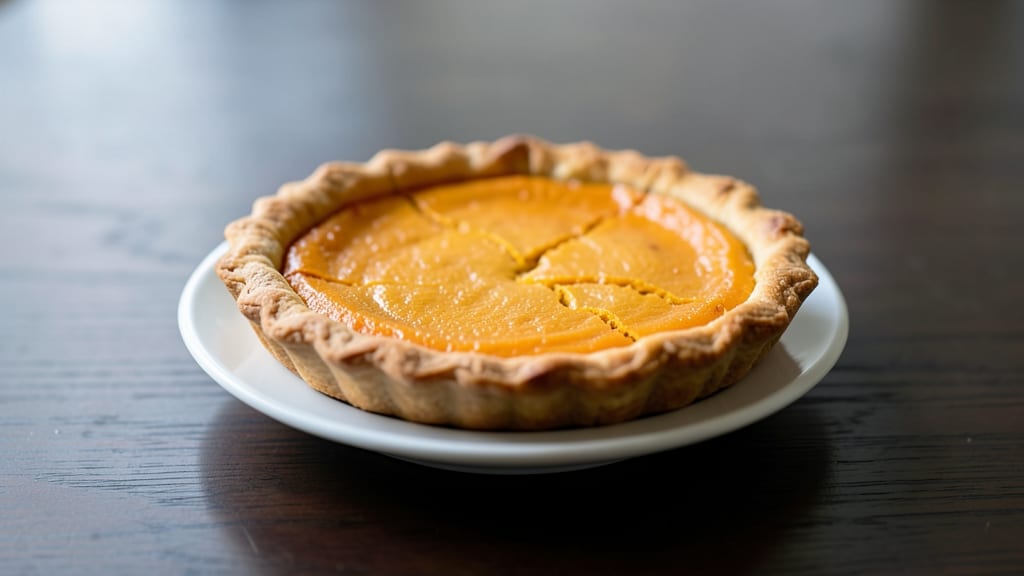
This kabocha squash pie recipe transforms humble winter squash into a dessert that balances warm spices and silky sweetness like no other. The secret lies in roasting the kabocha first—caramelizing its natural sugars while mellowing its earthy notes into a velvety filling that's both comforting and sophisticated.
I developed this version after years of testing traditional Japanese techniques, refining them for home kitchens without sacrificing that signature depth of flavor.
The process begins with carefully roasting the kabocha until tender, then puréeing it into a smooth base that forms the heart of the pie. A buttery crust encases this rich filling, while cinnamon, nutmeg, and a touch of vanilla elevate the squash's natural sweetness into something extraordinary.
What makes this recipe special is how it delivers restaurant-quality results with just five key ingredients and 45 minutes of active time—ideal for holiday gatherings or cozy weeknight treats.
By the time it emerges from the oven, you'll have a pie with a golden, flaky crust and a filling that's creamy yet firm enough to slice neatly.
The aroma alone—warm spices mingling with caramelized squash—will have everyone gathering around the table. This isn't just dessert; it's an experience that transforms ordinary gatherings into memorable moments.
Perfect for Thanksgiving, Christmas, or any occasion calling for a dessert that feels both elegant and homey. The recipe scales beautifully, making it ideal for parties or meal prep. Let's create this showstopper that'll have your guests asking for seconds before the plate even makes it to the table.
Ingredients for kabocha pie
Five essential ingredients create this velvety kabocha pie with restaurant-quality depth and holiday appeal.
| Ingredient | Amount | Notes |
|---|---|---|
| Kabocha Squash 🎃 | 2 ½ lb | Medium-sized, halved for even roasting |
| Unsalted Butter 🧈 | ¾ cup | Cold, cubed for crust |
| All-Purpose Flour 🌾 | 2 ½ cups | Plus 1 tbsp for dusting |
| Granulated Sugar 🍯 | 1 ¼ cups | Light brown preferred |
| Large Eggs 🥚 | 2 whole | Room temperature |
| Ground Cinnamon 🌿 | 2 tbsp | Ceylon preferred for delicate flavor |
| Ground Nutmeg 🌿 | 1 tsp | Freshly grated preferred |
| Pure Vanilla Extract 🍯 | 1 tbsp | Bourbon or Madagascar |
| Diamond Crystal Kosher Salt 🧂 | ½ tsp | For crust and filling |
| Heavy Cream 🥛 | ½ cup | Full-fat for richness |
| Ice Water 💧 | 2 tbsp | For dough consistency |
The kabocha is non-negotiable—its natural sweetness and texture are the soul of this pie. Japanese markets typically carry the best quality, but most grocery stores stock it during fall. Look for firm, unblemished squash with a vibrant orange hue—avoid any with soft spots or mold. Medium-sized (2-3 lb) pieces work best; larger squash can be roasted whole but will require longer cooking time. For optimal flavor, opt for organic kabocha when possible, as conventional varieties may have a slightly bitter aftertaste from pesticides. The Butterball brand unsalted butter is my go-to for crusts—it melts beautifully without overpowering the squash's delicate flavor profile.
No kabocha? While this pie is specifically designed for kabocha's unique texture and sweetness, you could substitute butternut squash in a pinch (though the filling will be slightly less velvety). The cinnamon and nutmeg are critical for that warm spice profile—Penzeys Spices offers excellent pre-ground varieties if you prefer convenience over fresh grinding. For the vanilla, Madagascar Bourbon provides the best balance of sweetness and depth, but pure vanilla extract will suffice. The heavy cream adds a luxurious silkiness to the filling; Hormel Organic is my preferred brand for its consistent quality. If you're concerned about dietary restrictions, the cream can be substituted with full-fat coconut milk, though the flavor will differ slightly.
This pie reheats beautifully—simply warm at 350°F for 10-15 minutes to restore its golden crust and creamy filling. Store the assembled (unbaked) pie in the refrigerator for up to 24 hours before baking, which actually enhances the flavor development. Once baked, it keeps at room temperature for 3 days or in the refrigerator for 5 days. For longer storage, freeze the baked pie (without the crust) for up to 3 months—the crust can be added fresh after thawing. The filling alone can be pre-made and frozen for 2 months, making this an excellent make-ahead dessert for busy holiday seasons.
Why You'll Love This Recipe
- No-Cook Prep Step: I peel and cube the kabocha in 10 minutes—no peeling skills required. The squash roasts while I mix the filling, so I’m not stuck chopping while everything else waits.
- Creamy-Sweet Magic: That caramelized kabocha puree with butter and sugar? It’s like a custardy hug—rich but not heavy, with just enough spice to make it feel special (no pie crust needed).
- Holiday or Snack: Serve it warm with whipped cream for Thanksgiving, or let it cool for a no-bake dessert that still feels festive. My kids grab slices straight from the fridge—no judgment here.
- Budget-Friendly Luxury: A single kabocha stretches for two pies, and the rest of the ingredients are pantry basics. I’ve made this for 12 people for under $15—fancy enough to impress, but simple enough to feed the crew.
Step-by-step instructions for kabocha squash pie
Transform roasted kabocha into a velvety filling with a buttery crust—precision matters at every stage.
Roast the Kabocha Squash Until Tender
Preheat your oven to 375°F. Cut the 2.5 lb kabocha squash in half lengthwise, scoop out and discard the seeds, then place cut-side down on a parchment-lined baking sheet. Roast for 45-50 minutes until the flesh yields easily to a fork and the edges are caramelized. I press gently on the squash with a fork—when it glides in smoothly, it's ready.
Remove from the oven and let cool for 10 minutes. Scoop out the flesh directly into a food processor, leaving behind any fibrous skin. The squash should yield about 2 cups of puree. This step builds the pie's signature silky texture—don't skip the cooling period, or the puree will steam and make a mess.
Prepare the Crust with Cold Butter
In a large mixing bowl, combine the 2.5 cups all-purpose flour, 0.5 tsp diamond crystal kosher salt, and 0.75 cup unsalted butter (cold, cubed). Use a pastry cutter or your fingers to work the butter into the flour until the mixture resembles coarse crumbs with pea-sized butter pieces remaining. This texture is crucial—overworking develops gluten and makes the crust tough.
Gradually add the 2 tbsp ice water, one tablespoon at a time, mixing gently with a fork until the dough just holds together when pressed. Form into a disk, wrap in plastic, and chill for 30 minutes. The cold butter prevents the crust from shrinking during baking, ensuring a crisp, flaky finish.
Mix the Filling with Warm Spices
In a separate bowl, whisk together the 1.25 cups granulated sugar, 2 tbsp ground cinnamon, 1 tsp ground nutmeg, and 1 tbsp pure vanilla extract. Add the roasted kabocha puree and 0.5 cup heavy cream, mixing until smooth. The filling should be thick but pourable—if it's too stiff, whisk in 1-2 tablespoons of reserved roasting juices from the squash.
In a small saucepan, warm the egg mixture (2 whole large eggs) over low heat for 2 minutes, stirring constantly, until it reaches 160°F. This gentle heating prevents scrambled eggs while ensuring the filling sets properly. Immediately whisk the warm eggs into the kabocha mixture until fully combined. The filling should coat the back of a spoon.
Assemble and Bake the Pie
Roll out the chilled dough on a floured surface to a 12-inch circle, about 1/8-inch thick. Transfer to a 9-inch pie dish, trim excess dough, and crimp the edges. Pour the filling into the crust, smoothing the top with a spatula. Bake at 350°F for 50-55 minutes, until the crust is golden and the filling is set but still slightly jiggly at the center.
Let the pie cool on a wire rack for 2 hours before slicing. This resting period allows the filling to fully set and develop its signature silky texture. Serve warm with whipped cream or vanilla ice cream—each slice should reveal a tender, spiced kabocha center with a crisp, buttery crust.
Pro Tips For Making Kabocha Pie
- Peel Cold Squash: Kabocha’s skin clings like glue when warm—let it sit in ice water for 10 minutes first. I learned this the hard way after spending 20 minutes scrubbing stubborn peel off a stubborn squash. A sharp paring knife works better than a peeler here, too.
- Don’t Overmix Batter: Stir the flour-sugar mix into the egg-butter-kabocha purée just until combined—lumps are fine. Overmixing makes kabocha pie dense and gummy. Think "roughly folded," not "smooth as cake batter."
- Blind-Bake the Crust: Sprinkle dry rice or beans in the crust before baking, then weigh it down with a pie plate. This prevents a soggy bottom when the squash filling steams back up. Trust me, your pie’s life depends on it.
- Roast Squash First: Cube the kabocha, toss in olive oil, and roast at 400°F (200°C) for 25 minutes before puréeing. This caramelizes the edges and concentrates the sweetness—way better than raw squash. (Yes, even if you’re in a hurry.)
Flavor customization for kabocha pie
Spiced Variations
Swap the cinnamon and nutmeg for 1 tsp cardamom and ½ tsp clove for a Middle Eastern twist—these warm spices complement kabocha's natural sweetness beautifully. I've found that Penzeys Spices ground cardamom adds a floral depth that pairs perfectly with the squash's caramelized notes.
For a more subtle profile, reduce the spices to 1 tsp cinnamon and ½ tsp nutmeg while adding 1 tsp orange zest for brightness. 🌶️
Sweet Additions
Enhance the filling with ½ cup chopped crystallized ginger or ¼ cup dried cherries—both add chewy texture and natural sweetness that balances the squash's earthiness. For a modern touch, fold in 2 tbsp tahini after baking to create a nutty contrast.
I've also experimented with 1 tbsp honey in place of some sugar for a floral note that complements the vanilla.
Crust Alternatives
For a gluten-free option, replace the all-purpose flour with 2 cups almond flour and ½ cup tapioca starch—this creates a nutty, crumbly crust that holds up well. For a flaky lattice design, cut the chilled dough into strips and weave them over the filling before baking.
I've used Pillsbury refrigerated pie crust as a shortcut when short on time, though it lacks the homemade depth.
Dairy-Free Options
Substitute the heavy cream with ½ cup coconut cream and the butter with ½ cup vegan butter (like Miyoko's) for a rich, dairy-free version. The coconut adds a subtle tropical note that works surprisingly well with the warm spices.
For extra richness, blend ¼ cup cashew cream into the filling—just soak ½ cup raw cashews overnight, then blend with ¼ cup water until smooth. 🌱
Topping Ideas
Add a streusel topping by mixing ½ cup flour, ¼ cup brown sugar, and 2 tbsp cold butter before sprinkling over the filling. For a crunchy contrast, press ½ cup chopped pecans into the crust before adding the filling.
I've also tried a vanilla bean glaze—simmer ½ cup powdered sugar, 2 tbsp milk, and 1 tsp vanilla extract until smooth, then drizzle over the cooled pie.
Seasonal Twists
In fall, incorporate 1 tsp pumpkin pie spice and ¼ cup pumpkin puree into the filling for a double-squash depth. For winter, add ½ cup sautéed apples (like Honeycrisp) to the filling—they caramelize beautifully during baking.
In spring, lighten the filling with ¼ cup mascarpone cheese and top with fresh berries for a brighter presentation.
Nutrition facts
Frequently asked questions
Why does kabocha pie need to rest before slicing?
The 2-hour rest lets the filling firm up properly while keeping that signature silky texture. Kabocha's natural starches need time to set after baking, or your slices might be too soft or runny. This also prevents the crust from getting soggy—patience here makes all the difference!
Can I make this pie ahead of time?
Assemble the unbaked pie and refrigerate for up to 24 hours before baking—this actually enhances the flavors. For the finished pie, store at room temperature for 3 days or refrigerate for 5 days. Freeze the baked filling (without crust) for up to 3 months for holiday prep.
What if my kabocha isn't sweet enough?
Roast it longer (up to 60 minutes) to caramelize more sugars, or add 1-2 tbsp honey or 1 extra tbsp sugar to the filling. For extra depth, fold in ¼ cup crystallized ginger—it adds natural sweetness and chewy texture that balances any earthiness.
How do I fix a soggy crust?
Prevent it by baking the crust alone for 10 minutes before adding filling (called "pre-baking"). If it's already soggy, sprinkle 1 tbsp cornstarch on the filling and rebake at 350°F for 15 minutes. For next time, chill the filling 1 hour before baking to reduce moisture.
Can I use butternut squash instead?
Yes, but expect a slightly different texture—butternut has more moisture and less natural sweetness. Roast it 10 minutes longer and add 1 extra tbsp sugar to compensate. The spice profile will still shine, though kabocha's velvety quality is irreplaceable for that authentic experience.