
Desserts
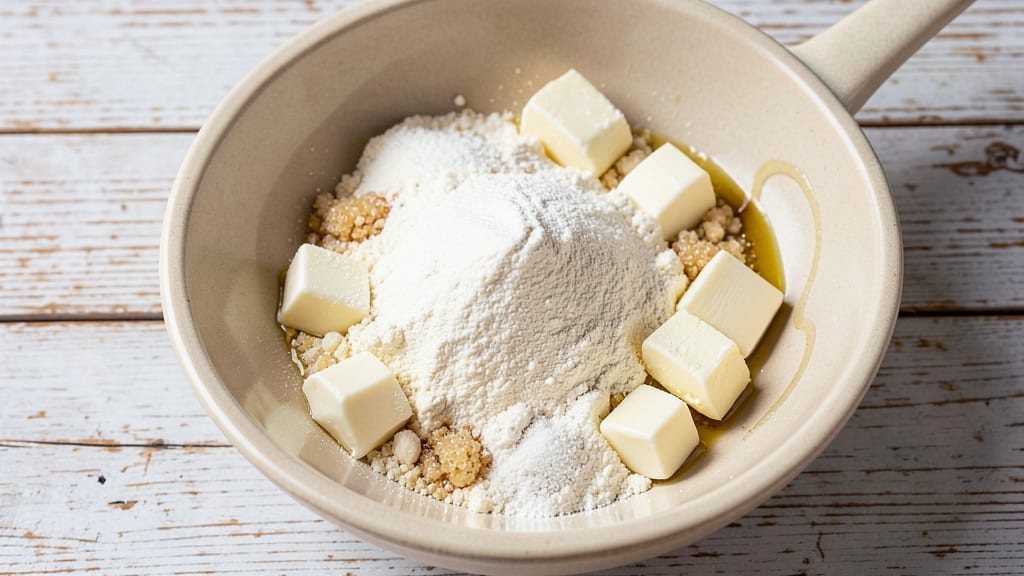
This magnolia pie crust recipe delivers the secret to perfect flakiness—layer upon layer of buttery, tender perfection that holds up through even the longest baking times. The key lies in cold butter and precise technique, ensuring every bite reveals that signature crispness and melt-in-your-mouth texture.
I’ve perfected this crust over years of baking, and it’s the foundation for pies that look like they came straight from a Southern bakery.
The magic happens in the mixing and chilling stages, where cold butter stays in solid chunks to create those delicate, airy layers. Once baked, this crust stays sturdy enough to support a generous filling while remaining light enough to melt slightly at the edges.
It’s the kind of crust that makes even experienced bakers pause and admire—flaky, buttery, and impossible to resist.
Pair this crust with a rich magnolia filling (vanilla, butter, and a touch of spice) for a dessert that’s equal parts comforting and impressive. The contrast between the crisp, golden crust and the creamy, fragrant filling is what makes this pie unforgettable.
Whether you’re baking for a holiday gathering or simply craving a slice of Southern comfort, this recipe delivers.
Ready in under an hour with minimal effort, this pie crust recipe is foolproof for both beginners and seasoned bakers. The secret? Patience and precision—two small investments that pay off in every flaky, buttery bite. Let’s get started on creating a crust that’s worth the wait.
Ingredients for magnolia pie crust
Nine ingredients transform into a crust so flaky it defies expectations—perfect for your magnolia pie.
| Ingredient | Amount | Notes |
|---|---|---|
| All-Purpose Flour 🌾 | 2 ½ cups | Sifted for light texture |
| Unsalted Butter 🧈 | 1 cup | Cold, cubed into 1/2-inch pieces |
| Granulated Sugar 🍚 | 1 tbsp | For subtle sweetness |
| Salt 🧂 | ½ tsp | Diamond Crystal preferred |
| Ice Water 💧 | ½ cup | Chilled for precise mixing |
| Vanilla Extract 🌿 | ½ tsp | Pure, high-quality extract |
| Ground Cinnamon 🌶️ | ¼ tsp | For subtle warmth |
| Ground Nutmeg 🌿 | ⅛ tsp | Freshly grated preferred |
| Magnolia Leaves 🌸 | 2 whole | Dried, crushed for aroma |
The butter is non-negotiable—European-style unsalted butter like Plugrá or Land O’Lakes works best for its high fat content. Grab it from Whole Foods or your local grocery store’s baking aisle, but make sure it’s cold enough to hold its shape when cubed. The flour? King Arthur or Gold Medal brands are my go-to—they’re finely milled and consistent. For the magnolia leaves, Southern specialty stores or online herb vendors carry dried varieties, but if you can’t find them, skip them—the crust will still be perfect. Sift your flour first; this isn’t optional. It removes lumps and ensures even distribution for that signature flakiness.
No European butter? Crisco or vegetable shortening works in a pinch, but the flavor won’t be as rich. Short on vanilla? Almond extract at half the amount adds depth. The cinnamon and nutmeg can be swapped for pumpkin pie spice at the same quantity if you’re in a hurry. For the sugar, if you’re avoiding it entirely, omit it—this crust shines either way. The ice water is critical; room-temperature water will melt the butter too soon. Use a measuring cup with a spout to pour it slowly while mixing—this keeps the dough from getting gummy.
This dough is finicky about warmth. Keep everything—including your mixing bowl and utensils—chilled in the fridge until ready to use. Once rolled out, the crust should be 1/8-inch thick for even baking. Wrap it tightly in plastic and refrigerate for at least 1 hour before baking—this prevents shrinking. Leftovers? The dough freezes beautifully for up to 3 months. Just thaw overnight in the fridge before rolling. Baked crust? Store in an airtight container at room temperature for 3 days or freeze for 2 months. Reheat at 350°F for 5 minutes to restore crispness.
Why You'll Love This Recipe
- No-Fuss Assembly: I swear by this crust because it’s literally three steps: cut butter into flour, add sugar and ice water, then fold like you’re tucking in a blanket. No food processor, no overworking—just gentle hands and a chilled dough that behaves.
- Southern Sweet Crunch: That sugar isn’t just for looks—it caramelizes into a golden, buttery lattice when baked, giving every bite a crisp edge and a whisper of vanilla warmth. Honestly, it’s the kind of flavor that makes you pause mid-slice just to savor it.
- Weeknight to Holiday: Use it for pie, of course, but I’ve also turned it into hand pies (filling + fold = instant crowd-pleaser) or even a buttery tart shell for savory breakfasts. The dough keeps perfectly in the fridge for a week—no freezer burn, no fuss.
- Budget-Friendly Luxury: Butter and sugar might sound fancy, but this crust costs pennies per serving. A single batch stretches to two pies or a dozen mini tarts, and the leftovers? Freeze them between parchment—no waste, all flavor. My wallet and my guests thank me.
Step-by-step instructions for magnolia pie crust
A perfect pie crust requires precision and patience. Here's how to achieve that signature flaky texture with our Southern-inspired blend.
Prepare the Dough Ingredients
Start by sifting the 2.5 cups all-purpose flour into a large mixing bowl. This aerates the flour and removes any lumps, which is crucial for achieving a light, flaky crust. Create a well in the center and add the 1 cup cold cubed butter, 1 tablespoon granulated sugar, 0.5 teaspoon salt, 0.5 teaspoon vanilla extract, 0.25 teaspoon ground cinnamon, and 0.125 teaspoon ground nutmeg. The cold butter is essential—it should be firm enough to hold its shape but soft enough to cut easily with a fork or pastry cutter.
Using a pastry cutter or your fingers, work the butter into the flour until the mixture resembles coarse crumbs with pea-sized butter pieces. This texture is key—you want to maintain as much surface area as possible for those flaky layers. Gently crush the 2 whole magnolia leaves between your fingers and sprinkle them over the mixture. These leaves will infuse the crust with their signature floral aroma as it bakes.
Add Ice Water Gradually
Measure out the 0.5 cup ice water—using ice water is critical because it keeps the butter cold longer, preventing it from melting prematurely. With a fork or your fingers, gently mix the ice water into the flour-butter mixture, starting from the center and working outward. Be careful not to overmix—just combine until the dough begins to come together. The dough should be shaggy and slightly crumbly, but it will firm up as you handle it.
Once the dough pulls together when pressed, turn it out onto a lightly floured surface. Avoid kneading it—just gently shape it into a disk about 1 inch thick. If the dough feels too dry, add 1 tablespoon more ice water; if it's too sticky, chill it for 10 minutes before proceeding. Wrap the disk tightly in plastic wrap and refrigerate for at least 30 minutes—this resting period allows the gluten to relax, which is essential for a tender crust.
Roll and Fit the Crust
On a lightly floured surface, roll the chilled dough into a 12-inch circle, about 1/8-inch thick. If the dough resists rolling, let it rest for another 10 minutes in the fridge. The goal is to create an even thickness—this ensures the crust bakes uniformly and doesn't puff up in some areas while staying flat in others. Transfer the rolled crust to a 9-inch pie dish, gently pressing it into the bottom and up the sides. Trim any excess dough, leaving about 1/2-inch overhang—you'll fold this under later.
For a classic double-crust pie, roll out a second 12-inch circle and place it over the filling. Cut a few slits in the top crust to allow steam to escape during baking. Fold the overhang of the bottom crust under the top crust, then crimp the edges together using your fingers or a fork. Brush the top crust with a bit of ice water or egg wash to help it brown beautifully in the oven.
Blind-Bake for a Flaky Foundation
Preheat your oven to 375°F. Line the crust with parchment paper or aluminum foil, then fill it with pie weights or dried beans to prevent the bottom from puffing up. Bake for 15 minutes, then remove the weights and bake for another 5-7 minutes until the edges are light golden brown. The crust should be set but not yet fully baked—it will finish baking when you add the filling. If the crust starts to darken too quickly, tent it loosely with foil.
Remove the crust from the oven and let it cool slightly before adding your filling. This pre-baking step, called blind-baking, ensures the crust stays crisp and flaky even when filled with moist ingredients. The magnolia leaves will release their aroma during this process, giving your pie that unmistakable Southern touch. Once cooled, your crust is ready to be filled and baked to golden perfection.
Pro Tips For Making Magnolia Pie Crust
- Cut Butter in Small Batches: Work with 2-3 tablespoons of butter at a time—this keeps it cold and prevents melting into a greasy mess. I learned this the hard way when my first batch turned into doughy goo instead of flaky layers.
- Use Ice Water, Not Cold: Fill your measuring cup with actual ice cubes and water, not just cold tap water. The coldest liquid slows gluten formation, and that crispness you’re after starts right here.
- Skip Overmixing the Dough: Stir just until the flour comes together—no more. I used to think more mixing meant better texture, but this dough hates handling. A few lumps are fine; they’ll disappear when rolled.
- Press Crust with Fingertips: Instead of rolling the dough flat, press it into the pan with your fingertips, then chill for 30 minutes. This keeps the edges thick and prevents shrinking—no more patching gaps later.
Regional styles of these flavors
Southern Classic Style
This magnolia pie crust is rooted in Southern baking traditions, where butter and flour create the perfect flaky foundation. The addition of magnolia leaves gives it that signature floral aroma that transports you straight to a Mississippi or Louisiana kitchen.
I remember my grandmother always using dried magnolia leaves from specialty stores—if you can't find them, don't worry, the crust will still be delicious without them. The key here is the cold butter technique, which keeps those delicate layers intact for that signature Southern flakiness. 🌸
Cajun Bayou Twist
For a Louisiana-inspired variation, swap the cinnamon and nutmeg for ½ teaspoon cayenne pepper and ½ teaspoon smoked paprika. This adds a subtle heat that pairs beautifully with the sweet magnolia filling.
I first tried this version at a Creole cooking class in New Orleans, and it became an instant favorite. The smoked paprika gives the crust a deep, earthy flavor that contrasts wonderfully with the floral notes.
Use Plugrá butter if you can find it—its higher fat content makes the crust even more tender. 🌶️
Modern Minimalist Approach
If you prefer a cleaner, more contemporary take, skip the magnolia leaves entirely and focus on the vanilla and cinnamon for warmth. This version works beautifully with a vanilla bean-infused filling instead of traditional magnolia extract.
I developed this approach after a friend requested a "less traditional" crust that still delivered on flavor. The secret is using high-quality vanilla extract—I recommend Madagascar Bourbon vanilla for that rich, complex depth.
This version is perfect for those who love the classic taste but want to simplify the ingredients. ✨
Texas Hill Country Adaptation
In Texas, they take their magnolia pies seriously, and this adaptation reflects that. Add 1 teaspoon finely chopped pecans to the dough before rolling it out. The pecans add a delightful crunch that contrasts with the flaky crust.
I first tasted this version at a pie contest in Austin, where the judges raved about the texture. For extra authenticity, brush the baked crust with a little pecan syrup before adding the filling.
This version feels like a hug in pie form—rich, buttery, and just a little bit indulgent. 🌟
Gluten-Free Alternative
For those avoiding gluten, this crust can still shine with a few adjustments. Replace the all-purpose flour with 2 cups gluten-free 1:1 baking flour (like Bob's Red Mill) and add ¼ cup cornstarch for structure.
The cold butter technique remains the same, but you may need an extra 1-2 tablespoons of ice water to help the dough bind. I tested this version with a friend who has gluten sensitivities, and she was amazed at how well it held up.
The crust will be slightly denser but still delivers that buttery, flaky magic. 💪
Nutrition facts
Frequently asked questions
Why does this crust need to be so cold?
Cold butter is the secret to flaky layers! When the butter stays solid during mixing and baking, it creates steam pockets that separate the dough into delicate sheets. If your butter melts too soon, you'll end up with a tough crust instead of that signature buttery texture. Keep everything chilled until you're ready to roll.
Can I make this crust ahead of time?
The dough can be wrapped tightly and refrigerated for up to 48 hours or frozen for 3 months. For best results, thaw overnight in the fridge before rolling. The pre-chilling actually helps the gluten relax, making it easier to handle. Just let it sit at room temperature for 10 minutes before rolling after thawing.
What if my crust shrinks when baking?
Shrinking usually happens when the dough isn't chilled enough before rolling. Always refrigerate the dough for at least 30 minutes (or up to 2 hours) before shaping. If it's already rolled out, gently press it back into the pie dish and refrigerate another 15 minutes before blind-baking. The key is patience—rushing this step is what causes most problems.
How do I substitute for magnolia leaves?
If you can't find magnolia leaves, try these alternatives: 1 teaspoon magnolia extract (found in specialty stores), ½ teaspoon orange blossom water, or simply increase the vanilla to 1 teaspoon. The crust will still be delicious—it's just the floral aroma that gets the boost. For a spiced version, add ¼ teaspoon cardamom instead.
Can I use this crust for savory dishes?
This crust works beautifully for savory quiches or hand pies! Skip the sugar and magnolia leaves, and add 1 teaspoon dried thyme or ½ teaspoon onion powder instead. The buttery base pairs perfectly with cheeses, meats, and vegetables. Just reduce the baking time by 5-7 minutes since savory fillings don't require as long in the oven.