
Desserts
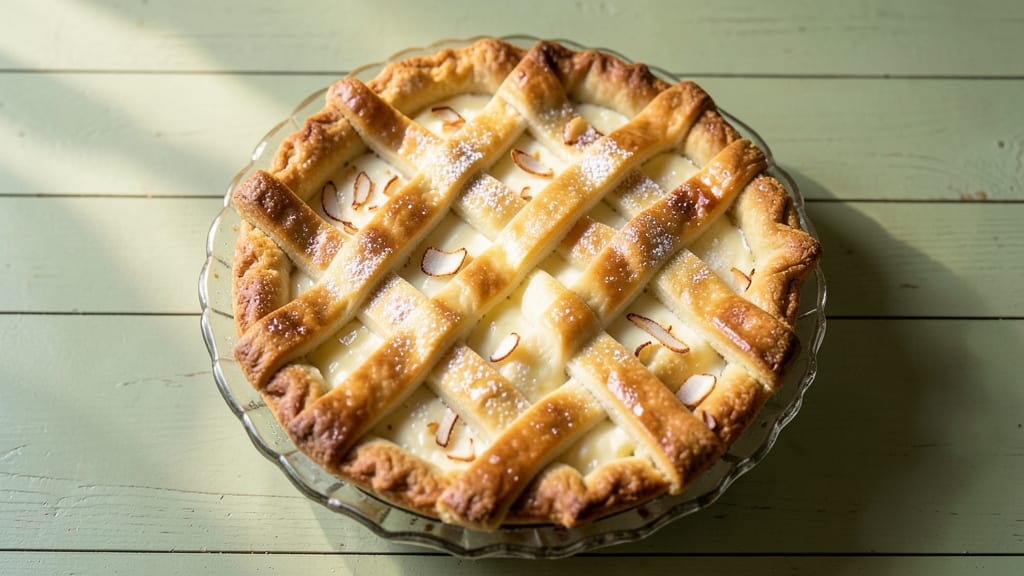
This old-fashioned coconut cream pie recipe delivers the creamy, toasted-coconut perfection that made it a Southern classic—velvety layers that balance rich custard with crunchy coconut topping.
I first made this version after realizing store-bought coconut cream pies lacked that homemade texture, so I recreated my grandmother’s method with precise egg tempering and blind-baked crusts. The secret lies in slow-cooked coconut milk and a toasted coconut topping that adds just the right crunch.
The recipe begins with a foolproof pie crust that stays tender even after baking, then layers a silky coconut custard filling infused with vanilla and nutmeg. What sets this apart is the toasted coconut topping—browned just enough to deepen its flavor without burning.
This isn’t just dessert; it’s nostalgia in a dish, with every slice offering that perfect contrast of creamy and crunchy textures.
By the time you slice into this pie, you’ll taste the difference: no graininess from improperly tempered eggs, no soggy crust from skipped blind-baking, and no artificial coconut flavor. The custard stays velvety, the crust remains flaky, and the toasted coconut adds a sophisticated finish.
It’s the kind of pie that disappears quickly at gatherings, leaving guests asking for seconds.
Perfect for holidays, potlucks, or whenever you crave a taste of tradition. The recipe scales easily, and I’ve included tips for adapting it with coconut milk substitutes if needed. Let’s make a pie that feels like home.
Ingredients for old fashioned coconut cream pie
Classic Southern pantry staples with a few specialty touches for that nostalgic coconut flavor.
| Ingredient | Amount | Notes |
|---|---|---|
| All-Purpose Flour 🌾 | 2 ½ cups | For pie crust, sifted |
| Unsalted Butter 🧈 | 1 cup | Cold, cubed, for crust |
| Ice Water 💧 | ½ cup | Plus extra for kneading |
| Large Eggs 🥚 | 1 whole | For crust, room temperature |
| Coconut Milk 🥥 | 13 ½ oz | Full-fat canned, unsweetened |
| Granulated Sugar 🍚 | 1 ½ cups | For custard filling |
| Cornstarch 🌾 | ¼ cup | For custard thickening |
| Large Egg Yolks 🥚 | 4 whole | Pasture-raised preferred |
| Pure Vanilla Extract 🍯 | 1 tbsp | Bottled or seedless |
| Ground Nutmeg 🌿 | ½ tsp | Freshly grated preferred |
| Salt 🧂 | ½ tsp | Fine sea salt |
| Shredded Coconut 🥥 | 2 cups | Sweetened, unsweetened mix |
| Brown Sugar 🍚 | ¼ cup | Packed, for topping |
| Melted Butter 🧈 | 2 tbsp | For topping binding |
The coconut milk is the heart of this pie—full-fat canned gives the richest texture. Goya or Thai Kitchen brands are my go-to for that authentic taste, but any unsweetened canned coconut milk works. If you're using cartons, reduce the amount by 2 tbsp since they're often watered down. The shredded coconut? Sweetened and unsweetened mix gives the perfect balance of flavor and crunch. For the crust, King Arthur flour makes all the difference—it's higher protein for that tender, flaky texture. Keep everything cold until you're ready to roll out the dough.
No canned coconut milk? Coconut cream from a carton plus extra water works in a pinch—just reduce the water in the custard by 1 tbsp to compensate. Short on egg yolks? Use 3 whole eggs instead, but temper them extra slowly. The nutmeg is non-negotiable—it's what gives that classic Southern flavor. If you can't find ground nutmeg, grate your own from a whole nut. For the crust, if you don't have ice water, chilled water works too, but it might need a few extra minutes to chill. The brown sugar in the topping can be swapped for white sugar plus 1 tsp molasses if that's what you have on hand.
This pie keeps beautifully—3-4 days in the fridge covered tightly. The crust stays flaky when stored properly, and the custard thickens slightly overnight, which is actually better. For serving, I always warm the slices slightly—just 10 seconds in the microwave—to bring out the coconut aroma. The topping hardens as it cools, so let it sit at room temperature for 10 minutes before slicing. Freezes well too—up to 2 months—just thaw overnight in the fridge before serving.
Why You'll Love This Recipe
- I’ll be real: the crust is just flour, butter, and ice water—no rolling pins, no stress. You mix it, press it, and it holds together like a dream, even if my hands are sticky from the coconut milk.
- No-Fuss Crust: I’ll be real: the crust is just flour, butter, and ice water—no rolling pins, no stress. You mix it, press it, and it holds together like a dream, even if my hands are sticky from the coconut milk.
- Tropical Creamy Magic: That coconut milk? Rich, velvety, and just sweet enough. The eggs tie it all together, giving it that old-school texture—smooth but with a whisper of firmness that makes every bite feel special.
- Potluck Star: Between us, this pie travels beautifully. The crust stays sturdy, the filling doesn’t leak, and it’s the kind of dessert that gets passed around until it’s gone. (Yes, even at my brother’s very casual BBQ.)
Step-by-step instructions for old fashioned coconut cream pie
Here's how to create a classic coconut cream pie with a buttery crust and luscious filling.
Prepare the Pie Crust
In a large bowl, combine the 2.5 cups all-purpose flour and 0.5 teaspoon salt. Cut in the 1 cup unsalted butter using a pastry cutter or your fingers until the mixture resembles coarse crumbs with pea-sized butter pieces. This texture is crucial for achieving a flaky crust.
Add the 1 whole large egg and mix gently until the dough begins to come together. Sprinkle in the 0.5 cup ice water one tablespoon at a time, mixing just until the dough forms a cohesive ball. Avoid overworking the dough—handle it only enough to bring it together. Wrap the dough tightly in plastic wrap and refrigerate for at least 30 minutes to firm up.
Make the Coconut Cream Filling
In a medium saucepan, whisk together the 13.5 ounces coconut milk, 1.5 cups granulated sugar, 0.25 cup cornstarch, 4 whole large egg yolks, 1 tablespoon pure vanilla extract, 0.5 teaspoon ground nutmeg, and 0.5 teaspoon salt. Place the saucepan over medium heat and cook, stirring constantly with a wooden spoon, until the mixture thickens enough to coat the back of the spoon, about 5-7 minutes.
Here's the thing—you'll notice the mixture will bubble gently and become slightly translucent. Remove from heat immediately once it reaches this stage to prevent curdling. Let it cool to room temperature, stirring occasionally to maintain a smooth consistency.
Assemble and Bake the Pie
Preheat your oven to 350°F. On a lightly floured surface, roll out the chilled pie crust to a 12-inch circle, about 1/8-inch thick. Transfer the crust to a 9-inch pie dish, pressing gently to fit. Trim any excess dough hanging over the edges. Prick the bottom of the crust with a fork to prevent puffing during baking.
Pour the cooled coconut cream filling into the prepared crust. Bake for 40-45 minutes, or until the filling is set and the crust is golden brown. The edges should look slightly puffed, and the center should be firm to the touch when gently shaken. Let the pie cool completely on a wire rack before adding the topping.
Prepare the Toasted Coconut Topping
In a small saucepan, combine the 2 cups shredded coconut, 0.25 cup brown sugar, and 2 tablespoons melted butter. Cook over low heat, stirring constantly, for 3-5 minutes until the mixture is golden brown and fragrant. This step is where the magic happens—the coconut should be toasted to a rich, caramelized color.
Spread the toasted coconut mixture evenly over the cooled pie filling. Use a spatula to press it gently into the surface, creating an even layer. Let the pie sit at room temperature for at least 1 hour before slicing to allow the topping to set completely. This resting time ensures clean slices and prevents the filling from oozing out.
Pro Tips For Making Old Fashioned Coconut Cream Pie
- CHILL THE COCONUT MILK: After opening a can of coconut milk, pop it in the fridge for at least 2 hours before using—this lets the thick cream rise to the top. Use only the top 2 inches for the pie filling; the watery part below will make your custard thin and sad. (Yes, even if you're impatient like me.)
- WHISK EGGS LIKE YOU MEAN IT: Beat those eggs for a solid 3-4 minutes until the mixture is pale, thick, and ribbons off the whisk. I learned this the hard way—under-whisked eggs lead to a filling that separates or doesn’t set properly. No shortcuts here.
- DON’T OVERMIX THE CRUST: When combining flour, butter, and ice water for the crust, stop mixing the second the dough holds together. Overworking it makes the crust tough and greasy. Press it into the pan gently—no need to force it.
- BAKE THE CRUST FIRST: Blind-bake the crust for 12-15 minutes at 375°F (360°F convection) before adding the filling. A fully pre-baked crust prevents sogginess and ensures the coconut cream stays luscious, not waterlogged. (Skip this, and you’ll regret it.)
Common mistakes when making this dish
Over-Tempering Eggs
I learned this the hard way—when you temper eggs too slowly, they curdle into rubbery lumps instead of silky custard. The key is to heat the coconut milk mixture to 160°F before slowly whisking in the egg yolks in a thin stream.
If you go too fast, the eggs cook unevenly and seize up. I now use a candy thermometer to track the temp precisely. 🌡️
Skipping Blind-Baking
This is where soggy crusts come from. Never skip the 15-minute blind-bake at 350°F with pie weights or dried beans before adding the filling. The crust needs to be fully set to prevent a watery bottom.
I always use a baking sheet as a makeshift weight—just press it into the crust and fill with pie weights or dried beans.
Under-Toasting Coconut
The topping should be golden brown, not just warm. If you rush this step, the coconut stays bland and pasty. Cook it over low heat for 3-5 minutes until deeply fragrant with caramelized edges.
I’ve even used a dry skillet for this—it gives the best color without burning. The aroma alone tells you it’s ready. 🥥
Uneven Filling Distribution
Pouring filling too quickly can cause air bubbles or uneven settling. Instead, ladle it in slowly around the edges, then gently tap the pie dish to level it. I also use a rubber spatula to smooth the surface before baking. This prevents cracks and ensures clean slices later.
Overmixing the Dough
Pie crust dough develops gluten when overworked, leading to tough, chewy results. Mix just until the dough holds together—no need to knead like bread. I use my fingers to gently press the butter into the flour, then add water sparingly.
The dough should feel like cold, wet sand when ready. 🧈
Not Resting the Pie
Cutting into a freshly baked pie is tempting, but the filling needs time to set properly. Let it cool completely on a wire rack, then rest at room temperature for at least 1 hour before slicing.
This prevents the filling from oozing out and gives the topping time to harden slightly for clean cuts.
Nutrition facts
Frequently asked questions
Why does this coconut cream pie need a blind-baked crust?
A blind-baked crust prevents a soggy bottom when the custard filling is poured in. The 15-minute pre-bake at 350°F with weights ensures the crust sets completely before the filling goes in. Without this step, the crust absorbs moisture from the coconut custard, turning limp instead of staying flaky.
Can I make this pie without egg yolks?
Yes, but the texture will be different. Replace the 4 egg yolks with 1/4 cup cornstarch extra and 1/4 cup coconut milk reduced to thicken the custard. For best results, use 1 whole egg instead of yolks and temper carefully to avoid curdling. The pie will still be delicious but slightly less rich.
How do I store leftovers to keep the crust crispy?
Store the pie in an airtight container in the fridge for up to 4 days. To reheat slices, warm them in the microwave for 10-15 seconds to restore the coconut aroma. For longer storage, freeze the pie (without topping) for up to 2 months. Thaw overnight in the fridge before adding the topping.
What's the difference between sweetened and unsweetened coconut in the topping?
Use a 50/50 mix of sweetened and unsweetened shredded coconut for balanced flavor. The sweetened adds caramelized depth while the unsweetened provides natural crunch. If you only have one type, use all unsweetened and add 1 extra tablespoon brown sugar to the topping.
Can I use coconut milk from a carton instead of a can?
Yes, but reduce the amount by 2 tablespoons since carton coconut milk is often watered down. For example, use 13.3 oz instead of 13.5 oz. Also, simmer the carton coconut milk for 2 extra minutes to thicken it properly. The flavor will be slightly milder but still delicious.