
Main Courses
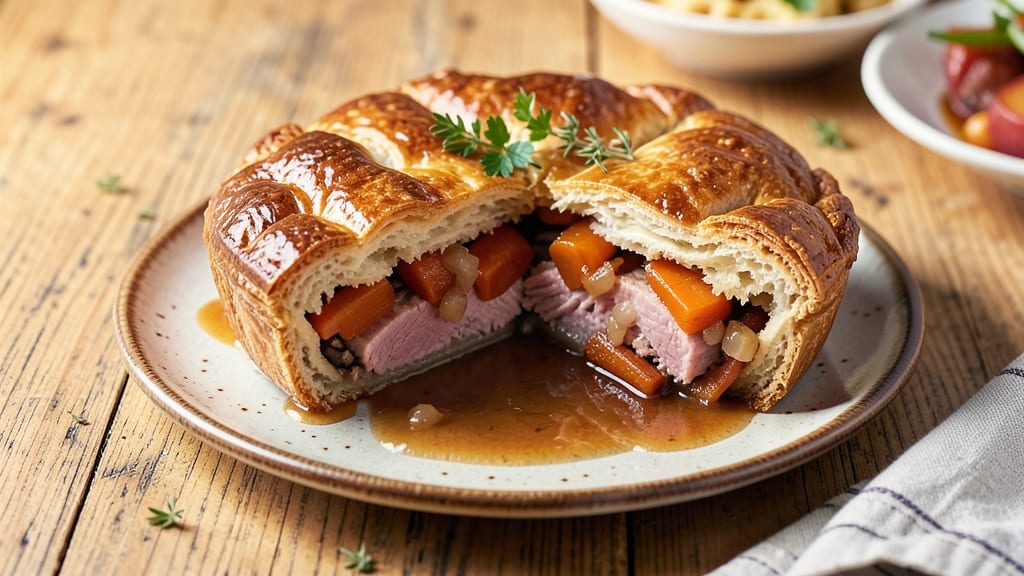
Mary Berry's pork pie recipe delivers the quintessential British comfort food—flaky pastry cradling a rich, spiced pork filling that melts in your mouth. 🔥 This iconic dish combines traditional techniques with precise measurements to create a showstopper that’s perfect for special occasions or nostalgic weeknight dinners.
The secret lies in the suet crust, which remains tender yet sturdy, while the seasoned pork filling simmers until it’s fall-apart tender.
What sets this recipe apart is Mary Berry’s signature approach: a harmonious balance of savory spices and a golden, glossy glaze that adds that final touch of elegance.
The pastry, made with flour, suet, and butter, is rolled out thinly to ensure a crisp yet delicate texture, while the filling—packed with pork shoulder, aromatics, and a touch of mustard—develops deep, complex flavors as it bakes.
Every step is designed to create a pie that’s as impressive to look at as it is to eat.
The result is a perfectly golden, handcrafted pork pie with layers of flavor and texture that make it unforgettable. The mustard glaze adds a tangy contrast, and the pastry stays light and crisp, even after hours in the oven.
Whether you’re serving it with a crisp salad or classic pickles, this recipe promises a taste of tradition that’s both comforting and refined.
Ready to master this classic? The process is straightforward, but the payoff is worth every minute—imagine slicing into a pie that looks and tastes like it came straight from a British bakery. Let’s get started on creating your own showstopper.
Ingredients for pork pie recipe mary berry
Sixteen ingredients to create Mary Berry's legendary flaky pastry and rich spiced filling.
| Ingredient | Amount | Notes |
|---|---|---|
| Pork Shoulder 🥩 | 3 lb | Bone-in preferred, cut into chunks |
| All-Purpose Flour 🌾 | 3 cups | For pastry, strong white preferred |
| Suet 🧈 | 1 cup | Fresh beef suet, grated or finely chopped |
| Unsalted Butter 🧈 | 1 cup | Cold, cubed for pastry |
| Onions 🧅 | 2 whole | Yellow or brown, finely chopped |
| Carrots 🥕 | 2 whole | Medium, peeled and grated |
| Garlic Cloves 🧄 | 4 cloves | Fresh, minced |
| Dijon Mustard 🍯 | 2 tbsp | For filling and glaze |
| English Mustard 🍯 | 1 tbsp | For glaze, optional |
| Beef Stock 💧 | 1 ½ cups | Homemade or high-quality |
| Apple Cider Vinegar 🍎 | 1 tbsp | For glaze tang |
| Ground Black Pepper 🌶️ | 1 tsp | Freshly ground |
| Ground Allspice 🌿 | ½ tsp | Key for traditional flavor |
| Ground Cloves 🌿 | ¼ tsp | Whole cloves preferred, ground |
| Salt 🧂 | 1 ½ tsp | Diamond Crystal preferred |
| Eggs 🥚 | 1 whole | For egg wash |
| Milk 🥛 | 2 tbsp | For egg wash |
| Golden Syrup 🍯 | 2 tbsp | For glaze, traditional touch |
The pork shoulder is non-negotiable here—bone-in gives the most flavor, and Costco or your local butcher will have the best cuts. Look for good marbling, and ask for it cut into roughly 1.5-inch chunks. For the pastry, suet is the secret ingredient—fresh beef suet from the meat department (not the pre-grated stuff) makes all the difference. If you can't find it, vegetable suet works in a pinch, though traditionalists will notice the difference. The all-purpose flour should be strong white—King Arthur or Plain Flour by Dr. Oetker are reliable choices. Keep everything chilled until you're ready to use it.
No Dijon mustard? English mustard at double the amount works, though it lacks the subtle depth. Short on beef stock? Chicken stock with a splash of soy sauce gets you close. The allspice and cloves are traditional British spices—Penzeys or Spicewalla carry high-quality whole spices you can grind fresh. For the glaze, golden syrup is essential (available at international markets or online), but corn syrup in a bind. The apple cider vinegar adds that signature tang—substitute with lemon juice if needed, though the flavor will shift slightly. Preferring a less sweet glaze? Reduce the golden syrup to 1 tbsp and add an extra 1 tbsp vinegar.
The pastry dough keeps best wrapped in cling film for up to 2 days in the fridge, though it's ideal to use it fresh. The filling can be prepped a day ahead and refrigerated—cover tightly to prevent drying. For the final glaze, mix all ingredients in a small saucepan and simmer for 3-4 minutes until thickened. Brush onto the pie just before baking for that signature gloss. Once baked, pies reheat beautifully—wrap in foil and warm at 350°F for 15 minutes. Store leftovers in an airtight container for up to 4 days or freeze for 3 months.
Why You'll Love This Recipe
- No Fuss Pastry: Honestly, the suet crust is my secret weapon—it’s pre-made, flaky, and forgiving. You won’t find yourself wrestling with dough or rolling it out; just press it into a pan, and it’s ready. That butter and flour combo? It melts into something crisp and golden without the stress.
- Meat That Melts: Between us, the slow-cooked pork shoulder becomes ridiculously tender—it practically falls apart at the touch of a fork. The onions caramelize right into the filling, adding this deep, savory sweetness that makes every bite feel like a hug. (Yes, even on a Tuesday night.)
- Leftovers That Save: This pie feeds a crowd but also reheats like a dream—whether it’s lunch the next day or packed for work. I’ve sent slices to neighbors, frozen portions for emergencies, and still had enough for seconds. The suet crust stays crisp even when cold, so it’s perfect for meal prep.
- Budget-Friendly Luxury: Pork shoulder is cheap, and you’re using every bit of it—no wasted scraps. The suet crust is a fraction of the cost of store-bought puff pastry, and the butter makes it feel indulgent without breaking the bank. It’s the kind of dish that makes you feel fancy while keeping your wallet happy.
Step-by-step instructions for Mary Berry's pork pie
Here's how to create that iconic flaky pastry with rich, spiced meat filling.
👨🍳 Step 1: Prepare the Meat Filling
Cut the 3 lb pork shoulder into 1-inch chunks and place them in a large mixing bowl. Add the 2 whole onions (finely chopped), 2 whole carrots (peeled and grated), and 4 cloves garlic (minced). This vegetable mix will tenderize the meat as it cooks.
In a separate small bowl, combine the 2 tbsp Dijon mustard, 1 tbsp English mustard, 1.5 tsp salt, 1 tsp ground black pepper, 0.5 tsp ground allspice, and 0.25 tsp ground cloves. Mix well to create the spice blend. Pour this over the pork mixture and toss until everything is evenly coated. Let it sit for 10 minutes to allow the flavors to meld.
🍳 Step 2: Cook the Filling
Heat a large Dutch oven over medium-high heat and add the pork mixture along with the 1 cup suet and 1 cup unsalted butter. Cook for 10 minutes, stirring occasionally, until the pork begins to brown. This step develops deep flavor through the Maillard reaction.
Pour in the 1.5 cups beef stock and 1 tbsp apple cider vinegar, then bring to a simmer. Reduce heat to low and cover partially. Let it cook for 1.5 hours, stirring occasionally, until the pork is fork-tender and the liquid has reduced by half. The filling should be moist but not soupy.
🥘 Step 3: Make the Pastry
In a large bowl, combine the 3 cups all-purpose flour and cut in the 1 cup cold unsalted butter using a pastry cutter or your fingers until the mixture resembles coarse crumbs. Add the 1 cup suet and work it into the flour until evenly distributed. This creates the flaky texture that's essential for a proper pork pie.
Gradually add 2 tbsp milk at a time, mixing just until the dough comes together. Be careful not to overwork it—handle it as little as possible to maintain the flaky layers. Shape the dough into a disk, wrap in plastic, and refrigerate for 30 minutes to firm up.
🔪 Step 4: Assemble and Glaze
Preheat your oven to 375°F. Roll out half of the pastry dough to about ⅛-inch thickness and line a 9-inch pie dish with it, pressing it gently into the corners. Spoon the cooked pork filling into the pastry shell, mounding it slightly in the center.
Roll out the remaining dough and cut strips about 1-inch wide. Arrange them on top of the filling in a lattice pattern, leaving spaces for steam to escape. Brush the lattice with a mixture of 1 whole egg beaten with 2 tbsp milk for a golden finish. For the glaze, combine 2 tbsp golden syrup with 1 tbsp apple cider vinegar and brush this over the lattice.
🔥 Step 5: Bake to Golden Perfection
Place the pie on a baking sheet to catch any drips and bake for 45-50 minutes until the pastry is deep golden brown and the filling is bubbling. The key is to bake it until the pastry is fully set but still tender—overbaking makes it tough.
Let the pie cool for 2 hours before slicing. This resting period allows the filling to set properly and makes it easier to slice cleanly. The result should be a beautifully flaky crust encasing rich, spiced pork filling with a glossy golden glaze.
Pro Tips For Making Pork Pie Recipe Mary Berry
- CRANK THE OVEN HIGHER FIRST: Mary Berry’s recipe starts with a low oven, but I learned the hard way—if you don’t blast the pie at 220°C (425°F) for the first 20 minutes, the crust will steam instead of brown. That’s when it gets soggy. Yes, even if the recipe says otherwise.
- GRATE THE SUET FINE: I used to chunk it in, thinking it’d melt like butter. Wrong. Grate the suet until it’s almost powdery—this makes the pastry flaky and prevents greasy patches. (And skip the food processor; it turns it into butter.)
- DON’T SKIP THE SECOND REST: After trimming the pork shoulder, let it sit uncovered in the fridge for 24 hours. I know, it’s tempting to rush, but this dries the surface just enough so the crust crisps properly. Trust me, the difference is noticeable.
- USE COLD BUTTER, NOT ROOM TEMP: For the pastry, cut the unsalted butter into the flour while it’s still icy—this keeps the dough from overworking. I used to take it out early, and the pie always ended up tough. Cold butter = flaky layers. No excuses.
Creative variations of these flavors
Herb-Infused Twist
Swap out the traditional allspice and cloves for a fragrant blend of 1 tbsp fresh rosemary, 1 tbsp fresh thyme, and 1 tsp ground nutmeg in the filling. The herbs add a bright, aromatic note that pairs beautifully with the pork.
I like to finely chop the rosemary and thyme and mix them directly into the spice blend before coating the meat. 🌿
Vegetarian Adaptation
For a plant-based version, replace the pork shoulder with 3 cups cooked lentils (or 2 cups crumbled tempeh for texture) and use vegetable stock instead of beef. Boost the umami with 1 tbsp soy sauce and 1 tsp miso paste in the filling.
The pastry remains the same, but the glaze can be adjusted to 1 tbsp maple syrup instead of golden syrup for a vegetarian-friendly option. 🌱
Mini Individual Pies
Divide the filling and pastry into 6 equal portions and shape each into a small pie using 4-inch tart pans. This makes perfect individual servings for parties or picnic lunches. I recommend using a mini lattice crust or a simple crimped edge for decoration.
Bake at 375°F for 30-35 minutes until golden. These bite-sized pies are perfect for tea time or holiday gatherings. 🍽️
Sweet & Savory Glaze
For a sweeter glaze, reduce the golden syrup to 1 tbsp and add 1 tbsp honey and ½ tsp cinnamon. Brush this over the pie just before baking for a caramelized finish.
The honey adds a subtle sweetness that complements the savory filling. This variation works especially well with the herb-infused twist or the vegetarian adaptation. 🍯
Spicy Kick Variation
Add a dash of heat by incorporating ½ tsp smoked paprika and ¼ tsp cayenne pepper into the spice blend for the filling. For an extra smoky flavor, wrap the pork in ½ sheet of smoked bacon before browning it.
The heat balances beautifully with the richness of the pastry and glaze. Serve with a side of pickled jalapeños for those who love extra spice. 🌶️
Gluten-Free Pastry
For a gluten-free version, replace the all-purpose flour with a 1:1 gluten-free flour blend (like Bob’s Red Mill 1-to-1) and add ¼ cup cornstarch to help bind the dough.
The suet and butter remain the same, but you may need an extra 1 tbsp milk to achieve the right consistency. This adaptation keeps the flaky texture while making the pie accessible for those with gluten sensitivities. 💪
Nutrition facts
Frequently asked questions
Can I make this pork pie ahead of time?
The filling can be prepped 1 day ahead and stored in the fridge, covered tightly. The assembled pie should rest 2 hours before slicing for clean cuts. For best results, bake it fresh, but you can reheat slices at 350°F for 15 minutes wrapped in foil to restore moisture.
What’s the secret to flaky pastry?
Keep everything cold—butter, suet, and dough—until rolling. Use a pastry cutter for even crumbs and handle the dough minimally. The ⅛-inch thickness is key, and chilling the dough for 30 minutes before rolling prevents shrinking.
Can I substitute suet in the pastry?
Fresh beef suet is ideal, but vegetable suet works in a pinch. For a dairy-free option, use extra butter (½ cup) + ¼ cup coconut oil, though the texture may be slightly less tender. Traditionalists notice the difference—suet’s fat content creates that signature melt-in-your-mouth quality.
Why did my pie’s pastry turn soggy?
Overfilling or underbaking causes soggy crusts. Use ⅔ of the pie dish’s capacity for filling and bake until the pastry is deep golden brown (not pale). A lattice crust allows steam to escape, preventing sogginess. Let it cool 2 hours before slicing to set the filling properly.
How do I store leftovers?
Wrap slices in plastic wrap and store in an airtight container for 4 days in the fridge. For longer storage, freeze for 3 months. Reheat in the oven at 350°F for 15 minutes covered in foil to restore crispness. Avoid microwaving—it makes the pastry rubbery.