
Desserts
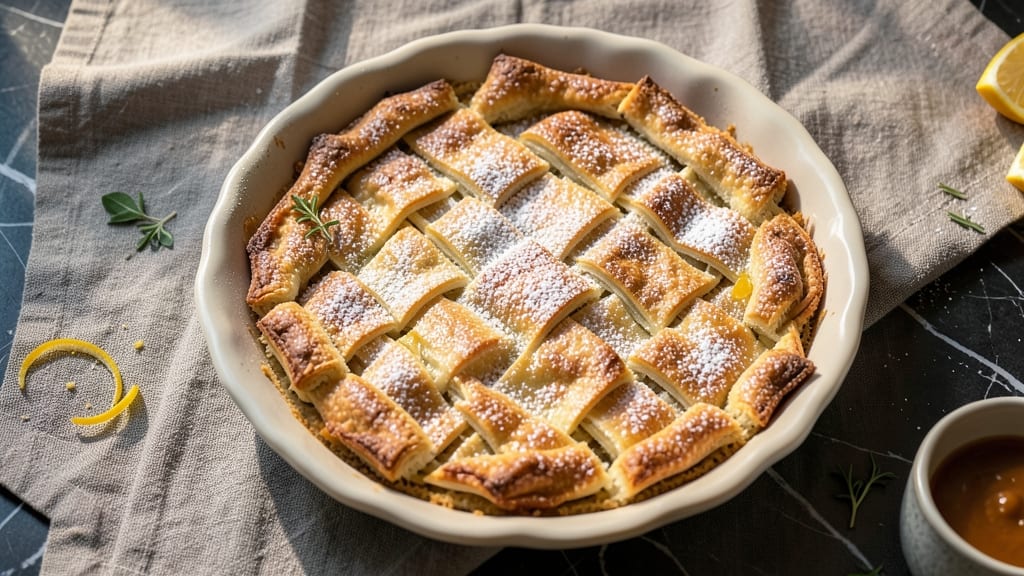
This potato flour pie crust recipe delivers the flakiest, most foolproof crust you'll ever make—no shrinking, no cracking, just perfect layers every time. The secret lies in potato flour's natural starch, which creates a tender yet sturdy lattice that holds up to both sweet and savory fillings.
I developed this after years of struggling with traditional crusts that either turned tough or disappeared into the filling.
What sets this crust apart is the foil-sealing technique, which locks in moisture and prevents that dreaded "soggy bottom" while ensuring even baking. The process is surprisingly simple: just mix the dry ingredients, cut in cold butter until pea-sized, then chill before rolling.
The potato flour adds a subtle earthy sweetness that pairs beautifully with fruit pies, quiches, or even savory galettes.
By the time you pull it from the oven, you'll have a golden, crisp-edged crust with layers so delicate they practically melt in your mouth. The texture is a perfect balance—crisp enough to hold its shape but tender enough to contrast beautifully with creamy fillings.
This is the kind of crust that makes you feel like a professional baker, even on weeknights.
The best part? This recipe scales effortlessly for any pie size, from single-serving tarts to family-size pies. Whether you're making a classic apple pie, a rich chocolate cream pie, or a savory chicken pot pie, this crust delivers consistent, restaurant-quality results. Let's get started on mastering it.
Ingredients for potato flour pie crust
Eight ingredients, one game-changing crust—flaky layers that won't shrink or crack!
| Ingredient | Amount | Notes |
|---|---|---|
| Potato Flour 🥔 | 1 ½ cups | High-quality, finely milled preferred |
| All-Purpose Flour 🌾 | ½ cup | For structure and stability |
| Unsalted Butter 🧈 | ¾ cup | Cold, cubed into pea-sized pieces |
| Ice Water 💧 | ¼ cup | Chilled for binding |
| Diamond Crystal Kosher Salt 🧂 | ½ tsp | Fine grain preferred |
| Granulated Sugar 🍚 | 1 tbsp | Balances earthy potato flavor |
| Heavy Cream 🥛 | 2 tbsp | For brushing crust (optional) |
| Aluminum Foil 📄 | 1 sheet | For sealing technique |
| Large Egg 🥚 | 1 whole | Optional for egg wash |
Potato flour is the star here, and Bob's Red Mill or Anthony's Goods make the best stuff—look for finely milled, no lumps. The butter needs to stay cold, so pull it straight from the fridge and cut it into those perfect pea-sized pieces. I always use Plugrá brand butter because it's consistently high-quality. For the flour, if you can't find potato flour, arrowroot powder works in a pinch, but it won't give quite the same tender texture. The foil is non-negotiable—heavy-duty aluminum foil prevents leaks and ensures even baking.
No potato flour? Arrowroot powder or cornstarch can substitute at the same amount, but expect slightly less flakiness. Short on butter? Coconut oil or vegan butter works, but chilled is key—don't skip the cold factor. The egg wash is optional, but heavy cream brushed on top gives that golden finish without adding moisture. For a vegan version, use plant-based milk or aquafaba instead of egg. The sugar is subtle but balances the earthiness—don't skip it if you're using fruit fillings.
This crust keeps beautifully—wrap tightly in foil and store in the fridge for up to 4 days. For longer storage, freeze the unrolled dough between parchment paper for up to 3 months. The foil-sealing trick means you can pull it straight from the freezer into a hot oven. I always make extra dough and freeze it—perfect for last-minute pies. Just let it thaw in the fridge overnight before rolling.
Why You'll Love This Recipe
- No-Fuss Assembly: I swear by this crust because it’s basically foolproof—just mix, chill, roll. The potato flour gives it that tender bite without the fuss of piecing together flaky layers, and honestly? My first attempt was lumpy, but now I don’t even measure the ice water—I just eyeball it.
- Buttery, Golden Crisp: That crispy edge with the creamy center? Chef’s kiss. The butter-to-flour ratio here is spot-on, and the potato flour adds a subtle sweetness that makes it way more interesting than your average crust. (Yes, even on a Tuesday night.)
- Double-Duty Crust: I use this for pies, of course, but also as a quick tart base or even a savory galette crust. It’s my go-to when I’m prepping ahead—freezes like a dream and thaws in minutes. My daughter picks out the leftover scraps, but still asks for seconds.
- Budget-Friendly Magic: Potato flour stretches my dollar—it’s cheaper than pre-made crusts and uses less butter than traditional recipes. Plus, the salt balance means I don’t need extra seasoning in fillings. Between us, this is how I feed a crowd without breaking the bank.
Step-by-step instructions for potato flour pie crust
Here's how to craft a flaky, foolproof crust that stays crispy—no shrinking or soggy surprises!
Mix the Dry Ingredients with Cold Butter
In a large mixing bowl, combine the 1.5 cups potato flour and 0.5 cup all-purpose flour. Add the 0.5 tsp Diamond Crystal kosher salt and 1 tbsp granulated sugar, whisking until evenly distributed. This blend gives you that signature potato flavor while keeping the structure stable.
Cut in the 0.75 cup unsalted butter (cold and cubed) using a pastry cutter or your fingers. Work quickly but gently—you want pea-sized butter pieces distributed throughout the flour. If the mixture starts to clump, break it up with your fingers. The goal is to create a crumbly texture that resembles coarse sand, which is essential for that flaky final result.
Gradually Add Ice Water for Binding
Slowly drizzle in the 0.25 cup ice water, one tablespoon at a time, while mixing with a fork. The water should be ice cold to prevent the butter from melting prematurely. Stop mixing as soon as the dough begins to come together—you don’t want to overwork it. The dough should hold when pressed but still feel slightly crumbly.
If it feels too dry, add another teaspoon of ice water. Too wet? Sprinkle in a little more potato flour. The ideal consistency is like wet sand that holds when squeezed but doesn’t stick to your fingers. This balance is key to preventing a tough crust.
Shape and Chill the Dough
Turn the dough onto a lightly floured surface and gently shape it into a 1-inch-thick disk. Wrap it tightly in the 1 sheet aluminum foil and refrigerate for at least 30 minutes. Chilling firms up the butter, which prevents the crust from shrinking during baking. This step is non-negotiable—skipping it will lead to a dense, sad pie shell.
While the dough chills, preheat your oven to 375°F. This temperature is perfect for achieving that golden, crispy finish without over-browning. The foil wrap keeps the dough from drying out, making it easier to roll out later.
Roll and Line the Pie Dish
Remove the dough from the fridge and unwrap it. On a lightly floured surface, roll the dough into a 12-inch circle, about 1/8-inch thick. Gently transfer it to a 9-inch pie dish, letting the edges drape slightly over the sides. This extra dough will help create a sturdy, flaky rim.
Press the dough gently into the dish, using your fingers to smooth it out. Trim any excess dough hanging over the edges, leaving about 1/2-inch to fold inward. This creates a decorative edge that bakes up beautifully. The key here is to avoid stretching the dough—just press it gently into place.
Seal, Blind-Bake, and Finish
Fold the excess dough inward to form a rim, then crimp the edges with your fingers or a fork. Brush the crust with the 2 tbsp heavy cream (or beaten 1 whole large egg if using an egg wash) for a golden finish. Place a second sheet of aluminum foil over the crust and fill it with pie weights or dried beans to prevent shrinking.
Bake for 25-30 minutes until the crust is golden brown and firm to the touch. Remove the weights and foil, then bake for another 5-7 minutes until the edges are fully set. The crust should be crispy and hold its shape—no shrinking or puffing! Let it cool slightly before filling to avoid a soggy bottom.
Pro Tips For Making Potato Flour Pie Crust
- Chill the Butter First: Potato flour crusts hate warm butter—it melts into a greasy mess before you even roll it out. Cut that butter into ¼-inch cubes and pop it in the freezer for 10 minutes. Cold butter = flaky layers, not a sad, soggy blob.
- Mix Dry Ingredients Last: I used to toss everything in at once, and the potato flour would clump like glue. Instead, whisk the all-purpose flour and salt first, then fold in the potato flour after cutting in the butter. This keeps the texture light and prevents a dense, gummy crust.
- Don’t Overwork the Dough: Potato flour is finicky—handle it like it’s made of glass. Once you’ve mixed in the ice water, stop. Just stop. Overmixing turns the crust into a chewy disaster. Two turns with a fork is all it needs; knead only if absolutely necessary.
- Use Ice Water, Not Cold: Cold water from the tap won’t cut it. Fill a glass bowl with ice cubes and water, let it sit for 5 minutes, then use that slushy mix. The coldest water prevents the potato flour from activating too soon, so your crust stays crisp, not rubbery. (Yes, even if you’re impatient like me.)
Creative variations of these flavors
Sweet vs. Savory
This crust shines equally in sweet and savory pies. For apple or berry pies, the potato flour's subtle sweetness enhances fruit flavors without overpowering them. I love brushing the baked crust with a light honey glaze (mix 1 tbsp honey with 1 tsp water) before adding filling.
For savory quiches or pot pies, the earthy potato flavor complements cheeses and meats beautifully—try a spinach and feta filling with a sprinkle of crumbled goat cheese on top before baking.
Gluten-Free Adaptation
Swap the 0.5 cup all-purpose flour for a 1:1 gluten-free flour blend like Bob's Red Mill 1-to-1 to keep the crust sturdy. The potato flour already provides natural binding, so no extra xanthan gum is needed.
Chill the dough an extra 15 minutes to compensate for the lighter structure. This version works perfectly for pumpkin or key lime pies, where texture matters most.
Herb-Infused Crust
Add 1 tbsp fresh rosemary or thyme (finely chopped) to the dry ingredients for a fragrant twist. For savory galettes, mix in 1 tsp garlic powder and ½ tsp onion powder—this pairs wonderfully with mushroom and caramelized onion fillings.
For a herb crust, brush the baked shell with melted butter mixed with 1 tsp dried thyme before adding filling. The herbs infuse beautifully during baking.
Crust for Tarts
This dough works perfectly for mini tart shells too! Divide the dough into 6 equal pieces, roll each into a 4-inch circle, and press into greased muffin tins. Blind-bake at 375°F for 12-15 minutes until firm.
Fill with goat cheese and honey, chocolate ganache, or spiced nutella for individual servings. The potato flour keeps the crust tender even when baked in small batches.
Spiced Variations
For fall pies, mix ½ tsp cinnamon and ¼ tsp nutmeg into the dry ingredients. A pumpkin pie with this crust has extra warmth without needing extra spices.
For holiday pies, add ½ tsp ground ginger and a pinch of clove—the crust becomes a flavorful base for pecan or sweet potato fillings. The spices blend seamlessly into the potato flour's natural earthiness.
Freezer-Friendly Dough
Make a double batch and freeze half! Roll the dough into a log, wrap tightly in plastic wrap and aluminum foil, then freeze for up to 3 months. Thaw in the fridge overnight before rolling.
This is perfect for last-minute pies—just roll, fill, and bake. I always keep a backup crust on hand for holiday gatherings** when time is tight. The foil-sealing trick ensures the dough stays workable even after freezing.
Nutrition facts
Frequently asked questions
Can I substitute potato flour with another type of flour?
You can use arrowroot powder or cornstarch in a 1:1 ratio, but the texture won't be quite as flaky. The potato flour's natural starch creates that signature tender yet sturdy structure. For a gluten-free version, replace the all-purpose flour with a 1:1 gluten-free blend like Bob's Red Mill 1-to-1.
Why does my crust shrink or puff up in the oven?
Skipping the 30-minute chill is the #1 cause! Cold butter prevents shrinking, so always wrap the dough in foil and refrigerate. If it puffs, the oven might be too hot—stick to 375°F and use the foil-sealing technique with pie weights. Preheating the dish for 5 minutes before adding dough also helps.
How do I prevent a soggy bottom in fruit pies?
Pre-bake the crust for 25-30 minutes with weights, then cool completely before adding filling. For extra insurance, sprinkle the bottom with 1 tbsp cornstarch or crushed graham crackers. The potato flour's moisture content is higher than traditional crusts, so this step is especially important.
Can I make this crust ahead of time?
Wrap the shaped dough in foil and store it in the fridge for up to 4 days or freeze for 3 months. Thaw overnight in the fridge before rolling. The foil-sealing method keeps it fresh—just unwrap, roll, and bake as directed. Perfect for meal prep!
What's the best way to handle the dough if it's too sticky?
Add 1 tbsp more potato flour at a time until it holds together when pressed. If it's too dry, sprinkle 1 tsp ice water while mixing. Work quickly—warm hands can melt the butter. The dough should be like "wet sand" that holds when squeezed but doesn't stick to your fingers.