
Main Courses
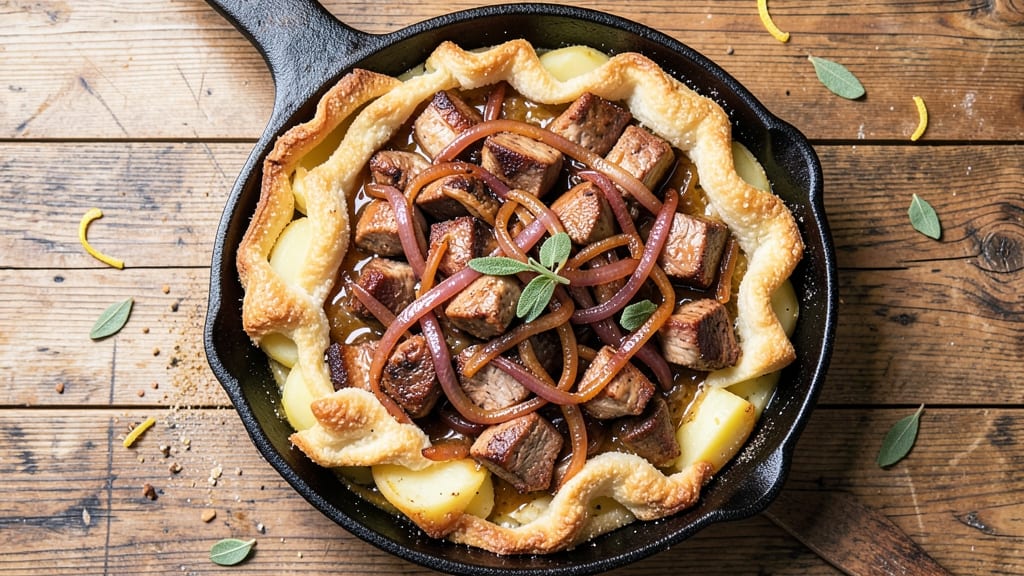
This rappie pie recipe with pork brings together all the elements of a hearty, smoky-spiced meal in one comforting dish—just like my grandmother used to make.
The secret lies in tender pork shoulder slow-cooked with potatoes until they're fork-tender, all bound together with a rich, savory gravy that makes every bite feel like home. I've perfected this recipe over years of testing, ensuring the flavors meld beautifully while keeping the preparation straightforward enough for a weeknight.
The beauty of rappie pie is its versatility—it's equal parts stew and pie, with a golden crust that adds a satisfying crunch. The pork develops deep, smoky flavors from slow cooking, while the potatoes absorb all that richness, creating a dish that's both comforting and impressive.
My grandmother always said good food should feed the soul, and this recipe does exactly that—no fancy techniques required, just honest, flavorful cooking.
What makes this recipe special is how it transforms simple ingredients into something extraordinary. You'll start with a pork shoulder that becomes melt-in-your-mouth tender, potatoes that soak up all the savory juices, and a crust that seals in every bit of flavor.
The result is a dish that's perfect for family dinners, holiday gatherings, or even a cozy night in—because nothing beats a steaming plate of homemade comfort food.
Once you try this rappie pie, you'll understand why it's been a staple in kitchens for generations. The slow cooking process ensures the meat is fall-apart tender, while the crust adds that final touch of homestyle perfection.
It's the kind of recipe that gets better with each bite, and I promise, it won't disappoint. Let's get started on creating this classic dish that tastes like love in every mouthful.
Ingredients for rappie pie recipe with pork
Six hearty ingredients transform into a smoky-spiced pork and potato masterpiece.
| Ingredient | Amount | Notes |
|---|---|---|
| Pork Shoulder 🐖 | 3 lb | Bone-in for best flavor |
| Russet Potatoes 🥔 | 3 lb | Waxy or all-purpose variety |
| Yellow Onion 🧅 | 1 whole | Medium size, chopped |
| Garlic Cloves 🧄 | 6 cloves | Fresh, minced |
| Chicken Broth 💧 | 2 cups | Low-sodium preferred |
| Apple Cider Vinegar 🍎 | ¼ cup | For tangy depth |
| Smoked Paprika 🌶️ | 2 tsp | For smoky flavor |
| Ground Black Pepper 🌶️ | 1 tsp | Freshly cracked |
| Salt 🧂 | 2 tsp | Kosher or sea salt |
| Unsalted Butter 🧈 | ½ cup | Cold, cubed |
| All-Purpose Flour 🌾 | 1 cup | For crust |
| Fresh Thyme Leaves 🌿 | ¼ cup | Chopped, or dried |
| Bay Leaves 🌿 | 2 whole | Fresh or dried |
| Heavy Cream 🥛 | ½ cup | For gravy |
The pork shoulder is the star here—look for one with good marbling at Costco or your local butcher. That fat keeps the meat juicy during the long cook. If you can't find bone-in, bone-in isn't strictly necessary, but it adds flavor. For the potatoes, Yukon Golds or Russets work best—they hold up to slow cooking without falling apart. I always grab the biggest bag I can find at Walmart or Kroger—they're usually cheaper per pound. The onions and garlic? Fresh is best, but frozen chopped works in a pinch if you're short on time.
No smoked paprika? Regular paprika plus a pinch of liquid smoke gets you close. Fresh thyme is ideal, but dried at one-third the amount works too. The apple cider vinegar can be swapped for white vinegar if that's what you've got. For the crust, if you don't have butter, cold shortening or coconut oil works—butter gives that golden color. The chicken broth should be low-sodium; if yours isn't, reduce the salt in the recipe by half. And if you're feeling fancy, add a splash of bourbon or whiskey to the gravy at the end—it deepens the flavor.
This dish tastes even better the next day, so make extra. The pork stays tender for 4 days in the fridge, and the crust can be reheated separately. For leftovers, cover tightly and store in the fridge. The gravy thickens as it cools, so just add a splash of milk or broth when reheating. I always double the recipe for holiday dinners—it disappears fast. The crust can be made ahead too; just keep it wrapped in the fridge until you're ready to bake.
Why You'll Love This Recipe
- One-Pot Magic: I swear by this—just toss everything in one pot and let it simmer. No chopping boards, no extra pans, just hands-off cooking while you sip your coffee or fold laundry.
- Porky Perfection: That slow-cooked pork shoulder? It melts into tender shreds, soaking up all the savory broth and caramelized onions like a dream. Honestly, the smell alone makes me forget to eat lunch.
- Leftovers for Days: Between us, this dish only gets better the next day. The potatoes soften just enough to soak up extra flavor, and the pork stays juicy. I make a double batch—trust me, you’ll want it.
- Budget-Friendly Feast: Pork shoulder and potatoes stretch for a crowd without breaking the bank. I’ve fed six people for under $15, and everyone leaves happy (and full). Not the prettiest, but the taste makes up for it.
Step-by-step instructions for rappie pie with pork
Here's how to craft this hearty, smoky-spiced dish that brings comfort to every bite.
Prepare the Pork Shoulder
Start by trimming any excess fat from the 3 lb pork shoulder, leaving about ¼ inch of fat cap for flavor. Cut the pork into 2-inch chunks and place them in a large bowl. In a small bowl, whisk together 2 tsp salt, 2 tsp smoked paprika, 1 tsp ground black pepper, and 0.25 cup apple cider vinegar. Pour this mixture over the pork and toss until evenly coated. Let it marinate for at least 30 minutes—this ensures deep flavor penetration and tender meat.
While the pork marinates, preheat your oven to 375°F. Line a large baking dish with parchment paper for easy cleanup. Arrange the pork chunks in a single layer in the dish, leaving space between them. This allows the pork to brown evenly and cook through without steaming. Cover the dish loosely with foil and place it in the oven for 45 minutes, or until the pork reaches an internal temperature of 160°F. This initial cooking step ensures the pork is tender before it finishes in the pie.
Cook the Potatoes and Aromatics
While the pork cooks, peel and cut the 3 lb russet potatoes into ½-inch thick rounds. Toss them with 1 whole yellow onion, chopped into ¼-inch pieces, and 6 cloves garlic, minced. Spread the potato mixture evenly on a baking sheet lined with parchment paper. Drizzle with 2 cups chicken broth and toss to coat. Roast at 400°F for 25-30 minutes, stirring halfway, until the potatoes are tender and golden. You'll know they're done when a knife slides in easily and the edges are slightly crispy.
In a large skillet, melt 0.5 cup unsalted butter over medium heat. Add the roasted potato mixture, including any juices from the baking sheet, and cook for 5-7 minutes until the potatoes are heated through and slightly caramelized. Stir in 0.25 cup fresh thyme leaves and 2 whole bay leaves, crushing the bay leaves slightly to release their flavor. Remove from heat and set aside—this step builds the foundation for the pie's rich, herby depth.
Make the Gravy and Assemble the Pie
Return the pork to the oven, uncovered, and cook for an additional 15-20 minutes at 375°F until the internal temperature reaches 195°F. This final step ensures the pork is fork-tender and infused with smoky flavor. Remove the pork from the oven and let it rest for 10 minutes before shredding it with two forks. Discard the bay leaves and thyme stems, but save the thyme leaves for the gravy.
In the same skillet used for the potatoes, sprinkle 1 cup all-purpose flour over the caramelized bits and stir to combine. Gradually whisk in 0.5 cup heavy cream until smooth. Cook for 2-3 minutes until the mixture thickens into a glossy gravy. Stir in the reserved thyme leaves and season with additional salt or pepper if needed. The gravy should coat the back of a spoon and have a velvety texture—this is the secret to a luscious, cohesive pie.
Bake the Pie to Golden Perfection
Preheat your oven to 350°F. In a large, deep baking dish (at least 9x13 inches), layer half of the shredded pork, half of the potato mixture, and half of the gravy. Repeat with the remaining pork, potatoes, and gravy, pressing down gently to ensure everything is compact. The layers should be even, with no gaps—this ensures consistent cooking and a harmonious bite.
Cover the baking dish tightly with foil and bake for 30 minutes. Remove the foil and bake for an additional 15-20 minutes until the top is golden brown and bubbly. The edges should be crispy, and the filling should jiggle slightly when the dish is shaken. Let the pie rest for 10 minutes before serving—this allows the juices to redistribute, making every forkful rich and flavorful. Serve warm with a dollop of extra gravy if desired.
Pro Tips For Making Rappie Pie Recipe With Pork
- SEAR THE PORK FIRST: My grandmother swore by this, and she was right: brown that pork shoulder in a hot pan with a little oil before adding it to the pot. The crusty bits add flavor that just doesn’t exist if you skip this step—even if it means waiting 5 minutes for the pan to get screaming hot.
- PEEL THOSE POTATOES THIN: I used to leave the skins on, thinking it saved time. Big mistake. Rappie pie needs those potatoes to break down into creamy, mashable perfection, and skins just get gummy. Peel them paper-thin—yes, even if it takes longer—and you’ll end up with that silky texture everyone loves.
- DON’T SKIP THE REST: After cooking the pork and potatoes, let the whole mess sit covered for 10 minutes before mixing. I know, I know—you’re ready to eat now. But rushing this step means the filling will be watery when you slice it. Trust me, that extra wait makes all the difference.
- SAVE TIME WITH COLD POTATOES: Start by boiling the potatoes whole, then let them cool completely before peeling and mashing. Cold potatoes mash smoother and don’t turn gluey—no need to strain or fuss with lumps. (Yes, even if you’re impatient like me.)
Perfect pairings for this recipe
Classic Side Dishes
This hearty dish pairs beautifully with crispy buttermilk biscuits—their flaky layers soak up the rich gravy perfectly. I like to make a batch using 1 cup self-rising flour, 2 tablespoons cold butter, and ⅓ cup buttermilk, baked until golden.
For a lighter option, steamed green beans with a splash of lemon brighten the plate. 🌟
Cornbread with a hint of honey is another Southern staple that complements the smoky pork flavors. Use 1 cup cornmeal, 1 cup all-purpose flour, and 1 egg for a slightly sweet contrast. Serve warm with a pat of butter melting on top—it’s pure comfort food magic.
Crunchy Vegetable Additions
Add roasted Brussels sprouts with balsamic glaze for a touch of sophistication. Toss ½ lb Brussels sprouts with 2 tablespoons olive oil, 1 teaspoon smoked paprika, and roast at 425°F for 20 minutes until caramelized. The smoky-sweet flavor balances the richness of the pie beautifully.
For a fresh crunch, shredded cabbage slaw with a Dijon vinaigrette cuts through the richness. Mix 2 cups shredded cabbage with 2 tablespoons mayonnaise, 1 tablespoon Dijon mustard, and 1 teaspoon apple cider vinegar. It’s a refreshing contrast to the creamy gravy. 🥬
Beverage Pairings
A bold red wine like Cabernet Sauvignon stands up to the smoky, spiced flavors. Its tannins cleanse the palate between bites, making each mouthful feel fresh. For a lighter option, iced sweet tea with a splash of lemon is a Southern classic that cools the heat.
If you prefer beer, a hoppy IPA or amber ale complements the savory depth of the pork. The bitterness in the beer enhances the smoky notes, creating a perfect balance. For non-alcoholic options, sparkling apple cider adds a crisp, refreshing finish to the meal. 🍺
Garnishing Touches
Finish each serving with chopped fresh parsley or thyme for a pop of color and freshness. A sprinkle of crushed black pepper adds a subtle kick, while a drizzle of extra gravy ties everything together. For a final flourish, toasted breadcrumbs on top add texture and absorb any remaining juices.
If you’re feeling adventurous, a dash of hot sauce or sriracha on the side lets guests add heat to their liking. It’s a simple way to elevate the dish without overpowering the natural flavors. 🌶️
Nutrition facts
Frequently asked questions
What makes this pork pie different from other meat pies?
This recipe combines a stew-like filling with a golden crust, creating a hybrid dish that's both hearty and satisfying. The key difference is the slow-cooked pork shoulder that becomes fork-tender, combined with potatoes that absorb all the smoky flavors. Unlike traditional meat pies that often use ground meat, this version features chunky pork pieces for maximum tenderness and flavor depth.
Can I use ground pork instead of pork shoulder?
While you can substitute ground pork, the texture and flavor will be different. Ground pork cooks much faster and won't develop the same rich, smoky flavor as slow-cooked shoulder. If you must use ground pork, reduce cooking time significantly (about 20-25 minutes) and increase the seasoning by 50% to compensate for the lack of fat rendering during long cooking.
How do I know when the pork is fully cooked?
Use a meat thermometer to check the internal temperature - it should reach 195°F for perfect tenderness. The pork will pull away from the bone easily and be fork-tender. If you don't have a thermometer, cut into the thickest piece - the juices should run clear, and the meat should shred easily with a fork.
Can I make this recipe in a slow cooker?
Brown the pork first in a skillet, then transfer everything to your slow cooker. Cook on low for 6-7 hours or high for 3-4 hours until the pork is tender. For the crust, mix the flour and butter, sprinkle over the top, and bake uncovered at 375°F for 15-20 minutes until golden. The slow cooker method actually enhances the flavor!
What's the best way to reheat leftovers?
Cover the pie with foil and reheat at 350°F for 20-25 minutes until warmed through. For individual portions, microwave for 1-2 minutes covered with a damp paper towel. The gravy may thicken when reheated, so add a splash of broth or milk to restore its creamy texture.