
Desserts
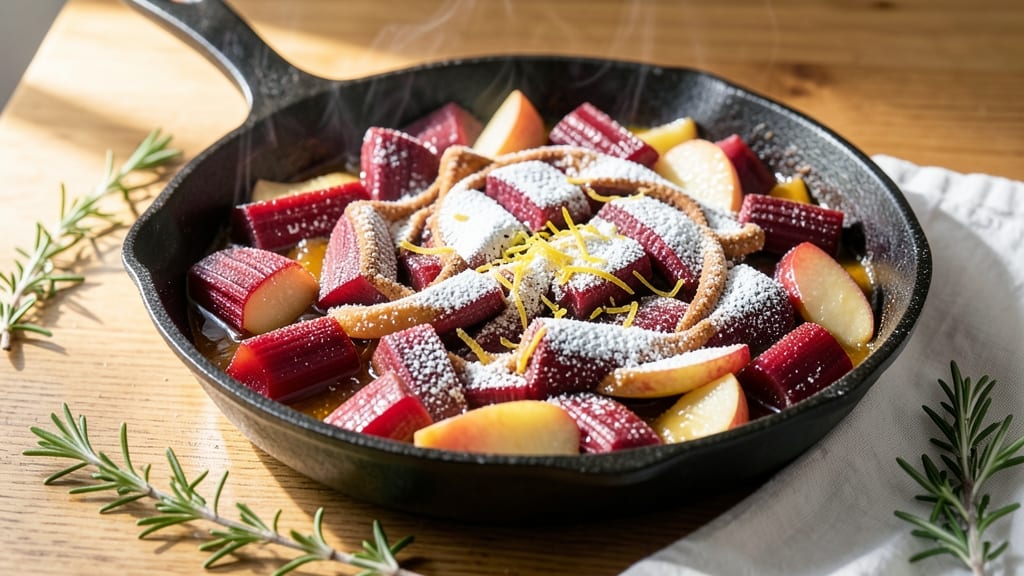
This rhubarb apple pie filling recipe delivers the perfect balance of tart rhubarb and sweet apples, with a thickener that holds its shape through every slice. 🌟 The secret lies in the right proportion of sugar and cornstarch, which creates a filling that's neither runny nor grainy—just luscious and flavorful.
I've perfected this combination over years of baking, ensuring each bite delivers that classic pie texture we all love.
The filling starts with fresh rhubarb and apples, chopped into even pieces for consistent cooking. A touch of cinnamon and lemon zest adds warmth and brightness, while the cornstarch-thickened mixture transforms into a glossy, jewel-toned filling that's ready for your favorite pie crust.
This recipe works equally well with store-bought or homemade crusts, giving you flexibility for any baking occasion.
What sets this recipe apart is the foolproof thickening method—no lumps, no guessing. The filling bakes to a tender yet firm consistency, with just enough give to create that satisfying first bite.
Whether you're making a classic double-crust pie or a rustic lattice-topped version, this filling will elevate your dessert to restaurant-quality.
Ready in about 50 minutes, this recipe delivers a pie that's perfect for holiday gatherings, family dinners, or even a cozy weeknight treat. The aroma alone will have everyone gathering around the kitchen, and the first slice will prove why this is the ultimate pie filling. Let's get baking!
Ingredients for rhubarb apple pie filling
Fresh rhubarb and apples meet sugar and spice for the ultimate pie filling—simple ingredients, restaurant-quality results.
| Ingredient | Amount | Notes |
|---|---|---|
| Fresh Rhubarb 🍓 | 3 cups | Chopped into 1/2-inch pieces |
| Apples 🍎 | 2 medium | Peeled, cored, chopped (about 2 cups) |
| Granulated Sugar 🍚 | 1 ½ cups | White sugar preferred |
| Cornstarch 🌾 | ½ cup | For perfect thickening |
| Ground Cinnamon 🌿 | 1 ½ tbsp | Freshly ground preferred |
| Lemon Zest 🍋 | 1 tbsp | From 1 medium lemon |
| Lemon Juice 🍋 | 1 tbsp | Freshly squeezed |
| Salt 🧂 | ½ tsp | Kosher or sea salt |
| Vanilla Extract 🍃 | 1 tsp | Pure vanilla preferred |
| Unsalted Butter 🧈 | ½ cup | Cold, cubed for topping |
| All-Purpose Flour 🌾 | 2 tbsp | For dusting crust |
The rhubarb and apples are the stars here. Look for bright red rhubarb stalks—they should be crisp and firm, not slimy or wilted. Apples like Granny Smith or Honeycrisp work best—they hold their shape while baking. I always grab mine from Trader Joe's or the local farmers market, but the grocery store stuff is fine too. If you're short on time, pre-cut frozen rhubarb (thawed and drained) works in a pinch—just don't skip the chopping for the apples. The sugar should be granulated white—it dissolves perfectly, unlike brown sugar which can make the filling too moist.
No cornstarch? Arrowroot powder at the same amount works just as well. Running out of vanilla? Almond extract at half the amount gives a nice twist. The lemon zest and juice are non-negotiable though—they brighten the whole filling. If you've got bottled lemon juice, use it, but fresh is always better. For the butter, European-style (like Plugrá) gives the best flavor, but any unsalted works. The flour is just for dusting the crust—don't skip it if you're using a homemade crust, but it's optional for store-bought. And if you're worried about lumps, whisk the cornstarch and sugar together first—that's my foolproof trick.
This filling keeps beautifully in the fridge for 4-5 days—just cover it tightly. For longer storage, freeze it for up to 3 months in an airtight container. I always make extra because it's perfect for hand pies or cobblers too. The butter topping? Add it right before baking so it gets golden and crisp. And trust me, the first slice out of the oven is worth every minute—that's the magic of a perfect pie filling.
Why You'll Love This Recipe
- I swear by this trick: use pre-sliced apples from the store’s salad bar—just toss them in raw. The rhubarb? Roughly chop it into 1-inch pieces, and you’re done. Five minutes saved, zero fuss.
- No-Chop Shortcut: I swear by this trick: use pre-sliced apples from the store’s salad bar—just toss them in raw. The rhubarb? Roughly chop it into 1-inch pieces, and you’re done. Five minutes saved, zero fuss.
- Tart-Sweet Magic: That first bite where the rhubarb’s sharp tang meets the apples’ buttery softness? It’s like summer in a spoonful. The cinnamon doesn’t overpower—it just deepens the warmth, and the cornstarch keeps it from turning to mush.
- Pie or Crumble: Honestly, I make this for more than just pie. Dump it into a skillet with oatmeal for a crumble, or spoon it over vanilla ice cream when I’m lazy. The filling’s thick enough to hold up, but loose enough to get creative with.
Step-by-step instructions for rhubarb apple pie filling
Here's how to create that perfect balance of tart and sweet with a silky, well-thickened filling.
👨🍳 Step 1: Prep the Fruits for Maximum Flavor
Start by chopping the 3 cups fresh rhubarb into ½-inch pieces—this size ensures even cooking and a perfect texture. I like to work quickly here because rhubarb can start to break down if left sitting. Place the chopped rhubarb in a large mixing bowl.
Next, peel and core the 2 medium apples, then chop them into small pieces (about 2 cups). The apples should be roughly the same size as the rhubarb to ensure even cooking. Toss them with the rhubarb in the bowl. Here's the thing—peeling the apples removes bitterness, but if you prefer texture, you can leave the skin on for a rustic touch.
Add the 1 tablespoon lemon zest and 1 tablespoon lemon juice to the fruit mixture. The lemon brightens the flavors and helps balance the tartness of the rhubarb. Stir everything together gently—no need to mash or overmix. This step is all about setting up the perfect flavor foundation.
🍳 Step 2: Mix the Dry Ingredients for Perfect Thickening
In a separate bowl, whisk together the 1.5 cups granulated sugar, 0.5 cup cornstarch, 1.5 tablespoons ground cinnamon, 0.5 teaspoon salt, and 1 teaspoon vanilla extract. The cornstarch is your secret weapon here—it ensures a smooth, glossy filling that won't be too runny or gluey. I always use freshly ground cinnamon because it tastes noticeably better than pre-ground.
Pour the dry mixture over the fruit in the mixing bowl and stir gently but thoroughly. You want every piece of fruit to be coated evenly. This is where the magic happens—the sugar will caramelize slightly during cooking, adding depth of flavor, while the cornstarch guarantees that thick, luscious texture we all love in pie filling.
Don't worry if the mixture looks a bit dry at this point. Once it cooks, it'll transform into something silky and perfect. Let it sit for 5 minutes while you prepare your pie crust—this gives the flavors a chance to meld slightly before hitting the oven.
🔥 Step 3: Cook Until Thick and Glossy
Transfer the fruit mixture to a large, heavy-bottomed pot. Place the pot over medium-high heat and bring to a boil, stirring occasionally to prevent sticking. Once it reaches a rolling boil, reduce the heat to medium-low and let it simmer for 15-20 minutes. This is where patience pays off—you want the filling to thicken properly without burning.
Stir the mixture every 2-3 minutes during cooking to prevent scorching. You'll know it's ready when it thickens to a glossy, spoonable consistency—it should coat the back of a spoon and leave a clean trail when you run your finger through it. If it thickens too quickly, add 1-2 tablespoons of water to loosen it. The filling should be thick enough to hold its shape but still have a slight sheen.
Here's the crucial part: taste it! The filling should be sweet and tart with a perfect balance. If it needs more sweetness, add 1-2 tablespoons of sugar and simmer for another 2 minutes. If it's too tart, a pinch more sugar or a splash of lemon juice can help balance it. Adjust to your taste—this is your pie, after all!
🥘 Step 4: Finish with Butter for Richness
Once the filling reaches the perfect consistency, remove it from the heat. Stir in the 0.5 cup cold, cubed unsalted butter until it melts completely. The butter adds richness and helps create that beautiful, glossy finish. If you're using a double crust pie, you can also dust the top crust with 2 tablespoons all-purpose flour before adding the filling—this prevents a soggy bottom.
Let the filling cool slightly for 10 minutes before pouring it into your pie crust. This brief rest allows the flavors to settle and ensures the filling stays thick when it hits the oven. If you're making a lattice top or adding a second crust, now's the time to do that. The filling should be warm but not hot—just enough to create a perfect seal with the crust.
Bake according to your pie recipe instructions, but remember: the filling will thicken further as it bakes. The result should be a pie with a silky, glossy filling that's perfectly balanced between tart and sweet, with just the right amount of spice from the cinnamon. Trust me, this is the filling that'll have everyone asking for seconds!
Pro Tips For Making Rhubarb Apple Pie Filling
- CHOP RHUBARB STRAIGHT ACROSS: I learned this the hard way—when you slice rhubarb lengthwise into thick strips (about ¼-inch), it cooks evenly without turning to mush. Thin slices? They’ll turn into a sad, watery sludge. Keep those stalks firm and proud.
- WEIGHT THE APPLES: Use a mix of tart and sweet apples—like Granny Smith and Honeycrisp—but don’t eyeball it. A 1:1 ratio by weight (1 cup chopped apples per 1 cup rhubarb) keeps the balance right. Too many sweet apples? The rhubarb’s tang gets drowned out.
- STIR IN THE CORNSTARCH COLD: Mix that cornstarch with sugar first, then toss in the hot filling after it’s simmered for 5 minutes. Stirring it in cold guarantees smoothness—no clumpy lumps ruining your pie. (Yes, even if you’re impatient like me.)
- SKIP THE EXTRA SUGAR: Rhubarb’s tartness needs sugar, but don’t overdo it. Start with ¾ cup per 4 cups of fruit, then taste after simmering. Too sweet? The apples will taste like candy; too tart? The rhubarb will overpower. Adjust in small increments.
Wine and beer pairings for this recipe
White Wine Pairings
For this tart-sweet rhubarb apple pie, a crisp dry Riesling from Germany is my go-to choice. The wine's bright acidity and hints of citrus perfectly complement the filling's tangy rhubarb while balancing the sugar. Look for a Mosel Riesling—it's light enough to not overpower the pie's delicate flavors. 🍷
Another excellent option is a Sauvignon Blanc from New Zealand, particularly one with herbal notes. The wine's zesty character enhances the lemon zest in the filling, creating a refreshing contrast. Try a Marlborough Sauvignon Blanc for a more floral profile that pairs beautifully with the cinnamon spice.
Red Wine Options
If you prefer red wine, a light-bodied Pinot Noir works surprisingly well. Choose one from Oregon or Burgundy with bright cherry notes and subtle earthiness. The wine's gentle tannins won't clash with the pie's buttery richness, while its fruitiness complements the apple. 🍇
Beer Pairings
A crisp American Wheat Beer like Blue Moon or a Belgian Witbier offers a refreshing contrast to the pie's richness. The beer's citrusy notes mirror the lemon in the filling, while its light body prevents it from feeling heavy. Serve it chilled for the best experience.
For a more robust option, try a Belgian Dubbel like Rochefort 8—its caramel and spice notes harmonize beautifully with the pie's cinnamon and sugar. The beer's slight sweetness balances the rhubarb's tartness without overpowering it.
Cider Pairings
Don't overlook dry hard cider as a fantastic pairing option. A crisp, tart cider from the Pacific Northwest enhances the pie's fruit flavors while providing a refreshing contrast. Look for ciders with apple and pear notes, like those from Woodchuck Hard Cider.
For a more traditional pairing, a French Poiré (pear cider) works beautifully. Its floral and honeyed notes complement the pie's spiced filling while maintaining balance. Serve it slightly chilled to highlight its crisp acidity.
Nutrition facts
Frequently asked questions
Can I use frozen rhubarb instead of fresh?
Yes, but with a few adjustments. Thaw frozen rhubarb completely and drain any excess liquid—it releases more moisture than fresh. Reduce the sugar by 1-2 tablespoons since frozen rhubarb is often pre-sweetened. For best results, chop it into slightly smaller pieces (¼-inch) to ensure even cooking.
What if my filling is too runny after baking?
Don't panic! If the filling is too thin, try this fix: Mix 1 tablespoon cornstarch with 1 tablespoon cold water, stir into the filling, then bake for 10-15 more minutes at 350°F. For a pre-baked pie, sprinkle 1 tablespoon sugar over the filling and broil for 2 minutes to caramelize.
Can I make this filling ahead of time?
This filling keeps beautifully in the fridge for 3-4 days in an airtight container. For longer storage, freeze it for up to 3 months. When ready to bake, thaw overnight in the fridge and reheat gently on the stove until warm. The texture may thicken further when reheated—just add 1-2 tablespoons water if needed.
What's the best apple variety for this recipe?
Granny Smith or Honeycrisp apples work best—they hold their shape while baking. For extra tartness, try Braeburn apples. Avoid overly soft varieties like Red Delicious, as they'll turn mushy. If you can't find fresh, frozen apple chunks (thawed) work in a pinch, but fresh is always better for texture.
How do I prevent a soggy bottom crust?
Use one of these foolproof methods: Dust the bottom crust with 2 tablespoons flour before adding filling, or pre-bake the bottom crust for 5 minutes at 375°F. For extra insurance, spread a thin layer of apricot jam between crusts. The cornstarch in the filling also helps absorb excess moisture during baking.