
Desserts
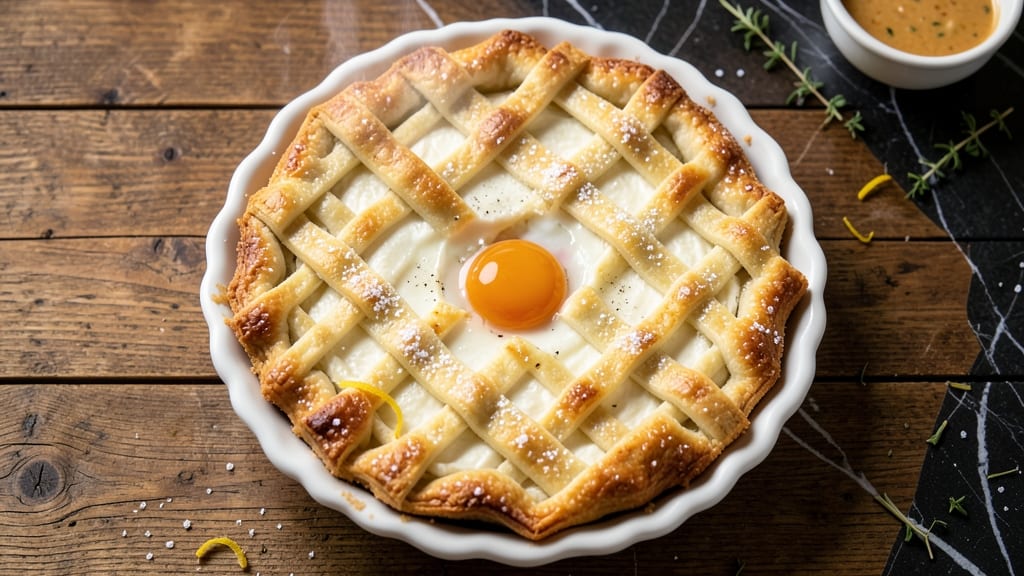
Lidia Bastianich's ricotta pie recipe delivers the perfect balance of zesty lemon-crust and gooey, velvety ricotta center—every bite is a taste of Italy. This classic dessert combines traditional techniques with modern accessibility, ensuring a foolproof result even for home bakers.
The secret lies in the lemon-curd crust, which adds a bright, tangy contrast to the rich, creamy filling.
The recipe begins with a sweet, buttery crust infused with lemon zest, creating a fragrant base that complements the ricotta perfectly. A simple yet effective ricotta mixture—blended with eggs, sugar, and vanilla—forms the heart of this pie, yielding a smooth, custard-like texture when baked.
The key to success is baking at the right temperature to achieve a golden crust without overcooking the filling.
What makes this ricotta pie truly special is its versatility—serve it warm with a drizzle of honey for a touch of sweetness or enjoy it chilled for a refreshing dessert.
The combination of textures and flavors creates a dessert that’s both elegant and comforting, perfect for special occasions or a cozy night in. With just a few simple ingredients and a little patience, you’ll have a pie that rivals any Italian trattoria.
The best part? This recipe scales easily, whether you're baking for a family gathering or treating yourself to a slice. The crust stays crisp, the ricotta remains luscious, and the lemon notes brighten every bite.
Ready to impress with a dessert that’s as beautiful as it is delicious? Let’s get started.
Ingredients for ricotta pie recipe lidia
Zesty lemon-crust meets velvety ricotta—just 13 ingredients for a pie that tastes like Italy.
| Ingredient | Amount | Notes |
|---|---|---|
| All-Purpose Flour 🌾 | 2 cups | Sifted for light texture |
| Unsalted Butter 🧈 | 1 ½ cups | Cold, cubed for crust |
| Granulated Sugar 🍚 | ¾ cup | Plus 2 tbsp for crust |
| Large Eggs 🥚 | 3 whole | Room temperature |
| Ricotta Cheese 🧀 | 2 lbs | Full-fat, room temp |
| Vanilla Extract 🌿 | 1 tbsp | Pure, high-quality |
| Lemon Zest 🍋 | 2 tbsp | Fresh, finely grated |
| Lemon Juice 🍋 | ¼ cup | Freshly squeezed |
| Powdered Sugar 🍚 | ½ cup | For dusting |
| Salt 🧂 | ½ tsp | Fine sea salt |
| Ground Cinnamon 🌶️ | ½ tsp | Optional for warmth |
| Heavy Cream 🥛 | ½ cup | For extra creaminess |
| Lemon Curd 🍋 | 1 cup | Homemade or store-bought |
The ricotta is the star, so grab the full-fat kind—none of that reduced-fat nonsense. Whole Foods or your local Italian market usually carry the best. For the crust, European-style butter (like Plugrá) makes all the difference—it stays flaky. The lemon zest needs to be fresh; zesting a whole lemon gives you more than enough. Pro tip: use a microplane for those fine, fragrant strips. The eggs should be room temperature for a smoother filling, so pull them out 30 minutes before mixing.
No ricotta? Cottage cheese blended until smooth works in a pinch, but it won’t be as creamy. Running short on butter? Shortening works too, though it won’t have that rich flavor. The lemon curd can be homemade (just eggs, sugar, lemon juice, and butter) or store-bought—Bon Appétit or Smucker’s are reliable. For the crust, if you’re worried about it being too sweet, reduce the sugar by 1 tbsp. And if you love cinnamon, add it to both the crust and filling—it’s a classic pairing in Italian desserts.
This pie keeps beautifully—3 days in the fridge and 2 months in the freezer. The crust stays crisp if you store it wrapped in parchment. For serving, dust with powdered sugar right before cutting. It reheats wonderfully—just 10 minutes at 350°F to warm through. I always make an extra crust to serve with the pie—trust me, it disappears fast.
Why You'll Love This Recipe
- No-Fuss Crust: I swear by this recipe because the crust is just butter, flour, and a touch of sugar—no rolling pins, no fuss. You can mix it in a bowl while the ricotta filling bakes, and honestly? It comes out flaky and golden every single time.
- Rich Without Effort: That creamy ricotta filling with eggs and sugar is where the magic happens. It’s not heavy or overly sweet—just perfectly balanced, like a cross between a custard and a cheesecake. My kids ask for seconds, and I don’t even have to pretend to be impressed.
- Weeknight & Weekend Star: This pie works for everything. Need a quick dessert after dinner? Done. Bringing something to a potluck? Perfect. Even my picky in-laws love it—(yes, even on a Tuesday night).
- Leftovers? More Like Left-Wants: The best part? It reheats beautifully. Slice it the next day, and it’s still just as good—maybe even better, because the flavors meld overnight. And since it’s mostly pantry staples, it’s also my go-to budget-friendly treat.
Step-by-step instructions for lemon-curd ricotta pie
Here's how to create Lidia's signature pie with a tangy lemon crust and ultra-creamy ricotta center.
Prepare the Lemon-Curd Crust
In a food processor, combine the 2 cups all-purpose flour and 0.5 tsp salt. Pulse until just mixed. Cut in the 1.5 cups cold, cubed unsalted butter using the pulse function until the mixture resembles coarse crumbs with pea-sized butter pieces.
Transfer the dough to a bowl, add 0.75 cup granulated sugar plus 2 tbsp extra, and mix with a fork until evenly distributed. The dough should hold together when pressed but not be sticky. Divide into two equal portions, flatten into discs, wrap in plastic, and chill for 1 hour.
Preheat your oven to 350°F. Roll out one disc between two sheets of parchment paper to fit a 9-inch pie dish. Press the dough gently into the pan, trim excess, and prick the bottom with a fork. Spread 1 cup lemon curd evenly over the crust. Roll out the second dough disc and cut into strips for the lattice pattern.
Assemble the Ricotta Filling
In a large bowl, combine the 2 lbs ricotta cheese with 0.5 cup heavy cream, 1 tbsp vanilla extract, 2 tbsp lemon zest, 0.25 cup lemon juice, 0.5 cup powdered sugar, 0.5 tsp salt, and 0.5 tsp ground cinnamon. Mix gently with a rubber spatula until smooth but not overmixed.
I like to press the ricotta mixture through a fine-mesh sieve to remove any lumps, which ensures a silky texture. Taste and adjust sweetness if needed—ricotta varies in richness. Pour the filling over the lemon curd layer in your pie shell, spreading evenly to the edges.
Create the Lattice Topping
Arrange the pre-cut dough strips in a lattice pattern over the filling, pressing edges gently to seal. Brush the lattice with a lightly beaten egg (from the 3 whole large eggs) for a golden finish. Bake for 45-50 minutes until the crust is golden brown and the filling is just set but still slightly jiggly in the center.
Here's the thing—ricotta pie needs that slight wobble when you shake the pan. If the center looks completely firm after 40 minutes, tent with foil to prevent overbrowning while it finishes cooking. The internal temperature should reach 165°F when done.
Finish and Rest
Remove the pie from the oven and let it cool completely on a wire rack. This resting period—at least 2 hours, preferably overnight—allows the filling to fully set and develop its signature texture. The contrast between the tangy lemon crust and creamy ricotta will be even more pronounced after resting.
Before serving, dust the lattice with additional powdered sugar if desired. Each slice should reveal that perfect balance of bright citrus notes from the crust and velvety ricotta. Serve with a dollop of whipped cream or fresh berries for an extra touch of freshness.
Pro Tips For Making Ricotta Pie Recipe Lidia
- STRAIN THE RICOTTA: Drain the ricotta in a fine-mesh sieve for at least 30 minutes before using—it’s the only way to get rid of that excess whey that makes your filling watery. I learned this the hard way after slicing into a pie that looked perfect but tasted like a soggy cheesecake.
- CREAM THE BUTTER SUGAR: Beat the softened butter and sugar together until the mixture is pale and fluffy—about 3-4 minutes with a mixer. Skipping this step means your crust will taste buttery but lack that tender, melt-in-your-mouth texture. (Yes, even if you’re impatient like me.)
- CHILL THE DOUGH: Wrap the pie dough tightly in plastic and refrigerate it for at least 2 hours before rolling. Cold dough is easier to handle, less likely to shrink, and gives you a crispier crust. I used to rush this, and my pies always ended up looking like sad, puffy blobs.
- BAKE UNTIL GOLDEN: Pull the pie from the oven when the edges are deep golden brown, not just lightly toasted—around 350°F for 40-45 minutes. If you take it out too soon, the crust will stay pale and the filling won’t set properly. (Your future self will thank you.)
Troubleshooting your ricotta pie recipe lidia
Crust Too Sweet?
If your lemon-curd crust tastes overwhelmingly sweet, reduce the sugar by 1-2 tablespoons next time. The lemon curd itself adds natural sweetness, so you might not need as much in the dough.
For extra tartness, add 1 extra tablespoon of lemon zest to the crust mixture. I’ve found that European-style butter like Plugrá enhances flavor without needing extra sugar. 🍋
Ricotta Filling Too Watery
If your ricotta filling looks too thin after mixing, let it sit in the fridge for 15-20 minutes to thicken slightly. For a thicker texture, add 1 more egg yolk or 2 tablespoons cornstarch mixed with 1 tablespoon water.
Overmixing can also make it runny—mix just until smooth. I’ve had success using full-fat ricotta straight from the fridge, as it’s firmer and holds its shape better. 🧀
Lattice Not Holding Shape
If your lattice strips spread or lose their shape during baking, chill the dough strips for 10-15 minutes before arranging them. Brush them with a lightly beaten egg wash to help them crisp up faster.
For extra stability, use a 9-inch pie dish and ensure your strips are cut evenly—about ½-inch wide. If the lattice collapses, try pressing the edges more firmly into the filling before baking. 🔥
Filling Overcooks or Undercooks
Ricotta pie should have a slight wobble when done—if it’s too firm, it’s overcooked. Bake at 350°F and check at 40 minutes; tent with foil if needed. For undercooked filling, extend baking by 5-10 minutes but avoid going past 165°F internal temp.
A water bath (placing the pie in a larger pan with hot water halfway up the sides) can help with even cooking. 🌡️
Crust Turning Gray
Gray crust means your butter melted too much before baking. Keep your butter cold and cubed when mixing, and don’t overwork the dough. If it happens, brush the crust with extra egg wash before baking to add color.
For a foolproof crust, chill the dough for the full 1 hour before rolling. I’ve also had success using shortening instead of butter if I’m in a rush, though it won’t taste as rich. 🧈
Pie Not Setting Properly
If your pie doesn’t set after baking, it might need more time in the oven or a sturdier structure. Ensure your filling reaches 165°F internally. For extra stability, blind-bake the crust for 10 minutes before adding the filling.
If the pie still doesn’t set, try adding 1 extra egg to the ricotta mixture for a firmer texture. Let it rest longer—overnight is ideal for the best results. ✨
Nutrition facts
Frequently asked questions
Can I make this ricotta pie without a lattice crust?
For a simpler version, use a single rolled-out dough disc as a top crust. Press it gently over the filling, seal the edges, and cut a few slits for steam to escape. Brush with egg wash and bake as directed. This works especially well if you're short on time or prefer a solid top. The flavor stays just as rich—it's all about the creamy ricotta center!
How do I adjust this recipe for a smaller pie dish?
For a 7-inch dish, reduce the ricotta to 1 lb and halve all other filling ingredients. Scale the crust dough proportionally (about 1 cup flour and ½ cup butter per crust layer). Bake at 350°F for 35-40 minutes instead. The smaller size bakes faster, so keep an eye on it after 30 minutes to avoid overcooking.
What's the best way to store leftovers?
Store the pie in an airtight container at room temperature for up to 2 days. For longer storage, refrigerate for up to 3 days or freeze for 2 months. To reheat, warm at 350°F for 10-15 minutes until the filling is just warm through. The crust stays crisp when properly stored—just avoid soggy bottoms by keeping it sealed!
Can I substitute mascarpone for ricotta?
Yes, but with adjustments! Mascarpone is richer, so use 1.5 lbs instead of 2 lbs ricotta. Add 1 extra egg to help it set properly. The texture will be slightly denser but still delicious. For extra creaminess, fold in ¼ cup whipped cream with the mascarpone. Taste as you go—mascarpone is sweeter, so you might need less sugar.
Why does Lidia's version use lemon curd in the crust?
The lemon curd adds a bright, tangy contrast that cuts through the richness of the ricotta. It's a signature Lidia touch—balancing sweet and tart creates that perfect "wow" factor. You can make it from scratch (just eggs, sugar, lemon juice, and butter) or use store-bought. The curd also helps keep the crust moist during baking, preventing dryness. Think of it as the secret weapon for that restaurant-quality flavor!