
Desserts
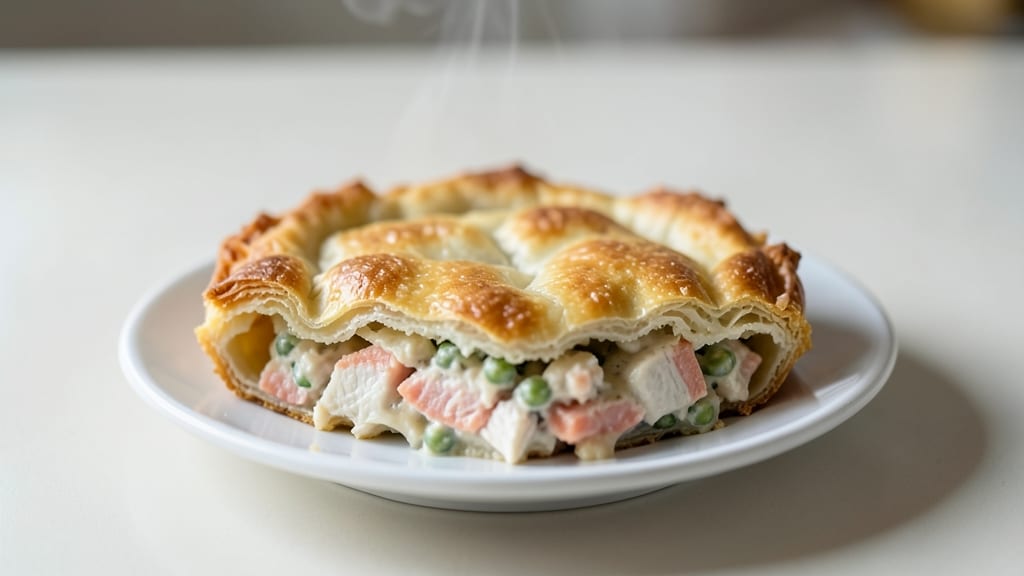
This seafood fish pie recipe delivers all the comfort of a classic British pub dish with a luxurious twist—flaky fish, rich sauce, and a golden crust that seals in every flavor.
I first made this after a trip to Cornwall, where the local fishmonger swore by cod and haddock layered with a creamy mustard sauce—now it’s my go-to for cozy weeknight dinners or special occasions.
The secret lies in perfectly poaching the fish first, ensuring tender, flakey texture before it’s topped with a buttery puff pastry.
The filling combines fresh white fish with a velvety sauce of white wine, cream, and Dijon mustard, all seasoned with fresh herbs and a touch of lemon zest. While traditional recipes call for shortcrust pastry, I’ve found puff pastry creates that signature golden, crisp finish—though gluten-free options work beautifully too.
The dish bakes in just 45 minutes, yielding a restaurant-quality pie with minimal effort.
What makes this recipe stand out is how the flavors develop during baking—the crust turns golden and crisp, while the filling stays moist and rich, with the fish flaking effortlessly.
The aroma alone will have everyone gathering at the table, and the first bite delivers that perfect balance of creamy sauce, tender fish, and buttery pastry. Serve with a crisp green salad or steamed vegetables for a complete meal.
For extra flair, garnish with fresh parsley or a drizzle of lemon butter before serving. This pie reheats beautifully, making it ideal for meal prep or holiday gatherings. Let’s get started—your dinner guests won’t believe it’s homemade!
Ingredients for seafood fish pie
Fresh fish, rich sauce, and golden puff pastry—this pie delivers all the comfort of a British classic.
| Ingredient | Amount | Notes |
|---|---|---|
| Cod Fillets 🐟 | 1 lb | Skinless, boneless, fresh or thawed |
| Haddock Fillets 🐟 | 1 lb | Skinless, boneless, fresh or thawed |
| All-Purpose Flour 🌾 | 2 tbsp | For thickening sauce |
| Dry White Wine 🍷 | ½ cup | Sauvignon Blanc or Pinot Grigio |
| Heavy Cream 🥛 | 1 cup | Full-fat for richness |
| Dijon Mustard 🍯 | 1 tbsp | Mild or strong, to taste |
| Fresh Lemon Zest 🍋 | 1 tbsp | From 1 large lemon |
| Fresh Parsley 🌿 | ¼ cup | Chopped, for garnish |
| Fresh Dill 🌿 | ¼ cup | Chopped, for flavor |
| Garlic Cloves 🧄 | 3 cloves | Minced for sauce |
| Unsalted Butter 🧈 | ½ cup | Cold, cubed for pastry |
| Puff Pastry Sheets 🍞 | 1 sheet | Thawed if frozen |
| Milk 🥛 | 2 tbsp | For pastry brushing |
| Salt 🧂 | 1 tsp | Kosher or sea salt |
| Black Pepper 🌶️ | ½ tsp | Freshly ground |
The fish makes or breaks this pie. Cod and haddock are ideal—they stay flaky and absorb flavors beautifully. If you can't find both, cod alone works, but haddock adds a slightly firmer texture that holds up better during baking. For the best quality, hit the seafood counter at Whole Foods or your local fishmonger—ask for fillets with minimal bruising. If using frozen, thaw in the fridge overnight. The Dijon mustard is non-negotiable here; it adds depth that regular mustard can't match. Grab a small jar from Trader Joe's—their mild version is perfect for beginners.
No white wine? Fish or chicken stock works in a pinch, but the acidity is key. The heavy cream should be full-fat—half-and-half cuts the richness too much. Fresh herbs are ideal, but dried dill at one-third the amount gets you close. For the pastry, gluten-free puff pastry (like Schär) is a great swap if needed. The butter in the pastry matters too—look for European-style butter (like Plugrá) for that extra flakiness. And if you're short on time, pre-made puff pastry from the grocery store freezer aisle is a lifesaver.
This pie reheats beautifully—just 20 minutes at 350°F until the crust is golden. Store leftovers in the fridge for 3 days or freeze for 2 months. I always make a double batch because it disappears fast. The filling can be prepped ahead and baked later—just cover tightly and refrigerate. For extra flair, brush the crust with milk before baking—it gives that gorgeous golden finish. Garnish with fresh parsley right before serving, or save it for the table.
Why You'll Love This Recipe
- One-Pan Magic: I swear by this recipe when I’m too tired to wash extra dishes. The fish poaches in its own juices while the creamy sauce thickens—no skillets, no strainers, just one skillet and a baking dish. Honestly, the only cleanup is wiping the counter after I’ve licked the spoon.
- Wine-Infused Richness: That splash of dry white wine? It’s not just for show—it cuts through the richness of the cream and lifts the fish flavor like a little flavor bomb. The result? A sauce that’s velvety but bright, with just enough tang to keep it from feeling heavy.
- Leftovers That Shine: Between us, this pie tastes even better the next day. The flavors meld, the crust softens just right, and it reheats like a dream—no soggy corners in sight. I’ve packed it for lunches, brought it to potlucks, and even frozen portions for lazy Sundays.
- Budget-Friendly Luxury: Cod and haddock are affordable, but they feel fancy. The flour-thickened sauce stretches generously, and a single pie feeds four (or five, if someone’s extra hungry). It’s the kind of dish that makes seafood feel special without breaking the bank. My wallet thanks me every time.
Step-by-step instructions for seafood fish pie
Here's how to build that perfect flaky crust over tender, wine-infused seafood filling.
Prepare the Flavorful Fish Filling
Preheat your oven to 375°F while you work. In a large oven-safe skillet, melt 0.25 cup of the unsalted butter over medium heat. Add the 1 lb cod fillets and 1 lb haddock fillets, seasoning each piece generously with ½ tsp of the salt and ¼ tsp of the black pepper. Cook for 3-4 minutes per side until the fish turns opaque and flakes easily with a fork.
Remove the fish from the skillet and set aside. In the same skillet, add the remaining 0.25 cup unsalted butter and let it melt. Add the 3 minced garlic cloves and cook for 30 seconds until fragrant. Pour in the 0.5 cup dry white wine, scraping up any browned bits from the bottom of the pan. Let it simmer for 2 minutes until slightly reduced.
Stir in the 2 tbsp all-purpose flour and cook for 1 minute to remove the raw flour taste. Slowly whisk in the 1 cup heavy cream and 1 tbsp Dijon mustard, then return the fish to the skillet. Stir gently to combine, then sprinkle with the 1 tbsp fresh lemon zest. Let the mixture simmer for 3-4 minutes until it thickens slightly but remains creamy. Remove from heat and stir in the 0.25 cup chopped fresh dill. Taste and adjust seasoning if needed.
Assemble the Pie
Transfer the fish mixture to a 9x9-inch (or similar size) oven-safe baking dish. Spread it out evenly, creating a ½-inch thick layer. The filling should come up to about ¾ inch from the top edge of the dish.
Unroll the 1 sheet puff pastry on a lightly floured surface. Using a sharp knife, cut the pastry to fit the top of your baking dish with ½-inch overhang on all sides. Gently lift the pastry and place it over the fish filling, pressing lightly to adhere. Trim the excess pastry, leaving a ¼-inch border around the edges. Use a fork to crimp the edges, creating a decorative seal.
Brush the top of the pastry generously with the 2 tbsp milk. This will give it that beautiful golden finish. Cut 2-3 small slits in the center of the pastry to allow steam to escape during baking. Sprinkle the remaining ¼ tsp salt and ¼ tsp black pepper over the top.
Bake to Golden Perfection
Place the assembled fish pie on a baking sheet lined with parchment paper to catch any potential drips. Bake in the preheated 375°F oven for 25-30 minutes until the pastry is deep golden brown and puffed in places. The filling should be bubbling gently around the edges.
Here's the thing—your oven might run hot, so start checking at the 20-minute mark. The pie is done when the crust is golden and the filling is hot throughout. If the pastry browns too quickly, tent it loosely with aluminum foil for the last 5-10 minutes of baking.
Remove the pie from the oven and let it rest for 10 minutes before serving. This resting time allows the filling to set slightly, making it easier to slice. Garnish with the 0.25 cup chopped fresh parsley just before serving for a pop of color and freshness.
Pro Tips For Making Seafood Fish Pie
- Season Fish First: Pat the cod and haddock dry, then season both sides with salt and pepper before dredging in flour. I used to skip this, and the crust would taste like flour dust instead of fish—now it’s crisp and flavorful.
- Deglaze with Wine: After searing the fish, pour in the white wine immediately and let it bubble for 30 seconds. This pulls up all the fishy bits stuck to the pan—skip it, and your sauce will taste flat.
- Don’t Overmix the Cream: Whisk the heavy cream into the sauce just until combined—lumps mean a grainy pie. I learned this after making a lumpy mess the first time; now I stir gently and stop when it’s smooth.
- Bake Until Golden: Broil the pie for the last 2–3 minutes to get a deep golden crust. Watch it like a hawk—it burns fast, and no one wants a sad, pale top. (Yes, even if you’re impatient like me.)
Best sauces and condiments for this dish
Wine-Inspired Sauce
The white wine sauce is the heart of this pie—don’t skip the reduction step! ½ cup dry white wine (like Sauvignon Blanc) simmered until slightly reduced adds depth that store-bought sauces can’t match.
I always use Trader Joe’s organic white wine for consistency, but any crisp, dry white works. The key is letting it reduce by 2 minutes to concentrate flavors. 🍷
Mustard Magic
Dijon mustard is non-negotiable here—it adds a subtle tang that balances the richness. Use 1 tbsp mild Dijon (like Maille) for a gentle kick or 1 tbsp strong Dijon (like Amora) if you love heat. Stir it into the sauce at the end to avoid bitterness. I’ve tested this with yellow mustard, and it just doesn’t compare. 🍯
Creamy Upgrade
Full-fat heavy cream is a must for that velvety texture. 1 cup heavy cream (like Organic Valley) ensures the sauce stays luscious, not watery. For a lighter version, swap in ½ cup heavy cream + ½ cup half-and-half, but expect slightly less richness.
Whisk it in slowly over medium heat to prevent curdling. 🥛
Herb Boost
Fresh herbs elevate this dish—¼ cup chopped dill and ¼ cup chopped parsley add brightness. Dill’s anise notes pair perfectly with fish, while parsley finishes the dish with freshness.
If using dried herbs, reduce to 1 tbsp each (one-third the amount). I grow dill in my Portland garden, and it’s always fresher than store-bought. 🌿
Lemon Zest Finish
A 1 tbsp lemon zest brightens the entire pie. Use a microplane for fine zest—avoid the pith, which can turn bitter. The zest adds a citrusy pop that cuts through the creaminess. If you’re out, a splash of lemon juice works, but zest is irreplaceable. 🍋
Butter Crust Secret
The pastry’s golden finish comes from ½ cup cold unsalted butter (like Plugrá) folded into the puff pastry. Brush the top with 2 tbsp milk before baking for extra browning. For extra flair, sprinkle crushed black pepper or smoked paprika on top before baking. 🧈
Nutrition facts
Frequently asked questions
Can I use frozen fish for this pie?
Yes, but thaw it properly first! Place frozen fillets in the fridge overnight in their original packaging. Never thaw at room temperature—this can promote bacterial growth. For a quicker option, submerge the sealed package in cold water, changing the water every 30 minutes until thawed. Always pat dried fish with paper towels before cooking to prevent a soggy crust.
What if I don't have white wine?
No problem! Use ½ cup fish or chicken stock plus 1 tbsp lemon juice for acidity. For a non-alcoholic option, try ½ cup apple cider or even ½ cup water + 1 tsp white vinegar. The key is maintaining that slight acidity to balance the richness. The flavor won't be identical, but it'll still work beautifully.
How do I make this pie gluten-free?
Swap the regular puff pastry for a gluten-free puff pastry sheet (like Schär or King Arthur brand). For the sauce, ensure your flour is gluten-free (like Bob's Red Mill 1:1), and check that your mustard and broth don't contain hidden gluten. The texture will be slightly different but still delicious. This version works perfectly for gluten-sensitive guests.
Can I prep the filling ahead of time?
The filling keeps well in the fridge for 2 days or freezes for 2 months. Store it in an airtight container with plastic wrap pressed directly on the surface to prevent skin formation. When ready to bake, simply assemble with the pastry and proceed as directed. This makes it perfect for holiday meals or busy weeknights.
Why did my crust turn brown too quickly?
This usually happens if your oven runs hot. Try tenting the pie loosely with aluminum foil for the last 10 minutes of baking. For future attempts, check your oven temperature with an oven thermometer—many home ovens run 25°F hotter than set. Also ensure you're using cold butter in your pastry for proper flakiness.