
Desserts
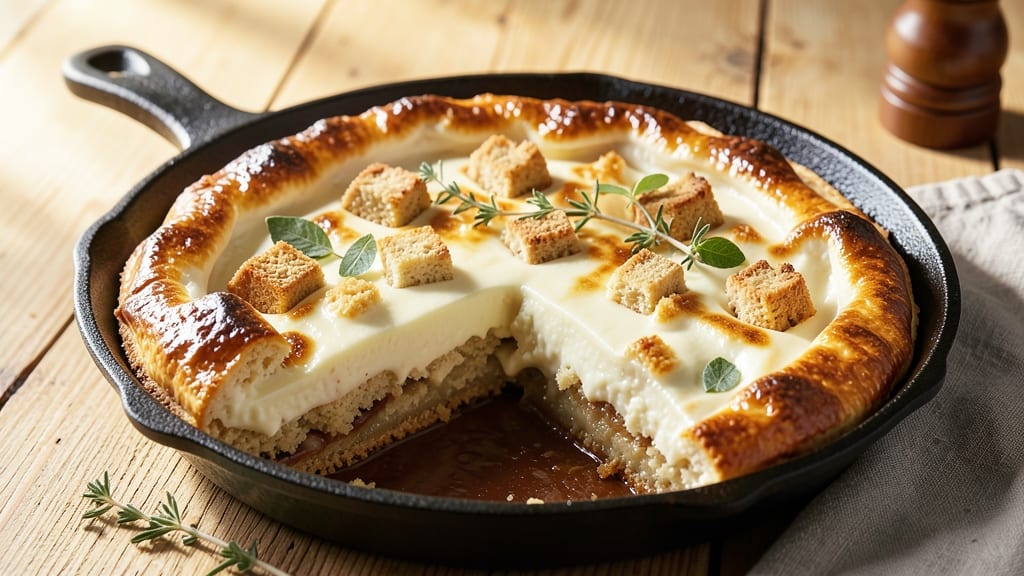
This soul food chess pie recipe brings a taste of Southern tradition to your kitchen with its signature crunchy buttery top and velvety vanilla custard filling. 💛 The secret lies in the hand-crumbled crust—no food processor needed—and the slow-baked custard that transforms into a silky, golden center.
I first tasted this pie at a family gathering where it disappeared in minutes, sparking my mission to recreate its perfect balance of textures and flavors at home.
The beauty of this pie is in its simplicity—just a few pantry staples come together to create a dessert that feels both nostalgic and luxurious.
The crust gets its signature crunch from a mix of flour, sugar, and butter baked to a golden brown, while the custard layer delivers that creamy vanilla bliss that makes every bite unforgettable.
What sets this version apart is the slow-baking technique, which ensures the custard stays rich and smooth without curdling.
By the time it emerges from the oven, you'll have a pie with a crisp, caramelized crust that shatters with each bite, revealing the tender, custardy center beneath. The aroma alone—warm vanilla and buttery crust—will have everyone gathering around the table.
This is the kind of dessert that tastes like home, comfort, and love all in one slice.
Serve it warm with a scoop of vanilla ice cream or a dollop of whipped cream for the full soul food experience. The contrast of temperatures takes it to another level. Let's get baking—this pie is worth every minute of the wait.
Ingredients for soul food chess pie
Buttery crust meets velvety custard—just 12 ingredients for Southern comfort in every bite.
| Ingredient | Amount | Notes |
|---|---|---|
| All-Purpose Flour 🌾 | 2 cups | Sifted for light crust |
| Granulated Sugar 🍚 | ¾ cup | White or light brown |
| Unsalted Butter 🧈 | 1 cup | Cold, cubed for crust |
| Large Eggs 🥚 | 4 whole | Room temperature |
| Vanilla Extract 🌿 | 2 tsp | Pure vanilla preferred |
| Heavy Cream 🥛 | 1 ½ cups | Full-fat for richness |
| Milk 🥛 | ½ cup | Whole milk preferred |
| Granulated Sugar 🍚 | ½ cup | For custard layer |
| Salt 🧂 | ½ tsp | Fine sea salt |
| Cornstarch 🌾 | 2 tbsp | For smooth custard |
| Vanilla Bean Paste 🌿 | 1 tbsp | Optional for extra flavor |
| Powdered Sugar 🍚 | ¼ cup | For dusting top |
The butter matters here. Crisco or European-style butter gives the crust that signature crunch, but regular unsalted works too. I always grab mine from Whole Foods when I can—they keep it cold and fresh. For the vanilla, Madagascar bourbon vanilla adds depth, but pure extract works fine. The eggs should be room temperature—cold eggs can make the custard grainy. If you're in a rush, let them sit in warm water for 5 minutes. The heavy cream is non-negotiable for that rich texture, but half-and-half in a pinch still gives great results.
No vanilla bean paste? Extra vanilla extract or even a scraped vanilla bean pod works. The custard can handle a little extra sugar if you prefer it sweeter—just adjust to taste. For the crust, substitute half the butter with shortening if you're worried about burning. The cornstarch is key for that smooth texture—don't skip it. If you're making this ahead, bake the crust first and store it separately until you're ready to add the custard. The powdered sugar on top? That's just for looks—skip it if you're watching sugar.
This pie tastes even better the next day, so make it ahead. Store the assembled pie (without ice cream) in the fridge for up to 3 days or freeze for 3 months. The crust stays crispy when cold, but the custard gets even more decadent. I always make a double batch—one for now, one for later. To reheat, warm at 300°F for 15 minutes. That slow bake keeps everything perfect.
Why You'll Love This Recipe
- Pantry Staples Only: I swear by this recipe because it uses ingredients I already have—flour, sugar, butter, eggs, and vanilla. No specialty items, no last-minute grocery runs. Just open the cabinet, measure, and go.
- Golden Caramel Crunch: That crispy sugar crust on top? It’s the star. The butter and sugar blend into a buttery, crackly layer that shatters with every bite, while the custard underneath stays silky smooth. Honestly, it’s the kind of texture that makes you close your eyes and sigh.
- Weeknight or Weekend: Make it for a quick dinner when the kids are home, or pull it out for company—it’s equally welcome. The richness feels special, but the effort is low. Between us, I’ve served it at potlucks and had people ask for the recipe before dessert even hit the table.
- Leftovers That Don’t Suck: Soul food desserts often feel heavy, but this one? It reheats beautifully—warm slices taste just as good as fresh. Plus, it’s budget-friendly; a single pie stretches for breakfasts, snacks, or even a midnight treat. My freezer’s always got a backup slice or two.
Step-by-step instructions for soul food chess pie
Here's how to craft that perfect balance of crispy crust and velvety custard—every slice will be pure comfort.
👨🍳 Step 1: Build the Crust with Cold Butter
In a large bowl, combine the 2 cups All-Purpose Flour and 0.75 cup Granulated Sugar. Cut in the 1 cup Unsalted Butter (cold, cubed) using a pastry cutter or your fingers until the mixture resembles coarse crumbs with pea-sized butter pieces. This texture is key—it creates flaky layers when baked.
Gradually add 0.5 cup Milk (just enough to form a dough that holds together when pressed). I like to press it into a ball, wrap it in plastic, and chill for 30 minutes. This resting time relaxes the gluten, making the crust easier to roll out and preventing shrinking. Don't skip this—it's what keeps your crust from cracking during baking.
🍳 Step 2: Prepare the Creamy Vanilla Filling
In a medium saucepan, whisk together the 1.5 cups Heavy Cream, 0.5 cup Milk, 0.5 cup Granulated Sugar, 0.5 tsp Salt, 2 tbsp Cornstarch, and 1 tbsp Vanilla Bean Paste (if using). Cook over medium heat, stirring constantly, until the mixture thickens to a pudding-like consistency—about 5-7 minutes. You'll know it's ready when it coats the back of a spoon and leaves a clear path when you run your finger through it.
Remove from heat and stir in the 2 tsp Vanilla Extract and 4 whole Large Eggs, one at a time, whisking gently after each addition. This step is delicate—don't overmix or you'll create lumps. The filling should be smooth, glossy, and thick enough to hold its shape when poured. Let it cool to room temperature before assembling.
🥘 Step 3: Assemble the Pie in a Deep Dish
Preheat your oven to 350°F. Roll out the chilled dough to fit a 9-inch deep-dish pie plate, pressing it gently into the bottom and up the sides. Trim any excess dough hanging over the edge. Pour the cooled custard filling into the crust, spreading it evenly. The filling should come about ¾ of the way up the sides—this gives room for the crust to puff slightly.
Here's the secret: sprinkle the 0.25 cup Powdered Sugar evenly over the custard. This creates that signature crunchy top layer that's so characteristic of chess pie. The sugar will caramelize slightly during baking, adding both texture and sweetness. For extra flair, you can also sprinkle a pinch of cinnamon or nutmeg over the top.
🔥 Step 4: Bake to Golden Perfection
Bake for 45-50 minutes until the crust is deep golden brown and the custard is set but still slightly jiggly in the center (it'll firm up as it cools). If the edges brown too quickly, cover them loosely with aluminum foil. The pie is done when a toothpick inserted near the center comes out clean.
Let the pie cool completely at room temperature before slicing—this prevents the custard from running. I know it's tempting to dig in right away, but patience here makes all the difference. Once cooled, the contrast between the crispy sugar top and creamy custard will be even more pronounced. Serve with a dollop of whipped cream if you're feeling extra indulgent!
Pro Tips For Making Soul Food Chess Pie
- Whisk Eggs Cold: Crack eggs straight into the bowl over ice water—this keeps them from scrambling when they hit the hot butter. I learned this the hard way after making a lumpy mess that looked like someone beat it with a spoon.
- Brown the Butter: Don’t just melt that butter—let it turn golden brown with nutty aroma before mixing it into the flour. The deeper color means richer flavor, and it cuts through the sweetness better than pale, melted butter ever could.
- Skip Overmixing: Once the dough comes together, fold it just until combined—no need to knead or work it like bread dough. Overmixing develops gluten, and you’ll end up with a tough, chewy crust instead of the tender, crumbly texture chess pie deserves.
- Chill the Dough: Press the dough into the pan and refrigerate it for at least 30 minutes before baking. This prevents shrinking and guarantees an even rise—no more lopsided edges or a sunken center when it comes out of the oven. (Yes, even if you’re impatient like me.)
Essential equipment for this recipe
Pie Plate Essentials
A 9-inch deep-dish pie plate is non-negotiable for this recipe—it gives the crust proper support while allowing the custard to rise beautifully. I recommend Wilton deep-dish plates for their sturdy construction and even heat distribution.
If you don't have one, a glass pie dish works too, though it may require slightly longer baking. Avoid thin metal plates—they can cause uneven browning and potential burning. 🥧
Crust-Building Tools
For the crust, you'll need a pastry cutter (like the OXO Good Grips) or your fingers to cut butter into flour. A rolling pin is essential for shaping the dough—look for one with wooden or marble handles for better grip.
I also keep a bench scraper nearby to trim excess dough cleanly. If you're short on time, a food processor can handle the initial mixing, but hand-crumbing gives that signature texture. 🧈
Custard Mixing Gear
A medium saucepan with sloped sides (like All-Clad) prevents spills while thickening the custard. A whisk is critical for smooth incorporation of eggs—use a balloon whisk for maximum air incorporation.
For precise temperature control, a candy thermometer helps monitor the custard's thickening point. If you're worried about lumps, a fine-mesh sieve can strain any stray bits before pouring. 🍳
Baking Must-Haves
Your oven needs a wire cooling rack to let air circulate underneath the pie, preventing soggy bottoms. A pie bird (or foil tent) helps keep the custard moist if the edges brown too quickly.
For testing doneness, keep a toothpick handy—it should come out clean with no wet filling. I also recommend parchment paper to line the pie plate for easy removal and cleaner slices. 🔥
Optional Extras
For the ultimate presentation, a pie server with a serrated edge makes clean slices effortless. A powdered sugar sifter ensures even distribution for that signature crunchy top. If you're feeling fancy, a vanilla bean scraper maximizes flavor from your paste.
And for serving, a pie stand elevates your creation while keeping it off hot countertops. ✨
Nutrition facts
Frequently asked questions
Why is this called "chess pie"?
The name comes from its origins in the American South, where it was traditionally served at chess tournaments and gatherings. Some say the crumbly topping resembles a chessboard when baked, while others believe it's simply a nod to the pie's popularity among chess enthusiasts. Either way, it's become a staple of Southern soul food dessert tables.
Can I make the crust ahead of time?
The crust can be prepared up to 24 hours in advance and stored wrapped in plastic in the fridge. For best results, bake it blind (with pie weights or dried beans) for 15 minutes at 350°F before adding the custard. This prevents sogginess and gives you a perfectly crisp base when you're ready to assemble.
What's the secret to a smooth custard?
Temperature control is key! Whisk the eggs into the warm (not hot) custard mixture gradually to prevent curdling. Always cook over medium heat and stir constantly until it thickens to a pudding consistency. Let it cool completely before pouring into the crust—this ensures a silky texture rather than a grainy one.
Can I substitute heavy cream in the custard?
You can use half-and-half in a pinch, but the texture will be lighter. For richness, try evaporated milk or even Greek yogurt (thinned with milk) for a tangy twist. The custard will still be delicious, though the traditional version with heavy cream delivers that signature soul food decadence.
How do I fix a cracked crust?
Don't panic! If the crust cracks during baking, simply sprinkle more powdered sugar over the broken areas and return to the oven for 5-10 minutes until golden. The sugar will caramelize and create a beautiful, crunchy patch. For prevention, chill the dough longer and avoid overworking it when rolling.