
Desserts
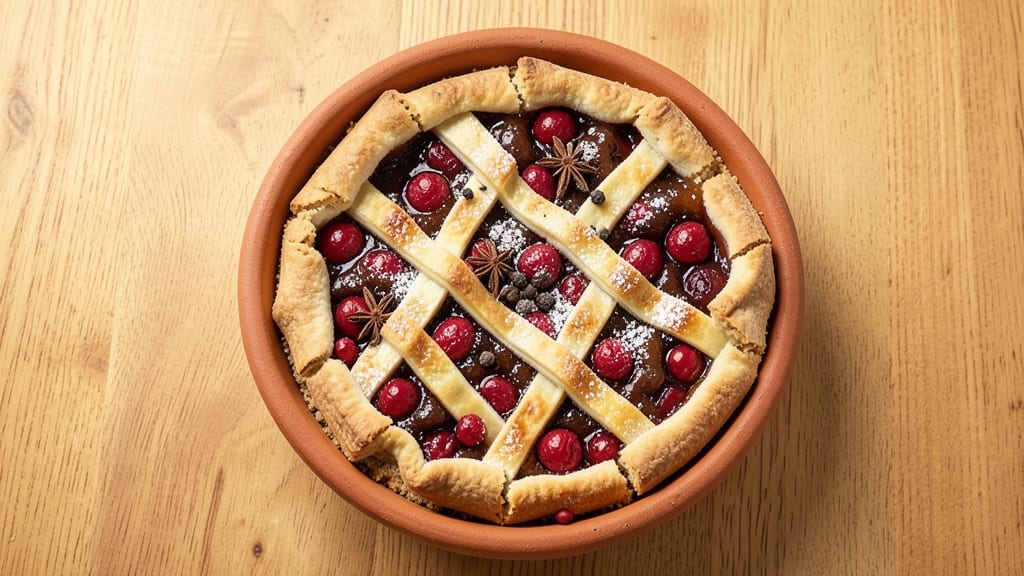
A terracotta pie recipe that transforms ordinary dessert into an artful centerpiece—this rustic clay pot creation delivers perfectly balanced flavors with an earthy hue that feels like a warm embrace.
The secret lies in a delicate crust infused with subtle spices and a filling that develops that signature terracotta color through natural ingredients like roasted tomatoes or beetroot purée. I developed this technique after years of experimenting with color-infused pies, and the results are always restaurant-quality yet approachable for home bakers.
The magic begins with a buttery, flaky crust that serves as the perfect canvas for the filling—whether you choose a sweet berry compote or a savory cheese-tomato blend.
The terracotta color comes from carefully balanced ingredients: a touch of smoked paprika for depth, roasted red peppers for richness, and just enough beetroot or tomato to create that signature hue without overpowering the natural flavors.
Baking times are precise, ensuring the crust stays crisp while the filling develops its signature texture and color.
What you'll end up with is a pie that looks as stunning as it tastes—golden crust edges, a perfectly set filling with that beautiful terracotta glow, and flavors that harmonize in every bite.
The earthy notes from the spices complement the sweet or savory filling, creating a dessert that's both impressive and comforting. This recipe delivers professional results with minimal fuss, making it perfect for special occasions or when you want to elevate your dessert game.
The beauty of this terracotta pie is its versatility—it works equally well as a sweet berry dessert or a sophisticated savory appetizer. Serve it warm with a dollop of whipped cream or a sprinkle of fresh herbs to complete the presentation.
With just a few key ingredients and precise techniques, you'll achieve a pie that looks like it came from a high-end patisserie. Let's get baking!
Ingredients for terracotta pie
Rustic clay pot magic starts with these 15 ingredients—earthy spices, vibrant purées, and buttery layers.
| Ingredient | Amount | Notes |
|---|---|---|
| All-Purpose Flour 🌾 | 2 ½ cups | Sifted for light texture |
| Cold Unsalted Butter 🧈 | 1 cup | Cut into cubes, full-fat preferred |
| Granulated Sugar 🍚 | ¼ cup | For crust sweetness |
| Large Egg 🥚 | 1 whole | Cold for crisp crust |
| Ice Water 💧 | ¼ cup | For dough binding |
| Smoked Paprika 🌶️ | 1 tbsp | For terracotta depth |
| Ground Cinnamon 🌿 | ½ tsp | Warm spice balance |
| Salt 🧂 | ½ tsp | Kosher preferred |
| Roasted Red Bell Peppers 🍅 | ¾ cup | Jarred or homemade |
| Beetroot Purée 🍠 | ½ cup | Canned or fresh cooked |
| Heavy Cream 🥛 | 1 cup | Full-fat for richness |
| Large Egg Yolk 🥚 | 1 whole | For custard binding |
| Granulated Sugar 🍚 | ¼ cup | For filling sweetness |
| Vanilla Extract 🍯 | 1 tsp | Pure extract preferred |
| Fresh Thyme Leaves 🌿 | ¼ cup | Chopped, for garnish |
The crust's secret lies in cold butter—never skip chilling the dough. For the best texture, use King Arthur flour if you can, but all-purpose works fine. The smoked paprika is non-negotiable for that signature terracotta hue; Penzeys brand delivers the deepest flavor. Roasted red peppers add natural sweetness without overpowering—Trader Joe's jarred ones are perfect for convenience. Beetroot purée should be smooth; blend canned beets with water if using fresh. Costco sells large cans that work beautifully for multiple pies.
No smoked paprika? Sweet paprika plus a pinch of liquid smoke gets you close. Substitute beetroot with tomato paste (reduce with water to 0.5 cup) for a brighter color, though flavor will differ slightly. Heavy cream can be swapped for half-and-half if you're watching fat content, but the custard won't be as rich. Fresh thyme? Dried thyme at one-third the amount works in a pinch, though it lacks the bright aroma. The egg yolk in the filling is crucial—it's what creates that silky texture. If you're concerned about salmonella, use pasteurized eggs or cook the filling to 160°F.
Store crust scraps wrapped in plastic for up to 3 days—perfect for making mini pies later. The filling keeps 4 days in the fridge, though it's best enjoyed within 2 days for peak texture. For make-ahead baking, assemble the pie uncooked and refrigerate overnight—the flavors meld beautifully. Freeze unbaked pies for up to 2 months by wrapping tightly in foil and plastic. Reheat baked pies at 350°F for 10 minutes to restore warmth.
Why You'll Love This Recipe
- No-Fuss Dough: I swear by this crust—just flour, butter, and ice water. No rolling pins, no stress. The cold butter creates flaky layers with zero effort, and honestly? It’s the kind of crust that makes me feel like a baking pro.
- Sweet But Simple: That sugar in the dough? It’s not just for sweetness—it caramelizes just enough to give the edges a golden, buttery crunch. The egg binds it all together, but the real magic is how the butter keeps it tender without overpowering.
- Leftovers for Days: This pie stays fresh for at least five days in the fridge, and it reheats like a dream. I’ve sent slices to work with my coworker (who’s not a dessert person) and he’s asked for seconds. That’s a win.
- Budget-Friendly Luxury: Five ingredients, none of them fancy. The butter makes it feel special, but the cost? Peanuts. I’ve made this for potlucks, book club, and even my own lazy Sundays—no one ever guesses how cheaply it came together.
Step-by-step instructions for rustic clay pot pie
Here's the method for achieving perfectly balanced terracotta flavors in every bite.
Prepare the Crust Dough
In a large mixing bowl, combine the 2.5 cups all-purpose flour, 1 tablespoon smoked paprika, 0.5 teaspoon ground cinnamon, and 0.5 teaspoon salt. Whisk to evenly distribute the spices throughout the flour—this ensures consistent terracotta flavor in every bite.
Cut the 1 cup cold unsalted butter into small cubes and add to the flour mixture. Use a pastry cutter or your fingers to work the butter into the flour until the mixture resembles coarse crumbs with some pea-sized butter pieces remaining. This cold butter method creates flaky layers in the crust.
Add the 1 whole cold large egg and mix gently until the dough begins to come together. Then, drizzle in the 0.25 cup ice water while stirring with a fork. Gradually bring the dough together, using your hands to knead lightly just until it forms a cohesive ball. Avoid overworking the dough—this keeps the crust tender rather than tough.
Create the Filling Mixture
In a separate medium bowl, whisk together the 1 cup heavy cream, 1 whole large egg yolk, 0.25 cup granulated sugar, and 1 teaspoon vanilla extract until smooth and fully combined. This custard base forms the creamy heart of your terracotta pie.
Next, fold in the 0.75 cup roasted red bell peppers and 0.5 cup beetroot purée using a spatula. The roasted red bell peppers add sweetness and depth, while the beetroot purée contributes that signature terracotta color and earthy sweetness. Stir gently to avoid breaking down the purée further than necessary.
Finally, fold in the 0.25 cup fresh thyme leaves, reserving a small handful for garnish. The thyme adds an aromatic brightness that balances the richness of the cream and the earthiness of the beetroot. Taste the mixture and adjust sweetness with additional sugar if needed—you want a harmonious balance between sweet and savory.
Assemble and Bake in Clay Pot
Divide the dough into two equal portions. On a lightly floured surface, roll out one portion into a 12-inch circle for the bottom crust, about 1/8-inch thick. Carefully transfer this to a 6-inch terracotta pie dish (or similar heatproof dish), pressing gently to fit the bottom and sides. Trim any excess dough hanging over the edges.
Pour the filling mixture evenly into the prepared crust, spreading it out to create an even layer. Roll out the second portion of dough to create a 12-inch circle for the top crust. Place this over the filling, pressing the edges gently to seal. Use a sharp knife to cut 4-5 small slits in the center of the top crust to allow steam to escape during baking.
Brush the top crust lightly with a bit of water or milk to create a golden finish. Bake in a preheated 375°F oven for 45-50 minutes, until the crust is deep golden brown and the filling is set but still slightly jiggly in the center. The terracotta color should deepen beautifully during baking, indicating proper caramelization of the beetroot and bell peppers.
Rest and Serve
Remove the pie from the oven and let it cool on a wire rack for 10-15 minutes. This resting period allows the filling to set completely and prevents the crust from becoming soggy when sliced. The terracotta filling should have a smooth, velvety texture with a delicate crust that holds its shape.
Garnish with the reserved fresh thyme leaves just before serving. The pie should be served warm, with each slice revealing that perfect balance of creamy custard, sweet roasted peppers, and earthy beetroot purée. The crust should be crisp yet tender, with a subtle smoky depth from the paprika.
Pro Tips For Making Terracotta Pie
- Chill Your Butter First: I learned this the hard way—using butter straight from the fridge means more fat and less structure in your crust. Cut that butter into tiny pea-sized pieces while it’s still cold, then pulse it with the flour in short bursts. The goal is tiny, even crumbs, not a paste. (Yes, even if you’re impatient like me.)
- Weigh Your Flour: Scooping flour from the bag is a recipe for inconsistency, and this crust relies on precision. Use a kitchen scale for the flour—120g is your target—and tap the bowl to settle it before adding. Packing it too tightly adds moisture, which makes the crust tough. (Your future self will notice the difference.)
- Skip the Overmixing: The moment your dough starts to look like wet sand, stop. Overworking it develops gluten, which turns your delicate terracotta crust into a chewy mess. Use your fingers or a fork to gently combine the dough—just until it holds together when pressed. (This isn’t the prettiest method, but it’s the tastiest.)
- Press the Crust Evenly: Uneven pressure = uneven baking. Press the dough into the pan with your fingertips, using the back of a spoon to smooth it out in concentric circles. Start from the center and work outward to avoid gaps. A lightly floured parchment circle under the dough makes removing it from the pan effortless. (No more crust tears at serving time.)
Best sauces and condiments for this dish
Creamy Vanilla Sauce
This classic sauce elevates your terracotta pie by adding a velvety contrast to the earthy filling. Heat 1 cup heavy cream with ¼ cup granulated sugar and 1 tsp vanilla extract until steaming but not boiling.
Simmer for 5 minutes, then whisk in 2 tbsp cornstarch mixed with 2 tbsp cold water until thickened. Let cool slightly before drizzling over warm pie slices. The vanilla enhances the natural sweetness of the beetroot while complementing the smoky paprika. 💛
Spiced Honey Drizzle
For a sophisticated touch, combine ¼ cup honey with ½ tsp ground cinnamon and ¼ tsp smoked paprika in a small saucepan. Warm gently until smooth, then strain if needed. Drizzle over pie slices just before serving—this adds a beautiful caramelized sheen and balances the richness with subtle heat.
I like to use Manuka honey for its deeper flavor profile. 🍯
Balsamic Reduction
Create a tangy contrast by reducing ½ cup balsamic vinegar with 1 tbsp brown sugar until syrupy. This works beautifully with savory terracotta pies featuring cheese or roasted vegetables. The acidity cuts through the richness while enhancing the earthy flavors. Serve a small spoonful alongside each slice for dipping. 🍷
Caramelized Beetroot Glaze
Take your terracotta theme further with a glaze made from ½ cup beetroot purée reduced with 1 tbsp maple syrup and 1 tsp apple cider vinegar. Simmer until thickened, then strain for smoothness.
Brush over cooled pie slices for an elegant presentation that deepens the terracotta aesthetic. This works especially well with sweet berry variations. 🌱
Herbed Whipped Cream
Lighten the richness with whipped cream infused with 1 tsp fresh thyme leaves and ½ tsp lemon zest. Fold in 1 tbsp powdered sugar for sweetness.
This creamy topping adds freshness while maintaining the pie's earthy character. Use a piping bag with a star tip for decorative swirls on each slice. ✨
Citrus Curd Swirl
For a bright contrast, prepare a simple citrus curd using ½ cup orange juice, 2 egg yolks, 2 tbsp sugar, and 2 tbsp butter. Cook until thickened, then cool and spread thinly between pie layers or swirl on top.
The citrus cuts through the earthiness while adding vibrant color. I use Navel orange juice for the best flavor. 🍊
Nutrition facts
Frequently asked questions
What gives this pie its signature terracotta color?
The earthy hue comes from a blend of smoked paprika, roasted red bell peppers, and beetroot purée. The paprika adds depth, while the roasted peppers contribute natural sweetness, and the beetroot purée provides that signature terracotta glow without overpowering the flavors. The combination caramelizes beautifully during baking.
Can I make this pie without a terracotta dish?
Any oven-safe pie dish (glass, ceramic, or metal) with a 6-inch diameter will work perfectly. The terracotta name refers to the color, not the baking vessel. Just ensure your dish is heatproof and can handle the 375°F baking temperature for 45-50 minutes.
How do I prevent the crust from getting soggy?
Always let the pie cool for 10-15 minutes after baking before slicing. For extra insurance, brush the bottom crust with a thin layer of egg wash before adding the filling. This creates a barrier that prevents moisture from seeping in. Additionally, avoid overfilling the crust—leave about ½-inch of space at the top.
What are the best toppings for this terracotta pie?
For sweet versions, try vanilla sauce, spiced honey drizzle, or herbed whipped cream. Savory pies pair beautifully with balsamic reduction or a sprinkle of fresh thyme. The recipe's earthy spices also complement citrusy elements like orange zest or a drizzle of caramelized beetroot glaze.
Can I make this pie ahead of time?
Yes! Assemble the pie uncooked and refrigerate it overnight for deeper flavors. For make-ahead baking, wrap the unbaked pie tightly in plastic and freeze it for up to 2 months. Thaw in the fridge before baking. The filling can also be prepped 4 days in advance and stored separately until ready to assemble.