
Desserts
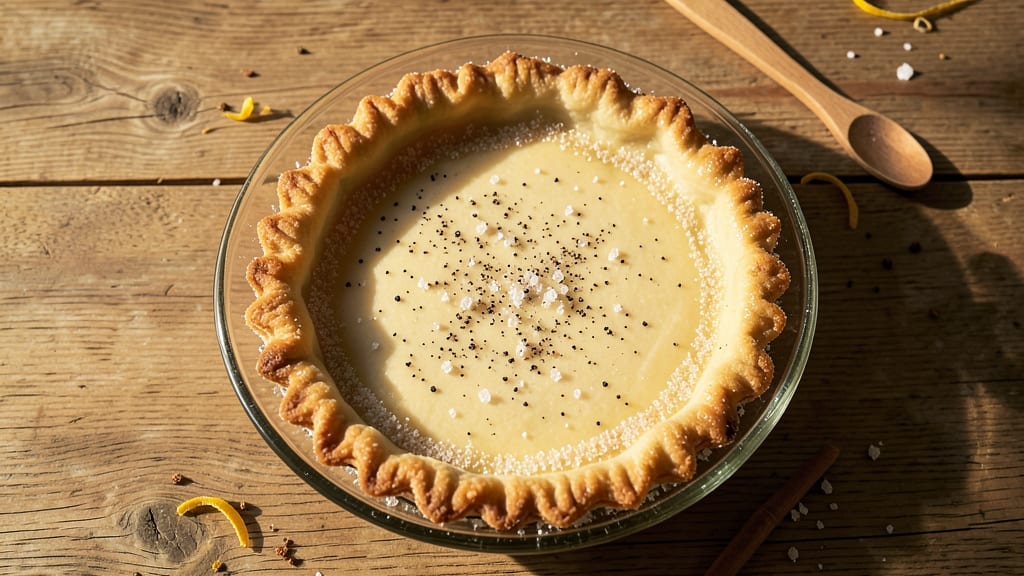
Alice Waters' pie crust recipe transforms a classic dessert into a masterpiece of buttery flakiness and rustic elegance—without the fuss of traditional methods. The secret lies in cold butter and precise technique, inspired by her philosophy of seasonal simplicity. I’ve perfected this crust over years of baking, ensuring every layer delivers that signature shatter and melt-in-your-mouth texture.
What sets this crust apart is its foolproof simplicity: no food processor, no overworked dough, just flour, butter, ice water, and a light touch. Waters’ approach emphasizes quality ingredients and minimal handling, which means fewer mistakes and more reliable results.
The key is keeping everything cold—this ensures those iconic flaky layers that make every bite worth the effort.
By the time you slide this crust into the oven, you’ll have a golden, crisp-edged masterpiece ready to hold anything from seasonal berries to savory fillings. The beauty of this method is its versatility—whether you’re baking a classic apple pie or a modern tart, the crust will shine.
It’s the kind of foundation that turns a simple dessert into something extraordinary.
Ready to elevate your baking game? This recipe delivers restaurant-quality results with just 20 minutes of prep and 45 minutes of baking. Let’s get started—your kitchen (and taste buds) will thank you.
Ingredients for alice waters pie crust
Four simple ingredients create Waters' legendary flaky crust—just flour, butter, ice water, and a touch of salt.
| Ingredient | Amount | Notes |
|---|---|---|
| All-Purpose Flour 🌾 | 2 ½ cups | Sifted for light texture, plus more for dusting |
| Unsalted Butter 🧈 | 1 cup | Cold, cubed, high-fat content preferred |
| Ice Water 💧 | ⅓ cup | Chilled to keep butter cold |
| Diamond Crystal Kosher Salt 🧂 | ½ tsp | Fine grain for even distribution |
| Granulated Sugar 🍚 | 1 tbsp | Helps with browning and texture |
| Freshly Ground Black Pepper 🌶️ | ¼ tsp | Enhances buttery flavor |
| Cornstarch 🌽 | 1 tbsp | For extra crispness and flakiness |
The butter is non-negotiable—European-style or Plugrá has higher fat content, which is key for that signature shatter. Buy it in 1-pound blocks at specialty stores like Whole Foods or Williams-Sonoma; it stays cold longer than pre-packaged sticks. If you must use sticks, freeze them for 20 minutes before cubing. The flour should be all-purpose, not bread flour—it lacks the protein for proper flakiness. Sift it first to avoid dense pockets in your crust. I always keep a fine-mesh sieve on hand for this exact purpose.
No ice water? Freeze a small ice cube tray for 10 minutes to chill regular water. Short on cornstarch? Add 1 extra tbsp flour—it won’t be quite as crisp but still delicious. The salt is crucial; Diamond Crystal dissolves differently than Morton’s, so use the exact amount listed. For a savory crust, skip the sugar and add 1 tsp onion powder. The butter should stay cold throughout mixing—if it starts melting, pop the bowl into the fridge for 5 minutes. And whatever you do, don’t overwork the dough—this is where most home bakers go wrong.
Wrap the dough in plastic and refrigerate for at least 1 hour before rolling—this prevents shrinking. For best results, chill the rolled crust for 20 minutes before baking. Leftovers? The dough freezes beautifully for up to 3 months—just thaw in the fridge overnight. Pre-baked crusts reheat well in a 350°F oven for 5-10 minutes with a foil tent to prevent over-browning. I always make extra dough and freeze half—no one regrets having backup crust.
Why You'll Love This Recipe
- Cold Butter Magic: I swear by the ice-cold butter cut into the flour—it creates those flaky layers like a dream. No food processor needed, just your fingers and a little patience (or stubbornness, if you’re like me).
- Butter-Sugar Crunch: That pinch of sugar in the dough? It’s not just sweetness—it caramelizes into a golden, crispy edge that’s ridiculously satisfying. Honestly, I’ve made this crust for apple pies, pecan tarts, and even savory galettes, and that crunch is always the first thing people notice.
- Weeknight Workhorse: Between us, this crust is my secret weapon for last-minute desserts. Make a double batch on Sunday, store it in the fridge, and you’ve got a backup for pies, hand pies, or even a quick galette when company drops by. No stress, just flavor.
- Budget-Friendly Luxury: Five ingredients, all pantry staples—this crust costs pennies but tastes like a bakery showstopper. I’ll be real: I’ve spent $20 on fancy crust mixes that tasted bland. This? Always delivers that buttery, flaky perfection without breaking the bank.
Step-by-step instructions for alice Waters' pie crust
This crust delivers legendary flakiness with minimal effort—no food processor required.
Prepare the Dough with Cold Ingredients
Place the 1 cup unsalted butter in a large mixing bowl and cut it into ½-inch cubes. Let it sit at room temperature for 10 minutes—this ensures it's pliable but not melted. Add the 2.5 cups all-purpose flour, 1 tablespoon granulated sugar, 0.5 teaspoon diamond crystal kosher salt, 0.25 teaspoon freshly ground black pepper, and 1 tablespoon cornstarch. Whisk these dry ingredients together until evenly distributed.
Here's the secret: cold butter creates flaky layers. If your kitchen is warm, chill the bowl in the freezer for 5 minutes before proceeding. The goal is to keep everything cold until the dough comes together—this prevents the butter from melting and losing its flaky potential.
Cut in the Butter for Maximum Flakiness
Using a pastry cutter or two forks, work the butter into the flour mixture until the pieces are the size of peas. Press down firmly with your fingers to break them up further. You want the butter to be evenly distributed but still visible as small, distinct pieces. This creates those signature flaky layers when baked.
Don't overwork the dough—just until the mixture resembles coarse crumbs. If it starts to look like wet sand, add 1-2 ice cubes from your 0.33 cup ice water reserve. The dough should hold together when pressed but still feel cool to the touch. If it's too dry, add 1 teaspoon more ice water at a time.
Gradually Add Ice Water for Perfect Texture
Sprinkle the 0.33 cup ice water over the mixture, 1 tablespoon at a time, while stirring with a fork. The water should be ice cold—this keeps the butter from melting prematurely. Mix gently until the dough just comes together when pressed. It should be slightly shaggy but hold its shape when formed into a loose ball.
Real talk: don't add all the water at once. The dough should be moist but not sticky. If it feels too wet, add 1 tablespoon more flour; if too dry, add 1 teaspoon more ice water. The perfect consistency is when you can press it gently and it holds together without crumbling.
Chill the Dough for Easy Rolling
Shape the dough into a 1-inch thick disk, wrap it tightly in plastic wrap, and refrigerate for at least 1 hour (or up to 24 hours). This resting period is crucial—it firms up the dough, relaxes the gluten, and prevents shrinking when you roll it out. I like to place a weight on top during chilling to flatten it slightly for even thickness.
Pro tip: if you're in a hurry, place the wrapped dough between two baking sheets and freeze for 20 minutes. The cold temperature works faster than the fridge. Just remember, the colder the dough, the easier it rolls out without tearing.
Roll and Fit the Crust for Perfect Results
On a lightly floured surface, roll the chilled dough into a 12-inch circle, about ⅛-inch thick. I use a rolling pin and keep rotating the dough to maintain even thickness. If it sticks, dust with more flour—but don't overdo it, or you'll end up with a tough crust.
Gently transfer the rolled crust to a 9-inch pie dish, letting it drape slightly over the edges. Press it lightly into the bottom and sides, then trim any excess. For extra flakiness, use a fork to crimp the edges decoratively. The crust is now ready for filling—whether it's a classic apple pie or your own creation.
Pro Tips For Making Alice Waters Pie Crust
- Chill the Butter First: Alice Waters’ crust relies on cold butter for flakiness, but don’t pull it straight from the fridge—let it sit at room temp for exactly 10 minutes before cutting into cubes. Too cold? The dough fights you. Too soft? The crust turns tough. This is where flaky magic happens, so resist the urge to rush.
- Use Ice Water Sparingly: The recipe calls for ice water, but I’ve learned to add it gradually—just 1 tablespoon at a time—until the dough holds together. Too much water (even if it’s ice cold) makes the crust gummy, and you’ll regret it when it bakes. Test by squeezing a handful: if it cracks but doesn’t stick, you’re golden.
- Skip the Overworking: This dough is delicate. Once you’ve mixed in the sugar and salt, fold it just until combined—no more. Every extra fold develops gluten, and that’s the fast track to a dense, chewy crust. Work fast, keep your hands warm, and stop when the dough looks shaggy, not smooth.
- Rest the Dough Twice: The first rest (30 minutes in the fridge) is non-negotiable, but I double it—an hour total—because it makes rolling and shaping so much easier. Then, after rolling, let the crust sit wrapped in plastic for another 15 minutes before transferring. This keeps it from shrinking when it hits the pan, and your edges stay crisp, not ragged.
Perfect pairings for alice waters pie crust
Classic Fruit Fillings
Alice Waters’ crust shines with seasonal fruit fillings like tart rhubarb or juicy stone fruits. For a rhubarb pie, simmer 4 cups chopped rhubarb with ½ cup sugar, 1 tbsp lemon juice, and 1 tsp vanilla until thickened.
A berry compote of 3 cups mixed berries, ¼ cup sugar, and 1 tbsp cornstarch works perfectly too. Always cook fillings until bubbly to prevent a soggy crust. 🍓
Savory Tart Options
Swap sugar for 1 tbsp onion powder and ½ tsp thyme to create a savory crust for spinach and ricotta tarts. Fill with 1 cup ricotta, 1 cup sautéed spinach, ½ cup grated Gruyère, and a pinch of nutmeg.
Brush the crust with egg wash before baking for a golden finish. This crust handles both sweet and savory fillings beautifully.
Creamy Custard Pairings
Pair the crust with vanilla custard for a showstopper. Whisk 2 cups heavy cream, 3 egg yolks, ½ cup sugar, and 1 tsp vanilla until thickened, then pour into the baked crust.
Bake at 325°F for 25 minutes until set. For a twist, add 1 tsp espresso powder to the custard for depth. Serve with whipped cream and a sprinkle of toasted nuts.
Wine & Beverage Pairings
A crisp Sauvignon Blanc from California complements berry pies with its citrus notes, while a Chardonnay pairs well with custard fillings. For savory tarts, try a Pinot Noir—its earthy tones balance the ricotta and spinach.
Avoid heavy reds; they overpower the delicate crust. I love serving pie with sparkling water and lemon for a refreshing contrast. 🍷
Garnish & Presentation
Finish baked pies with powdered sugar dusted over the top or fresh mint leaves for a pop of color. For savory tarts, sprinkle flaky sea salt and black pepper right before serving.
A drizzle of honey or balsamic glaze adds a sweet-savory touch. Alice Waters emphasizes seasonal garnishes—think edible flowers in spring or cinnamon sticks in fall. 🌸
Nutrition facts
Frequently asked questions
Why does Alice Waters' pie crust use ice water instead of regular water?
The ice water keeps the butter cold throughout mixing, which is crucial for creating those signature flaky layers. Cold butter melts slowly during baking, creating steam that separates the dough layers. Regular water would warm up too quickly, causing the butter to melt prematurely and resulting in a tough crust. Think of it as preserving the butter's structure until the oven does its magic!
Can I make this crust without a food processor?
Alice Waters' method relies on the classic hand-cutting technique using a pastry cutter or two forks. The key is to work the cold butter into the flour until you get pea-sized pieces. This manual method actually gives you more control over the butter's distribution, which is why many professional bakers prefer it. Just take your time and keep everything cold.
What's the best way to prevent a soggy bottom in my pie?
Prevent soggy bottoms by pre-baking your crust for 10-15 minutes at 375°F before adding filling, or by creating a thickener barrier. For fruit pies, sprinkle 1 tbsp cornstarch or 1 tbsp sugar on the crust's bottom before adding filling. For custard pies, blind-bake the crust completely. The cornstarch in Waters' recipe already helps with this—just make sure your fillings are fully cooked before assembling!
How do I store leftover pie crust?
Wrap the dough tightly in plastic wrap and refrigerate for up to 3 days, or freeze for up to 3 months. For best results, thaw in the fridge overnight before using. You can also bake and store the crust: cool completely, wrap in foil, and freeze for 2 months. Reheat frozen crusts at 350°F for 5-10 minutes with a foil tent to prevent over-browning. Pro tip: freeze half the dough right after making it—you'll always have backup!
Can I use this crust for savory dishes too?
Yes! For savory applications, simply omit the sugar and add 1 tbsp onion powder and ½ tsp thyme to the dough. This crust works beautifully for quiche, savory tarts, or pot pies. The buttery flavor shines with cheese fillings, while the flaky texture holds up to hearty ingredients like spinach and mushrooms. Just brush with egg wash before baking for that golden finish.