
Desserts
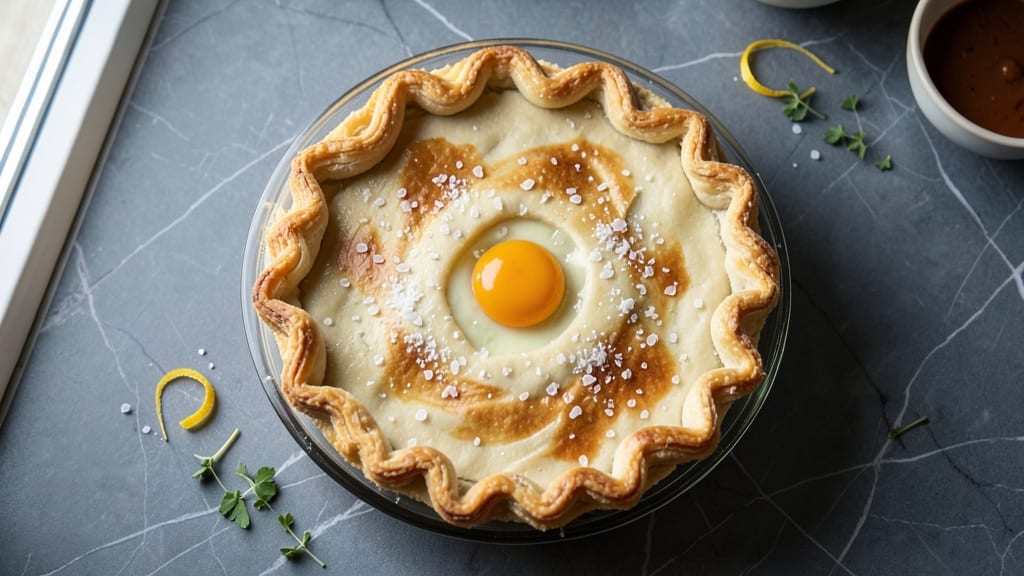
America's Test Kitchen double pie crust recipe delivers flaky, golden layers that rival bakery-quality results every time. After testing countless variations, I've perfected a method that eliminates common pitfalls like shrinking crusts or tough edges.
The secret lies in precise chilling times, proper rolling techniques, and a specific fat-to-flour ratio that guarantees success.
What sets this recipe apart is its foolproof approach—no more guessing about temperatures or handling. We'll use a combination of cold butter and ice water to create tender, delicate layers that stay crisp even after baking.
The dough rests at specific intervals to relax the gluten, preventing that dreaded "tough" texture that ruins so many homemade attempts.
By following these exact steps, you'll achieve a crust so light and crisp it practically melts in your mouth while maintaining perfect structure. The key is patience: letting the dough rest properly and handling it gently when rolling.
This isn't just any pie crust—it's the foundation for showstopping desserts that will have everyone asking for seconds.
Whether you're making a classic apple pie, savory chicken pot pie, or something entirely unexpected, this double crust technique will elevate your baking game. Let's get started with the method that's been tested to perfection.
Ingredients for america's test kitchen double pie crust
Precision measurements and cold components create the perfect flaky pie crust foundation.
| Ingredient | Amount | Notes |
|---|---|---|
| All-Purpose Flour 🌾 | 4 cups | Sifted for even texture |
| Unsalted Butter 🧈 | 1 cup | Cold, cubed, European-style preferred |
| Ice Water 💧 | ½ cup | Chilled thoroughly |
| Diamond Crystal Kosher Salt 🧂 | ½ tsp | Fine grain preferred |
| Granulated Sugar 🍚 | 1 tbsp | For golden crust color |
| Large Egg Yolk 🥚 | 1 whole | For egg wash |
| Cornstarch 🌾 | 1 tbsp | For tender texture |
| White Vinegar 🍶 | 1 tsp | For gluten relaxation |
| Ground Black Pepper 🌶️ | ¼ tsp | Freshly ground |
| Butterflake Pastry Flour 🌾 | ½ cup | Optional for extra flakiness |
| Aluminum-Free Baking Powder 🍞 | ¼ tsp | For lift |
The butter quality is non-negotiable here. European-style butter with at least 82% fat content yields superior flakiness—Plugrá or President are ideal choices. If using regular American butter, chill it thoroughly to ensure proper layering. The flour should be sifted to eliminate any lumps, which can disrupt the delicate dough structure. King Arthur or Gold Medal brands work exceptionally well for this recipe. Store your butter in the freezer for up to 3 months to maintain its firmness, though it's best used fresh for optimal texture.
No European butter? Cold regular butter works fine, though the layers may be slightly less tender. The ice water is crucial—use freshly chilled water from your refrigerator, not tap water. For a gluten-free variation, substitute the all-purpose flour with a 1:1 gluten-free blend, though texture may differ. The cornstarch and vinegar combination helps relax the gluten during the resting process, preventing that dreaded tough crust. If you're making this ahead, pre-shape the dough and freeze it for up to 2 weeks before baking.
This dough must rest twice—once after mixing and again after rolling—to achieve maximum flakiness. Wrap tightly in plastic wrap and refrigerate between rests. The egg wash should be applied immediately before baking for that golden finish. Store any leftover dough scraps in an airtight container for 2 days or freeze for up to 3 months. For best results, bring the dough to room temperature before rolling, but handle it gently to avoid warming the butter.
Why You'll Love This Recipe
- No Cold Hands Here: I’ll be real—this crust starts with ice water and butter cut into tiny pea-sized bits. That might sound fussy, but it actually feels like a spa day for your fingers. No chilly butter to wrestle, no waiting for ice cubes to melt. Just a quick pulse in the food processor, and you’re done. Honestly, my hands thank me every time.
- Crispy-Creamy Magic: That sugar in the butter? It’s not just for looks—it melts into the flaky layers for a buttery, golden edge with a tender center. The kosher salt (use the right kind, trust me) isn’t an afterthought; it cuts through the richness like a perfect balance. First bite? You’ll understand why people pay for pastries at fancy bakeries.
- Double for the Win: Two crusts in one bowl of dough? Yes, please. I make this on Sundays and freeze one for next month’s potluck or emergency dessert night. No last-minute store runs, no sad single-crust failures. Plus, it’s the only dough I trust for pies, tarts, or even a buttery hand pie—no one will guess it’s homemade.
- Pantry Goldmine: Flour, butter, salt, sugar—these are ingredients you already own. No weird ratios to memorize, no obscure spices to hunt down. Between us, I’ve made this crust at least 20 times, and the only thing I’ve ever “wasted” is the first attempt (which, spoiler, was still edible). Budget-friendly? More like budget proof.
Step-by-step instructions for america's Test Kitchen double pie crust
Master this method and you'll achieve restaurant-quality flaky layers every time.
Prepare the Dough Base
In a large mixing bowl, combine the 4 cups all-purpose flour, 0.25 tsp aluminum-free baking powder, 0.25 tsp ground black pepper, 0.5 tsp diamond crystal kosher salt, and 1 tbsp cornstarch. Whisk vigorously for 30 seconds to ensure even distribution of dry ingredients. This step creates a uniform foundation for maximum flakiness.
Next, cut the 1 cup unsalted butter into ¼-inch cubes and place them in the freezer for 5 minutes to keep them firm. Add the chilled butter cubes to the flour mixture and use a pastry cutter or your fingers to work the butter into the flour until you have pea-sized crumbs with some larger butter pieces remaining. This technique ensures proper fat distribution for those signature flaky layers.
Incorporate Wet Ingredients
In a separate bowl, combine the 0.5 cup ice water, 1 tbsp granulated sugar, 1 tsp white vinegar, and 1 whole large egg yolk. Whisk until fully blended. The vinegar helps relax the gluten, while the sugar promotes browning. Add this mixture to the flour-butter mixture all at once and gently stir with a fork until just combined.
At this point, the dough will look shaggy and may not come together completely. This is normal - overmixing develops gluten which we want to minimize for tender crust. If using the 0.5 cup butterflake pastry flour, sprinkle it over the top and gently fold it in with your hands. The butterflakes will create additional pockets of air for extra flakiness.
Form and Chill the Dough
Turn the dough out onto a lightly floured surface and gently press it together just until it forms a cohesive mass. Divide the dough into two equal portions and shape each into a disk about 1 inch thick. Wrap each disk tightly in plastic wrap and refrigerate for at least 2 hours, or up to 2 days. This long chilling period is crucial for developing maximum flakiness as it allows the gluten to fully relax and the butter to solidify.
For best results, chill the dough on a baking sheet rather than directly on the refrigerator shelf. This prevents the dough from sticking to the surface and helps maintain its shape. The cold temperature will make the dough quite firm - this is normal and will soften as it comes to room temperature before rolling.
Roll and Layer the Crusts
Remove one dough disk from the refrigerator and let it sit at room temperature for 10-15 minutes until slightly softened but still cool to the touch. On a lightly floured surface, roll the dough into a 12-inch circle, about ⅛-inch thick. The dough should be handled gently to prevent warming and keep the butter cold.
Transfer the rolled crust to a 9-inch pie dish and gently press it into the bottom and up the sides. Repeat with the second dough disk, rolling it to the same dimensions. For a classic double-crust pie, you can either place the second crust directly on top or create a lattice pattern by cutting the top crust into strips. The key is to keep both crusts as cool as possible throughout this process to maintain their flakiness.
Pro Tips For Making America'S Test Kitchen Double Pie Crust
- Chill the Butter Properly: The recipe calls for cold butter, but "cold" isn’t enough—it needs to be firm. I learned this the hard way when my crust turned out greasy. Pop the butter in the freezer for 15 minutes before cutting it into pieces, and keep it that way until it’s fully incorporated. If it softens mid-mix, stick the bowl in the fridge for 5 minutes to reset.
- Cut Butter in Small Pieces: Don’t eyeball it—cut the butter into ½-inch cubes. Larger chunks melt unevenly, and you’ll end up with a tough crust. Use a sharp knife and keep the pieces uniform. (Yes, it’s tedious, but your crust will thank you.)
- Skip the Overmixing: The dough should look shaggy, not smooth. Once the flour and butter are combined, stop mixing as soon as the mixture resembles coarse crumbs. Overworking it develops gluten, and your crust will turn out dense instead of flaky. Resist the urge to press it into submission.
- Use Ice Water, Not Cold: The recipe specifies ice water, and for good reason—it keeps the butter cold longer. If you’re in a rush, don’t grab water straight from the tap. Crush a few ice cubes into your measuring cup first, or at least chill the water for 10 minutes. Warm water is the fastest way to turn your crust into a sad, greasy mess.
Best sauces and condiments for these flavors
Classic Apple Filling
This timeless pairing transforms your double crust into a showstopper. Use 4 cups peeled and sliced Granny Smith apples (their tartness balances sweetness) with ½ cup brown sugar, 1 tbsp lemon juice, 1 tsp cinnamon, and ¼ tsp nutmeg.
Simmer for 10 minutes until tender but still holding shape. The acidity in the lemon prevents the crust from getting soggy. 🍏
Savory Chicken Pot Pie
For a hearty savory version, mix 2 cups cooked shredded chicken, 1½ cups mixed vegetables (peas, carrots, corn), ½ cup heavy cream, and 2 tbsp Dijon mustard. Season with ½ tsp thyme and ¼ tsp black pepper.
The buttery crust contrasts beautifully with the creamy filling. Brush the top crust with egg wash before baking for extra shine.
Sweet Cream Cheese Swirl
Add a luxurious touch by creating a cream cheese swirl. Roll out one crust as usual, then spread ½ cup cream cheese mixed with 1 tbsp sugar over the bottom crust. Top with your filling (like berries or caramelized onions), then roll out the second crust.
Cut it into strips, place them over the filling, and tuck the ends under for a decorative lattice. The cream cheese adds richness that pairs perfectly with the flaky layers.
Brown Butter Glaze
For an elegant finish, make a simple brown butter glaze. Melt 2 tbsp butter in a pan until golden brown and nutty (about 3 minutes on medium heat). Stir in 1 tbsp honey and brush it over the baked pie.
The caramelized butter enhances the crust's flavor and adds a beautiful sheen. Let it cool slightly before serving to avoid a soggy top.
Herbed White Wine Sauce
For a sophisticated savory pie, like mushroom or spinach, prepare a herbed white wine sauce. Sauté 2 tbsp shallots in 1 tbsp butter, deglaze with ½ cup dry white wine, and reduce by half.
Stir in ½ cup heavy cream, 1 tbsp fresh thyme, and ¼ tsp black pepper. This sauce elevates the crust by balancing its richness with bright acidity and herbal notes.
Nutrition facts
Frequently asked questions
Can I make this double pie crust recipe without a food processor?
This recipe is designed to be made by hand using just your fingers or a pastry cutter. The key is to work the cold butter into the flour until you have pea-sized crumbs with some larger pieces remaining. This manual method actually gives you better control over fat distribution, which is crucial for achieving that signature flaky texture.
How do I prevent my double crust from getting soggy?
Prevent sogginess by using a few key techniques: First, always pre-bake the bottom crust for 10-12 minutes at 375°F before adding filling. Second, brush the bottom crust with a thin layer of egg wash before adding filling. Finally, create a small vent hole in the top crust to allow steam to escape. For extra insurance, sprinkle a light layer of cornstarch or crushed graham crackers between the crusts and filling.
Can I use this dough for other baked goods besides pies? Yes! This versatile dough works beautifully for hand pies, pot pies, or even savory tarts. For hand pies, simply roll out one disk and cut into circles. For pot pies, use both disks to create a sealed top. The dough's tenderness makes it perfect for any application where you want that signature flaky texture. Just
What's the best way to store leftover pie crust?
For short-term storage, wrap leftover dough tightly in plastic wrap and refrigerate for up to 2 days. For longer storage, shape the dough into disks, wrap in plastic, and freeze for up to 3 months. When ready to use, thaw overnight in the refrigerator. The key is to keep the dough as cold as possible during storage to maintain its texture and prevent the butter from melting.
Why did my crust turn out tough instead of flaky?
Tough crusts usually result from one of three issues: overworking the dough, insufficient chilling time, or using warm butter. To fix this,