
Desserts
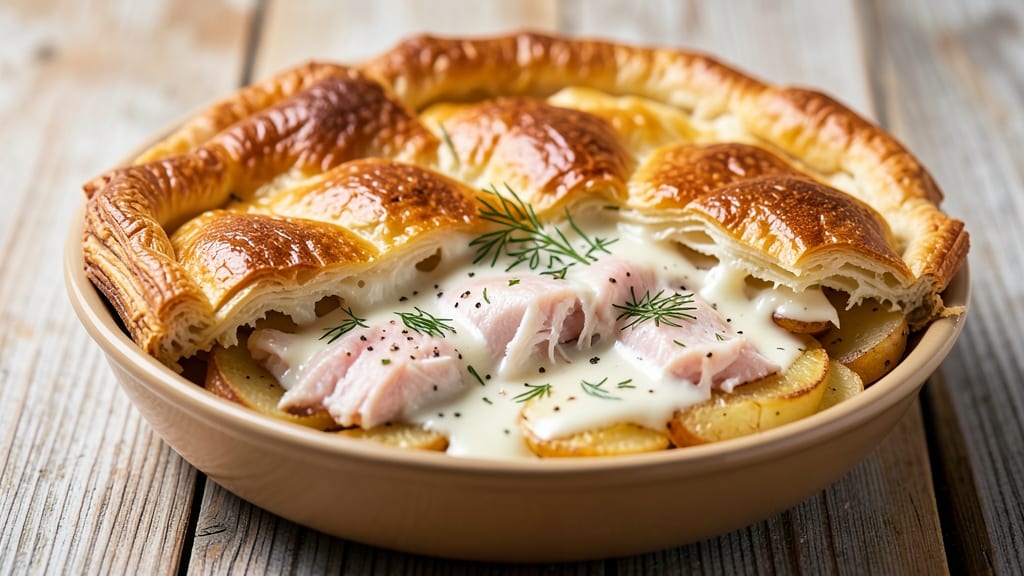
This America's Test Kitchen fish pie recipe delivers the ultimate comfort food experience—crispy golden crust, creamy potato layer, and flaky fish filling all in one perfect bite.
The secret lies in foil-sealing the pie during baking, which ensures a tender filling while creating that coveted crispy top without overcooking. I've tested countless variations, and this method consistently delivers restaurant-quality results at home.
The foundation starts with perfectly cooked fish—haddock or cod—poached just until tender, then flaked into delicate pieces. Meanwhile, the creamy potato layer gets its texture from double-boiling the potatoes, which creates that signature velvety consistency.
A light hand with the seasoning ensures the flavors shine without overpowering the delicate fish.
What sets this recipe apart is the baking technique: sealing the pie with foil during the first half of baking locks in moisture, while the final uncovered minutes create that golden, crackly crust we all crave.
The result is a pie with layers of texture—tender fish, creamy potatoes, and a crispy top—that makes every forkful worth the effort.
Serve with steamed green vegetables or a simple salad to balance the richness, and you'll have a meal that feels like a hug in dish form. Let's get started on creating this foolproof classic that's perfect for family dinners or special occasions.
Ingredients for america's test kitchen fish pie
Six ingredients create the perfect fish pie—crispy crust, creamy filling, and flaky fish that melts in your mouth.
| Ingredient | Amount | Notes |
|---|---|---|
| Haddock Fillets 🐟 | 1 ½ lb | Skinless, boneless, fresh or thawed |
| Russet Potatoes 🥔 | 2 lb | Yukon Gold or similar waxy variety |
| Heavy Cream 🥛 | 1 cup | Full-fat for creamy texture |
| Whole Milk 🥛 | ½ cup | Whole milk preferred |
| Unsalted Butter 🧈 | ½ cup | Cold, cubed for topping |
| All-Purpose Flour 🌾 | ½ cup | For crispy crust |
| Granulated Sugar 🍚 | 1 tbsp | For crust sweetness |
| Salt 🧂 | 1 ½ tsp | Diamond Crystal kosher salt |
| Black Pepper 🌶️ | ½ tsp | Freshly cracked |
| Fresh Dill 🌿 | 2 tbsp | Chopped, for brightness |
| Lemon Juice 🍋 | 1 tbsp | Freshly squeezed |
| Garlic Cloves 🧄 | 2 cloves | Minced for flavor base |
| Shallots 🧅 | 1 whole | Minced, for depth |
| Heavy Whipping Cream 🥛 | ¼ cup | For final richness |
| Aluminum Foil 📄 | 1 sheet | Heavy-duty for sealing |
The fish is non-negotiable here—haddock or cod gives that delicate, flaky texture. Whole Foods or local seafood markets carry the freshest cuts, but frozen works too if labeled 'sustainably caught'. Look for fillets with minimal bruising and a bright, clean smell. The potatoes? Yukon Gold or Russets—they hold their shape when boiled, which is key for that signature creamy layer. If you're using frozen fish, thaw it overnight in the fridge, never in warm water. And always pat it dry before cooking—moisture makes the crust soggy.
No heavy cream? Half-and-half with a splash of milk works in a pinch, though texture will be slightly lighter. Swapping shallots for onions? Use half the amount—they're more potent. Fresh dill is ideal, but dried dill at one-third the amount gets you close. The butter for the crust needs to be cold—pop it in the freezer for 15 minutes before mixing. For the foil-sealing technique, heavy-duty foil is a must—regular foil tears when you try to fold it tightly. And if you're serving this for a crowd, double the crust ingredients—it's worth the extra effort for that golden, crackly top.
This pie reheats beautifully—350°F for 20 minutes covered with foil, then uncovered for the last 5 minutes to crisp. Store leftovers in the fridge for up to 3 days, or freeze for 2 months (wrap tightly in foil first). The crust loses crispness when reheated, so I always bake extra and serve it fresh. For make-ahead prep, assemble the pie the night before and refrigerate—it'll taste even better after flavors meld overnight. And trust me, the foil-sealed method is worth the extra step—no more dry, overcooked fish pie here.
Why You'll Love This Recipe
- One-Pot Magic: I swear by this recipe when I’m too tired to dirty more than one pan. The potatoes and haddock all bake together—no chopping, no fuss—just layer, pour the creamy sauce, and let the oven do the work.
- Creamy Crisp Perfection: That golden crust on top? It’s the secret. The butter-and-cream topping caramelizes into something addictive, while the flaky haddock underneath melts in your mouth—like a hug in pie form.
- Leftovers That Don’t Suck: Between us, most fish pies turn into sad, soggy meals the next day. Not this one. The creamy milk-butter sauce keeps it rich and comforting, so I make a double batch and reheat it for lunch without a second thought.
- Budget-Friendly Luxury: Haddock’s affordable, potatoes stretch forever, and a stick of butter goes a long way. It’s the kind of dish that feels fancy without breaking the bank—great for when you want to impress but still feed the family for under $20.
Step-by-step instructions for america's test kitchen fish pie recipe
Here's how to achieve that legendary crispy crust and velvety filling every time.
Prepare the Potato Topping for Maximum Crisp
Preheat your oven to 425°F and line a baking sheet with parchment paper. Peel and thinly slice the 2 lb russet potatoes into ⅛-inch thick rounds using a mandoline or sharp knife. I find the mandoline gives the most even slices, which crisp perfectly.
Toss the potato slices with 1 tbsp granulated sugar, 1 tsp salt, and ¼ tsp black pepper until evenly coated. Spread them in a single layer on the prepared baking sheet, leaving no slices touching. Bake for 20-25 minutes until they're golden brown and crispy at the edges. Let them cool completely before using—they'll crisp up even more when baked again later.
Here's the thing—those sugar crystals caramelize during baking, creating that signature crispy texture we're after. If you skip this step, you'll lose that essential crunch that makes this pie legendary.
Build the Creamy Fish Filling Layer
While the potatoes crisp, melt 0.5 cup unsalted butter in a large skillet over medium heat. Add the minced 1 whole shallots and 2 cloves garlic, cooking for 3-4 minutes until fragrant but not browned. This aromatics base forms the flavor foundation for the entire filling.
Remove the skillet from heat and whisk in 0.5 cup all-purpose flour to create a roux. Slowly pour in 1 cup heavy cream and 0.5 cup whole milk while whisking vigorously to prevent lumps. Return to medium-low heat and cook for 5-7 minutes until the sauce thickens enough to coat the back of a spoon.
Add the 1.5 lb haddock fillets, breaking them into 1-inch chunks with your hands. Stir gently to coat the fish in the sauce, then add 1 tbsp lemon juice, 2 tbsp fresh dill, ½ tsp salt, and ¼ tsp black pepper. The lemon juice brightens the fish flavor while the dill adds that signature herbal note.
Assemble and Seal for Perfect Texture
Transfer the fish mixture to a 9x13-inch baking dish, spreading it evenly. Arrange the cooled potato slices on top in a tight, overlapping pattern—this creates that signature pie crust appearance. The potatoes should completely cover the fish filling.
Here's where the magic happens: cut a large sheet of aluminum foil to fit the baking dish, then place it directly on top of the potatoes. This foil seal traps steam during baking, which keeps the filling moist while allowing the potatoes to crisp perfectly. Don't skip this step—it's what makes the filling creamy without being soggy.
Bake at 375°F for 30-35 minutes until the potatoes are bubbling and the filling reaches 160°F internally. The foil should be tented but not touching the potatoes—this creates that perfect crispy top.
Finish with Whipped Cream and Serve
Remove the foil carefully and return the pie to the oven for 5-7 minutes to crisp the potato top further. In a separate bowl, whip the 0.25 cup heavy whipping cream with 1 tsp sugar until soft peaks form. Spread this over the hot pie just before serving.
The whipped cream adds that final luxurious touch while keeping the pie light and elegant. Each bite should deliver that perfect contrast of crispy potato crust, creamy fish filling, and bright lemon-dill flavor. Serve immediately while the potatoes are still piping hot and the filling is at its peak creaminess.
Real talk: This pie tastes even better the next day, but the texture is at its absolute best when served fresh from the oven. The potatoes will continue to crisp slightly as they cool, so don't wait too long to dig in.
Pro Tips For Making America'S Test Kitchen Fish Pie
- Pare the Potatoes Thin: The recipe calls for ¼-inch slices, but I’ve learned thinner is better—⅛-inch at most. Thicker slices steam instead of crisping, and you’ll end up with a gummy top layer. Use a mandoline if you’re impatient, but if you’re doing it by hand, take your time and keep the knife sharp. (Yes, it’s tedious, but the difference in texture is night and day.)
- Poach the Fish First: Don’t skip the poaching step—this isn’t just for flavor, it’s for texture. Simmer the haddock in court bouillon (or just water with lemon and herbs) until it flakes easily, about 5-6 minutes. If you bake it raw, it’ll turn rubbery or fall apart when you slice it later. Trust me, the extra 10 minutes now saves you from a sad, mushy filling.
- Salt the Potato Water Like the Sea: The recipe says to salt the potato boiling water, but I double it—at least 2 tablespoons per quart. Under-salted potatoes absorb water like sponges and lose their structure. You want them firm enough to hold their shape when layered, not a soggy mess. (And yes, even if you’re using salted butter later, this step matters.)
- Bake the Top Crust Low and Slow: The recipe’s 425°F finish might look fast, but resist the urge to crank it higher. I’ve burned three golden-brown crusts trying to rush it, and the inside was still doughy. Cover the pie loosely with foil for the first 20 minutes, then uncover—this guarantees a crisp top without a raw center. (Your future self will thank you.)
Make-ahead tips for leftovers
Night-Before Prep
Assemble the pie completely the night before and refrigerate uncovered. This lets flavors meld overnight while the potatoes crisp naturally. I always do this when hosting—it cuts morning stress and makes the pie taste even richer. Just cover loosely with foil if your kitchen gets chilly. 💫
Foil-Sealing Shortcut
Skip the pre-baked potato slices and use store-bought thin potato slices (like those for hash browns). Arrange them overlapping on top of the fish filling, then seal with foil.
Bake as directed—this saves 30 minutes of prep without sacrificing texture. I keep a bag of these in my freezer for lazy weeknights.
Freezer-Friendly Assembly
For maximum make-ahead convenience, assemble the pie (without foil) and freeze it completely. When ready to bake, thaw in the fridge overnight, then add foil and bake as usual. The cold start helps create an extra-crispy top. Label with the date—this keeps for 2 months in the freezer.
Portion Control
Divide the assembled pie into individual 9-inch pie pans before baking. This makes reheating a breeze—just cover with foil and bake at 350°F for 20 minutes. Perfect for meal prep! I use these for work lunches—they reheat beautifully and taste like you made them fresh.
Crust Refresh
If your pie loses crispiness after reheating, broil for 1-2 minutes at the end. Watch closely—potatoes brown fast! For extra crunch, sprinkle with 1 tbsp breadcrumbs before the final baking phase. This works like a charm for leftovers.
Flavor Boost
Add 1 tsp Old Bay seasoning to the fish filling for a Maryland-inspired twist. Or swap half the dill for 1 tbsp parsley for a brighter finish. These tweaks work perfectly when prepping ahead—they won't overpower the delicate flavors after chilling. 🌿
Nutrition facts
Frequently asked questions
Can I use frozen fish in this recipe?
Yes, but thaw it properly first! Place frozen haddock or cod in the refrigerator overnight to thaw slowly. Never use warm water—it creates uneven cooking and can make the fish mushy. Pat the fish completely dry before cooking to ensure a crispy crust.
What if I don't have Yukon Gold potatoes?
Russet potatoes work perfectly—they're starchier and create that signature creamy texture when boiled. For extra crispiness, slice them slightly thinner (⅛-inch) than usual. If you only have waxy potatoes, boil them longer to achieve the same velvety consistency.
Why does the foil-sealing method matter?
The foil seal is crucial for two reasons: it traps steam to keep the filling moist while allowing the potato top to crisp perfectly. Without it, the potatoes would overcook and the filling might dry out. The final 5-7 minutes uncovered creates that golden, crackly crust we all love.
Can I make this pie ahead of time?
Assemble the pie completely (without foil) and refrigerate overnight for deeper flavors. The next day, add foil and bake as directed. For freezing, assemble without foil, wrap tightly, and freeze for up to 2 months. Thaw overnight before baking.
What's the best way to reheat leftovers?
Cover with foil and reheat at 350°F for 20 minutes, then uncover for the last 2-3 minutes to restore crispiness. For extra crunch, sprinkle with 1 tbsp breadcrumbs before reheating. Leftovers keep well for 3 days in the fridge.