
Desserts
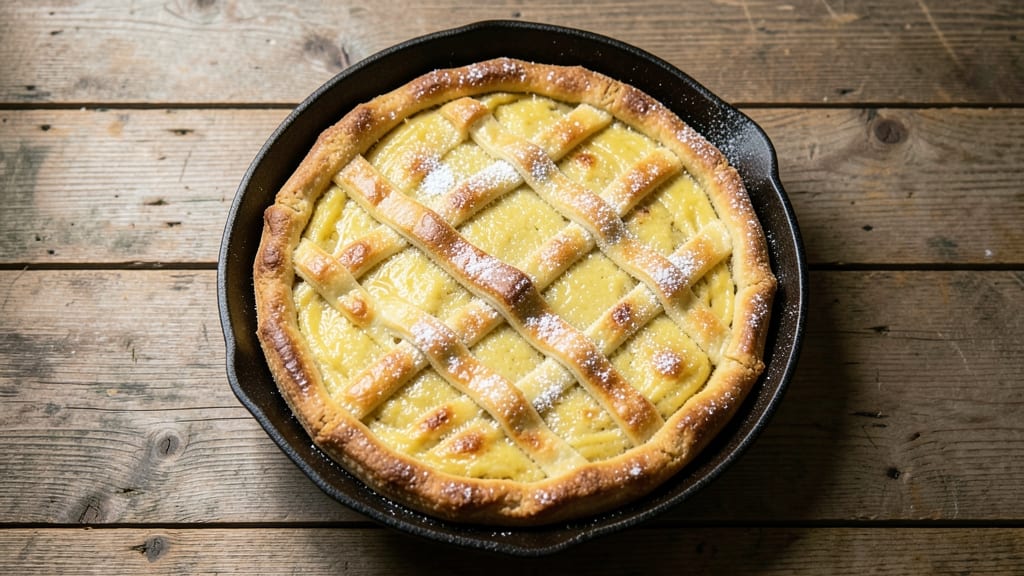
This basic chess pie recipe delivers all the creamy, dreamy comfort of Southern baking—rich, tangy cream cheese swirled into a golden crust that cracks just enough to reveal pockets of velvety filling.
The first time I made this, the aroma alone had my kitchen smelling like a Georgia bakery, and the texture? Pure magic: a tender, buttery crust supporting layers of silky, slightly tangy custard. That signature crack in the center isn’t a flaw—it’s the moment you know you’ve nailed it.
The secret lies in the balance: a foolproof cornbread-style crust (no flaky pie crust here) holds up to the dense, custardy filling while staying tender. We’re talking cornmeal, eggs, cream cheese, and just enough sugar to satisfy without overpowering the tang.
The filling gets its signature swirls from folding in softened cream cheese, creating those marbled ribbons that melt into every bite. Baking at 350°F ensures a gentle set without cracking—though if it does, that’s just part of the charm.
What you’ll end up with is a pie that’s restaurant-quality at home: a golden, slightly cracked top revealing creamy swirls beneath, with edges that stay tender rather than tough.
The flavor is where this dessert truly shines—tangy from the cream cheese, sweet from the cornmeal and sugar, and rich from the eggs and butter. It’s the kind of dessert that disappears fast, leaving only crumbs (and maybe a little guilt—worth every calorie).
Serve it warm with vanilla ice cream or a dollop of whipped cream, or let it cool slightly for cleaner slices. The crust holds up well for 2-3 days if stored properly, making it perfect for company or meal prep.
Ready to try? Let’s get to that buttery crust and tangy filling.
Ingredients for basic chess pie
Eight simple ingredients transform into that iconic Southern pie with buttery crust and creamy swirls.
| Ingredient | Amount | Notes |
|---|---|---|
| All-Purpose Flour 🌾 | 1 ½ cups | Unbleached preferred for tenderness |
| Yellow Cornmeal 🌽 | 1 cup | Fine grind for smooth texture |
| Granulated Sugar 🍚 | ¾ cup | White or light brown |
| Baking Powder 🧂 | 1 ½ tsp | Aluminum-free for best results |
| Salt 🧂 | ½ tsp | Fine sea salt preferred |
| Large Eggs 🥚 | 2 whole | Room temperature for even mixing |
| Unsalted Butter 🧈 | ½ cup | Cold, cubed for crust |
| Milk 🥛 | ½ cup | Whole milk for richness |
| Cream Cheese 🧀 | 8 oz | Room temperature, full-fat |
| Sour Cream 🥛 | ½ cup | Full-fat for creaminess |
| Vanilla Extract 🍯 | 1 tsp | Pure, high-quality extract |
| Lemon Juice 🍋 | 1 tbsp | Freshly squeezed, bright flavor |
The crust is where this pie shines. Bob's Red Mill cornmeal makes all the difference—it's finer than most, giving that tender texture. For the butter, Land O'Lakes or Plugrá are my go-tos, but any good-quality unsalted works. The key is keeping it cold when cutting into the flour mix—this keeps the crust from getting greasy. If you're in a pinch, Earth Balance vegan butter works too, though the flavor won't be identical. The cream cheese? Philadelphia is the gold standard, but any full-fat block-style brand will do—just make sure it's room temperature before mixing.
No sour cream? Greek yogurt works in a bind, though it'll be slightly tangier. Running short on vanilla? Almond extract at half the amount adds depth. The lemon juice is non-negotiable for that signature tang—bottled works if you're in a hurry, but fresh is always better. For the crust, if you can't find fine cornmeal, blend regular cornmeal in a food processor for 10 seconds. The sugar can be swapped for light brown sugar if you prefer a deeper caramel note, but white keeps things classic. And if you're worried about the crust being too dry, add an extra tablespoon of milk to the mix.
This pie tastes even better the next day once the flavors meld. Store it in an airtight container at room temperature for 2-3 days, or freeze for up to 3 months—just thaw overnight in the fridge. I like to wrap it tightly in plastic wrap before putting it in a container to keep the crust from drying out. For serving, a quick brush with melted butter right before baking makes the crust extra golden. And if you've got any leftovers, they reheat beautifully in the microwave for 20 seconds—just cover it with a damp paper towel to keep the crust from getting rubbery.
Why You'll Love This Recipe
- No-Fuss Mix-In: I swear by this recipe because it’s literally just mixing dry ingredients—no eggs, no butter, no fuss. The cornmeal gives it that signature crumbly texture without extra steps, and I’ve made it with just a whisk and a bowl while chatting on the phone.
- Sweet-Savory Balance: That first bite? Pure magic. The sugar caramelizes just enough to cut through the cornmeal’s earthiness, and the baking powder keeps it light instead of dense. It’s like dessert and breakfast had a baby, and honestly? I’ll take it any time of day.
- Picnic or Potluck Star: Between us, this pie travels better than half the desserts I’ve tried. No melting, no spills—just slice it, wrap it, and boom, you’ve got a showstopper for tailgates, church gatherings, or even a lazy Sunday brunch. (Yes, even on a Tuesday night.)
- Pantry Staple Power: I make this with ingredients I already have—no specialty items, no last-minute grocery runs. That sugar? Probably sitting in my cabinet. The flour? Same. It’s my go-to when I’ve got a crowd but zero time, and somehow, it always feels special. Budget-friendly? Absolutely. Worth it? Always.
Step-by-step instructions for Southern cream cheese pie
Here's how to build layers of buttery crust and velvety cream cheese filling for perfect pie every time.
Prepare the Crust Mixture
In a large bowl, combine the 1.5 cups all-purpose flour, 1 cup yellow cornmeal, 0.75 cup granulated sugar, 1.5 teaspoons baking powder, and 0.5 teaspoon salt. Mix these dry ingredients thoroughly with a whisk or fork until evenly distributed—this prevents lumps in your crust.
Cut in the 0.5 cup cold unsalted butter using a pastry cutter or your fingers until the mixture resembles coarse crumbs with pea-sized butter pieces. Here's the thing—don't overwork the butter or you'll end up with tough crust instead of flaky layers. Add 0.5 cup milk gradually while mixing until the dough just comes together when pressed.
Shape the dough into a disk, wrap in plastic, and chill for at least 1 hour. This resting period is crucial—it relaxes the gluten and makes rolling out much easier. I like to press it between two sheets of parchment paper before transferring to a 9-inch pie dish to prevent sticking.
Create the Cream Cheese Filling
In a separate bowl, beat the 8 ounces cream cheese until completely smooth—no lumps allowed. This takes about 1-2 minutes with an electric mixer. Add the 2 whole large eggs, 0.5 cup sour cream, 1 teaspoon vanilla extract, and 1 tablespoon lemon juice, mixing until fully combined and creamy.
Gradually whisk in the 0.75 cup granulated sugar until dissolved. Here's where it gets fun—taste the mixture. It should be sweet but not cloying, with a bright lemon note. If you want to adjust, add a pinch more sugar or lemon juice to balance the flavors before proceeding.
Real talk: Don't skip the lemon juice. It brightens the cream cheese flavor and prevents the filling from tasting too heavy. The mixture should be thick but pourable—if it's too stiff, add 1-2 teaspoons milk to reach the perfect consistency.
Assemble and Bake the Pie
Preheat your oven to 375°F. Roll out the chilled crust dough to fit a 9-inch pie dish, pressing gently to remove air bubbles. Trim and crimp the edges neatly—this prevents shrinking during baking. Here's the moment that matters: Pour the cream cheese filling into the crust, spreading it evenly to the edges.
Bake for 40-45 minutes until the crust is golden brown and the filling is set but still slightly jiggly in the center. Your oven might run hot, so start checking at the 35-minute mark. For that classic chess pie look, use a kitchen torch to lightly brown the top if desired.
Let the pie cool completely before slicing—this allows the filling to fully set. The contrast between the crisp crust and creamy filling is what makes this pie so special. Serve with vanilla ice cream or whipped cream for the ultimate Southern treat.
Pro Tips For Making Basic Chess Pie
- Preheat Pan First: I learned this the hard way—chess pie crusts stick like glue if you pour the batter into a cold pan. Heat your 9-inch pie dish for 2 minutes in a 375°F oven before adding the mixture. The crust will release cleanly, and the edges won’t turn gummy.
- Sift Dry Mix Twice: Cornmeal and baking powder love to clump, and nothing ruins chess pie like uneven texture. Sift the flour, cornmeal, sugar, baking powder, and salt together once, then sift again before mixing with the liquid. This guarantees a smooth, tender crumb—no gritty surprises.
- Skip the Overmixing: Chess pie batter is forgiving, but lumpy is not the same as rustic. Stir just until the dry ingredients disappear—about 10 strokes with a whisk. Overmixing develops gluten, and your pie will turn out dense instead of light and crumbly.
- Bake Until Golden: The moment your pie reaches 350°F internally and the edges are deep golden, pull it out—even if the center looks wet. Chess pie sets as it cools, and lingering heat will dry it out. Tent with foil if the top browns too fast, but don’t rush it.
Serving suggestions for basic chess pie
Classic Serving Style
This pie tastes best served warm straight from the oven, with a scoop of vanilla bean ice cream melting over the top. I like to use Blue Bell or Breyer's for that creamy, rich texture that complements the tangy filling.
The contrast of cold ice cream against the warm pie creates the perfect balance of temperatures and textures. For an extra touch, sprinkle a pinch of flaky sea salt on top before serving to enhance the sweet-tangy flavor profile. 🍦
Coffee Pairing
A cup of Southern-style sweet tea or a strong dark roast coffee makes an excellent pairing with chess pie. The tannins in coffee cut through the richness of the cream cheese filling, while sweet tea enhances the pie's natural sweetness.
For a modern twist, I've also enjoyed pairing it with a chilled glass of milk—the coolness helps balance the warmth of the pie. 💛
Garnish Ideas
Before serving, consider adding a few finishing touches to elevate your pie. A drizzle of caramel sauce adds a glossy sheen and extra sweetness, while a sprinkle of toasted pecans provides a delightful crunch.
For a more elegant presentation, I like to dust the top with powdered sugar using a fine-mesh sieve. These garnishes not only look beautiful but also enhance the overall flavor experience. ✨
Make-Ahead Serving
If you're planning to serve this pie at a gathering, make it a day ahead for even better results. The flavors develop overnight, and the crust holds up perfectly.
When ready to serve, simply reheat individual slices in the microwave for 15-20 seconds—cover with a damp paper towel to keep the crust tender. This method works especially well for potlucks or family gatherings where timing might be tight. 📅
Portioning Tips
Chess pie is best enjoyed in generous slices. For individual servings, cut into 8 equal wedges using a sharp knife. To make serving easier, I recommend using a pie server or a long, thin knife.
If you're serving it to a group, consider cutting it into 6 slightly larger slices for heartier portions. Always remember to let the pie cool completely before slicing to maintain its perfect texture. 🍴
Leftovers Strategy
Store any leftovers in an airtight container at room temperature for up to 2 days, or refrigerate for up to 4 days. For longer storage, wrap the pie tightly in plastic wrap and place it in the freezer for up to 3 months.
When reheating, cover the pie with a damp paper towel and warm in the oven at 300°F for 10-15 minutes to restore its creamy texture. This method ensures your leftover pie tastes just as good as the first slice. ❄️
Nutrition facts
Frequently asked questions
Why does chess pie have a crack in the center?
That signature crack is actually a sign of success! The pie's filling shrinks slightly as it cools, creating tension that causes the crust to crack. This happens because the cream cheese filling sets more slowly than the crust bakes. It's not a flaw—it's the classic Southern look that makes chess pie special.
Can I make this pie without cornmeal?
Yes, but the texture will differ. For a close substitute, use 1 cup all-purpose flour instead of the cornmeal in the crust. The crust will be lighter, but you'll still get that creamy filling. For a more authentic texture, try blending regular cornmeal into a finer powder or use polenta as a 1:1 replacement.
How do I prevent the crust from getting soggy?
Prevent soggy crust by baking the filling at 375°F for 40-45 minutes until fully set, then letting it cool completely before slicing. For extra insurance, blind-bake the crust for 10 minutes before adding the filling. Also, avoid overmixing the crust—just combine until it holds together.
What's the best way to reheat chess pie?
For individual slices, microwave for 15-20 seconds covered with a damp paper towel to keep the crust tender. For whole pies, reheat at 300°F for 10-15 minutes until warmed through. Never microwave uncovered—it dries out the crust.
Can I make this pie gluten-free?
Replace the 1.5 cups all-purpose flour with 1.5 cups gluten-free 1:1 baking flour (like Bob's Red Mill). For the cornmeal, use a certified gluten-free version. The texture will be slightly different but still delicious. The crust may need an extra 1-2 minutes of baking time.