
Desserts
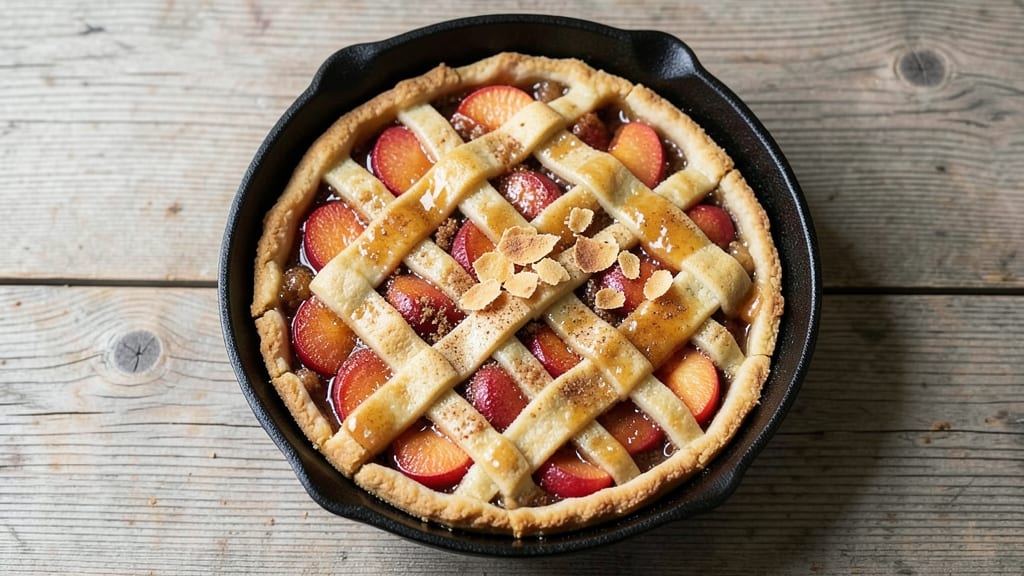
This cobbler pie recipe combines the best of two desserts in one showstopping dish—juicy spiced fruit filling nestled under a golden, buttery crust that gets crispy at the edges.
The hybrid technique I developed after years of baking both pies and cobblers separately delivers a dessert that's foolproof yet feels special enough for company. My Nonna used to make a similar version with summer peaches, and I've since perfected it for apples, berries, or even stone fruits.
The magic happens in the layers: a homemade pie crust (or store-bought for convenience) forms the base, while the fruit filling—tossed with sugar, spices, and a touch of cornstarch—creates a tender, bubbly texture.
A second crust or biscuit topping seals everything in, ensuring the fruit stays juicy while the crust achieves that perfectly golden brown finish. The result? A dessert that's crispy, creamy, and bursting with warm spice notes in every bite.
What makes this recipe stand out is its versatility—it works equally well for weeknight dinners or holiday gatherings. Serve it warm with a scoop of vanilla ice cream or a dollop of whipped cream, and watch it disappear. The secret to success?
Don’t overfill the crust, and let the fruit pre-cook slightly before baking to prevent a soggy bottom. Trust me, this hybrid dessert is a game-changer for anyone who loves comfort food with a little extra flair.
Ready to try it? The instructions walk you through every step, from rolling the crust to broiling the top for that signature caramelized finish. Whether you're using peaches, apples, or berries, this recipe delivers restaurant-quality results with minimal effort. Let's get baking!
Ingredients for cobbler pie
Six simple ingredients transform into a dessert that tastes like summer in every bite.
| Ingredient | Amount | Notes |
|---|---|---|
| All-Purpose Flour 🌾 | 3 cups | Sifted for light texture |
| Unsalted Butter 🧈 | 1 ½ cups | Cold, cubed for crust |
| Granulated Sugar 🍚 | 1 ¼ cups | Divided for filling/crust |
| Peaches 🍑 | 4 cups | Pitted, sliced (fresh or frozen) |
| Brown Sugar 🍚 | ¾ cup | Packed for fruit filling |
| Cornstarch 🌾 | 2 tbsp | For thickened fruit filling |
| Ground Cinnamon 🌿 | 2 tsp | Freshly ground preferred |
| Salt 🧂 | ½ tsp | Fine sea salt |
| Lemon Juice 🍋 | 1 tbsp | Freshly squeezed |
| Vanilla Extract 🍯 | 1 tsp | Pure extract preferred |
| Heavy Cream 🥛 | ½ cup | Full-fat for richness |
| Ice Cream 🍦 | 1 ½ cups | Vanilla, for serving |
| Eggs 🥚 | 1 whole | Large, for crust binding |
The flour and butter are your crust foundation. King Arthur flour gives the best texture, but any all-purpose works. For butter, Land O'Lakes or Plugrá are reliable—just make sure it's cold. I always use European-style butter when I can find it; it's worth the splurge for that rich flavor. The sugar should be fine granulated—no need for fancy stuff here. If you're using frozen peaches, thaw and drain them first (trust me, no one wants soggy crust). For fresh peaches, ripeness is key—they should yield slightly when pressed but not be mushy. If your peaches are rock-hard, let them sit at room temperature for an hour before prepping.
No peaches? Apples, berries, or even cherries work beautifully—just adjust the sugar to taste. The brown sugar in the filling can be swapped for white if you're watching carbs, but I prefer the depth it adds. Short on cornstarch? Arrowroot powder works 1:1. The cinnamon should be fresh—if it smells like dust, toss it. For the crust, I sometimes add a pinch of nutmeg if I'm feeling fancy, but it's not required. The heavy cream in the filling can be swapped for half-and-half if you're avoiding dairy, though the texture won't be quite as rich. And if you're feeling extra, a splash of bourbon in the filling takes this to the next level.
This keeps 3-4 days in the fridge, though it's best enjoyed fresh. The crust stays crispy for about 2 days if stored properly—wrap it tightly in plastic wrap. For make-ahead prep, assemble the pie crust and fruit filling, then refrigerate overnight. Bake straight from the fridge for even cooking. Leftovers reheat beautifully—just 30 seconds in the microwave or until warmed through. I always make a double batch because it disappears faster than you'd think. The ice cream for serving? Store-bought vanilla works fine, but homemade is obviously better if you've got it.
Why You'll Love This Recipe
- 30-Minute Magic: I swear, this pie comes together while you’re still debating what to watch on TV. Just toss peaches into a crust, sprinkle brown sugar over the top, and bake—no fussing with lattice or blind baking. The butter in that crust? Melted perfection every time.
- Sweet & Simple: That caramelized peach filling with a touch of granulated sugar? It’s like summer in a pie dish. The brown sugar crust adds this buttery crunch that makes the first bite the bite—you’ll pause mid-slice to savor it.
- Weeknight Hero: Between us, this is my go-to when I need something impressive but zero stress. Serve it warm with vanilla ice cream for company, or let it cool for a picnic—it’s just as good the next day. (Yes, even on a Tuesday night.)
- Budget-Friendly Staples: Flour, butter, sugar, and peaches? You already have half this in your pantry. I’ve made this with canned peaches in a pinch, and no one’s ever complained. Plus, it reheats beautifully—so those leftovers? Pure comfort.
Step-by-step instructions for cobbler pie recipe
Here's how to create that perfect balance of gooey fruit filling and flaky crust.
Prepare the Fruit Filling with Just the Right Thickness
In a large mixing bowl, combine the 4 cups peaches, 0.75 cup brown sugar, 2 tbsp cornstarch, 2 tsp ground cinnamon, and 0.5 tsp salt. The cornstarch is key here—it helps thicken the filling just enough to hold its shape when baked but still maintain that lovely saucy texture. You'll want the peaches to be evenly distributed with the sugar and spices coating each slice.
Add the 1 tbsp lemon juice and 1 tsp vanilla extract next. Stir everything together gently but thoroughly. The lemon juice brightens the peaches while the vanilla adds depth. You'll notice the mixture starts to release its juices—this is good! Let it sit for 10 minutes at room temperature while you prepare the crust. This resting period allows the flavors to meld slightly, giving you more cohesive filling when you bake it.
Make the Crust with Cold Butter for Maximum Flakiness
In a separate large bowl, whisk together the 3 cups all-purpose flour and 1.25 cups granulated sugar. I like to sift the flour first for a lighter texture—this prevents lumps and ensures a tender crust. Add the 1.5 cups unsalted butter, cut into cold cubes. Using a pastry cutter or your fingers, work the butter into the flour mixture until you achieve a coarse crumb texture with pea-sized butter pieces remaining.
Add the 1 whole egg and mix just until combined. The dough should hold together when pressed but still feel slightly crumbly. If it feels too dry, add 1 tablespoon heavy cream at a time until it comes together. Shape the dough into a disk, wrap it in plastic wrap, and refrigerate for 30 minutes. This chilling step is crucial—it prevents the butter from melting during baking and ensures those beautiful flaky layers we all love in a cobbler crust.
Assemble and Bake for Perfect Texture
Preheat your oven to 375°F. Grease a 9x13-inch baking dish and spread the fruit mixture evenly across the bottom. You want the peaches to be in a single layer with no thick spots—this ensures even baking. Pour the 0.5 cup heavy cream over the fruit mixture and stir gently to combine. The cream adds richness and helps create that signature bubbly texture when baked.
Roll out the chilled dough on a lightly floured surface to about 1/8-inch thickness. Cut the dough to fit your baking dish, leaving a 1-inch overhang on all sides. Carefully lift the dough and place it over the fruit mixture, pressing gently to seal the edges. Use a fork to crimp the edges and create those classic cobbler slits. Bake for 45-50 minutes until the crust is golden brown and the filling is bubbling through the slits.
Serve Warm with Ice Cream for the Ultimate Experience
Remove the cobbler from the oven and let it cool for 10 minutes. This resting period allows the filling to set slightly and makes serving easier. The crust should be crisp and the filling should have that perfect balance between thick and saucy. Scoop generous servings of 1.5 cups ice cream into bowls and place a warm slice of cobbler on top. The contrast between the warm spiced peaches and cold vanilla ice cream is what makes this dessert truly magical.
Here's the thing—this cobbler is best served immediately while the crust is still warm and crisp. If you need to reheat leftovers, cover with foil and warm in a 350°F oven for 10-15 minutes until heated through. The ice cream will melt slightly, creating a delicious sauce that enhances every bite. Enjoy your homemade cobbler pie—it's worth every minute of effort!
Pro Tips For Making Cobbler Pie
- Preheat the Pan First: I learned this the hard way—skipping this step means your peaches steam instead of caramelizing. Slide your baking dish into a 375°F (190°C) oven for 5 minutes before adding anything. The residual heat helps the fruit break down faster and develop deeper flavor.
- Pit and Slice Peaches Dry: Drain those peaches after canning or peeling, then pat them thoroughly with paper towels. Wet peaches release too much liquid, turning your cobbler into a soggy mess. A dry fruit = crisp bottom crust and a proper fruit-to-topping ratio.
- Don’t Overmix the Dough: The second you add butter to flour, stop stirring. Use a pastry cutter or your fingers to work it until pea-sized crumbs form—no bigger, no smaller. Overmixing develops gluten, and that’s how you end up with a tough, cake-like topping instead of a tender, crumbly one.
- Bake Until Golden, Not Just Set: The topping might look "done" at 20 minutes, but resist the urge to pull it out. Keep it in until the edges are deep golden brown (around 25-30 minutes total). That color means the starches have fully cooked, not just set—it’s the difference between bland and actually delicious.
Common mistakes when making this recipe
Overfilling the Crust
This is the #1 mistake I see—packing the fruit too tightly or using too much filling. The crust can only handle so much weight, and overfilling causes the fruit to spill over the edges or create a soggy bottom.
I learned this the hard way when my first attempt looked more like a fruit volcano than a pie. 🌋 Use about 4 cups of fruit for a 9x13-inch dish—any more and you risk a messy bake.
If your fruit is extra juicy (like peaches), reduce the sugar slightly to balance the moisture.
Skipping the Resting Time
Rushing the 10-minute rest for the fruit filling or the 30-minute chill for the dough is a recipe for disaster. The filling needs time to release juices and meld flavors, while the dough needs to firm up for that perfect flaky texture.
I once forgot to chill the dough and ended up with a dense, greasy mess. Trust the process—your patience will pay off with a golden, crisp crust. ⏳
Not Pre-Cooking the Fruit
Raw fruit releases too much liquid during baking, leading to a watery filling and a soggy crust. I now simmer my fruit filling for 5 minutes before assembling—just enough to soften it slightly and thicken the juices.
For peaches, a quick 3-minute sauté with a pinch of sugar does the trick. This step is especially important if using frozen fruit, which can be icier and release more moisture.
Ignoring the Broiling Step
The final 2-3 minutes under the broiler is what gives your cobbler that signature caramelized, bubbly top. Skipping this step leaves the crust pale and the filling undercooked. I always watch closely—golden brown is what you're aiming for, not burnt spots.
For extra insurance, place a silicon baking mat under the dish to prevent sticking. This is the secret to that restaurant-quality finish. 🔥
Using Warm Butter in the Dough
Cold butter is non-negotiable for a flaky crust. Warm butter melts during baking, creating a dense, greasy texture instead of those beautiful layers. I keep my butter in the freezer for 10 minutes before cubing it—this ensures it stays firm enough to create those crisp, airy pockets.
If your dough feels too crumbly, add 1 tablespoon of ice water at a time until it just holds together.
Forgetting the Cream Layer
The ½ cup heavy cream poured over the fruit before adding the crust isn't just for flavor—it creates steam during baking, which lifts the filling and gives it that signature bubbly texture. Without it, your cobbler will be flat and dense.
I also like to add 1 teaspoon of cornstarch to the cream to help thicken it slightly before pouring. This small step makes a huge difference in the final texture. 🥛
Nutrition facts
Frequently asked questions
Can I make this cobbler pie with a store-bought crust?
A store-bought crust saves time without sacrificing flavor. Just make sure it's fully thawed and rolled to fit your dish. For extra flakiness, brush the bottom with a little melted butter before adding the fruit. My Nonna always swore by homemade, but I've tested this with pie crusts and biscuit-style topping—both work beautifully.
What's the best fruit to use besides peaches?
This recipe works wonderfully with apples (tossed with cinnamon and nutmeg), berries (blueberries or blackberries), or even stone fruits like plums or nectarines. For juicier fruits like berries, reduce the sugar by 1-2 tablespoons to prevent a soggy crust. The key is using fruit that's ripe but still holds its shape when baked.
How do I prevent the crust from getting soggy?
The secret is pre-cooking your fruit slightly—simmer it for 3-5 minutes before assembling to release excess moisture. Also, chill the assembled pie for 20 minutes before baking to help the crust set. If you're worried, sprinkle a thin layer of crushed cornflakes or breadcrumbs on the bottom crust before adding the fruit filling.
Can I make this ahead of time for a party?
Yes! Assemble the pie completely (including the top crust) and refrigerate for up to 24 hours before baking. Bake straight from the fridge—just add 5-10 minutes to your baking time. For serving, reheat slices in a 350°F oven for 10 minutes to restore that warm, crispy texture. The flavors actually improve after resting overnight!
What's the difference between this and a regular cobbler?
This hybrid dessert combines a pie crust with a cobbler-style topping, creating a double-crust effect that's crispy on top and bottom. Traditional cobblers use a biscuit or dumpling topping over fruit, while this version gives you the structure of a pie with the bubbly texture of a cobbler. The result is a dessert that's easier to slice and serve than a classic cobbler.