
Desserts
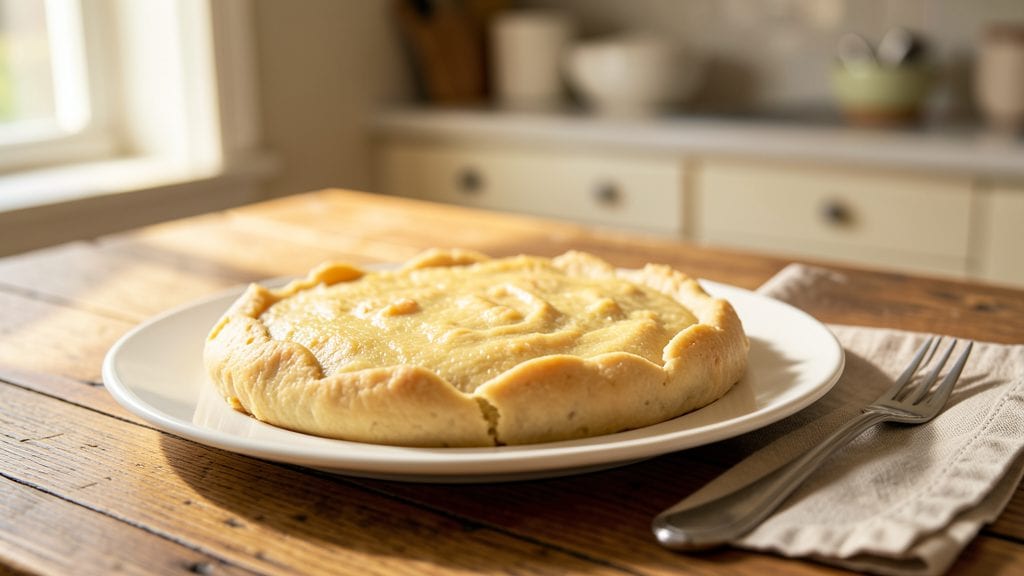
Grandma’s pie dough recipe is the foundation of every perfect dessert—crisp, flaky layers that melt in your mouth while holding their shape. This cold butter method, passed down through generations, ensures those signature shatteringly thin sheets that make apple pie legendary.
The secret lies in keeping the butter cold and cutting it precisely, a technique I’ve perfected after years of trial and error in my grandmother’s kitchen.
What sets this recipe apart is its simplicity and reliability—no fancy equipment, just a few pantry staples and patience. The dough rests in the refrigerator for at least an hour, which relaxes the gluten and creates those delicate, airy layers.
Whether you’re making a classic apple pie, a rich pumpkin tart, or a berry lattice, this dough delivers the same restaurant-quality results every time.
The final product is a golden, flaky crust with just the right balance of crispness and tenderness. When baked, it forms a lattice of delicate layers that hold up to even the juiciest fillings without becoming soggy.
This is the kind of pie crust that makes people pause mid-bite and sigh with satisfaction—proof that homemade truly tastes better.
For those with dietary needs, a gluten-free adaptation is included, though the texture will differ slightly. The key to success is maintaining the cold butter technique, which remains the cornerstone of flaky perfection. Let’s get started on creating the crust of your dreams.
Ingredients for grandma pie dough
Pantry staples meet cold butter magic—just nine ingredients for legendary flaky layers.
| Ingredient | Amount | Notes |
|---|---|---|
| All-Purpose Flour 🌾 | 3 cups | Sifted for even texture |
| Unsalted Butter 🧈 | 1 cup | Cold, cut into cubes |
| Ice Water 💧 | ½ cup | Chilled for precise mixing |
| Diamond Crystal Kosher Salt 🧂 | ½ tsp | Fine grain preferred |
| Granulated Sugar 🍚 | 2 tbsp | For subtle sweetness |
| Large Egg Yolks 🥚 | 1 whole | Cold, for binding |
| White Vinegar 🍶 | 1 tsp | For tenderizing gluten |
| Gluten-Free 1:1 Flour Blend 🌾 | 3 cups | For adaptation (optional) |
| Xanthan Gum 🧪 | ¼ tsp | For gluten-free binding |
The butter is non-negotiable here. European-style unsalted butter like Plugrá or Bergère delivers the best flavor and texture, but any good-quality cold butter works. Buy it in small blocks rather than tubs—it stays colder longer. Cut it into even 1/2-inch cubes (no pea-sized lumps!) and freeze for 10 minutes before mixing. The flour should be all-purpose, not bread flour, and King Arthur or Bob’s Red Mill are my go-tos for consistent results. Sift it first to avoid dense pockets in your crust.
No cold butter? Freeze the cubes for 15 minutes to mimic the effect. Short on vinegar? Lemon juice at the same amount works just as well. For the gluten-free version, Bob’s Red Mill 1:1 blend is foolproof, but add the xanthan gum—it’s what makes the dough hold together. The egg yolk is crucial for binding; don’t substitute with whole eggs or you’ll end up with a gummy crust. If you’re making this ahead, wrap the dough in parchment before refrigerating to prevent sticking.
This dough keeps for up to 48 hours in the fridge, wrapped tightly in plastic. For longer storage, freeze portions for up to 3 months—thaw overnight in the fridge before rolling. The cold butter technique is key: never let the dough warm up before baking, or you’ll lose those signature flaky layers. I like to roll it between two sheets of parchment to avoid sticking, and always dock it with a fork before baking to prevent puffing. A sharp knife and steady hand make all the difference when cutting out your pie shapes.
Why You'll Love This Recipe
- Cold Hands, Perfect Dough: I swear by the ice water trick—no one likes a greasy mess, and this method keeps the butter firm while I mix. Ten minutes of cutting butter into flour, a splash of ice water, and voilà: no food processor, no stress, just buttery layers that hold up like a dream.
- Butter That Sings: That cold, unsalted butter cut into flour? It’s the star. The sugar just takes it to another level—crisp edges that shatter like autumn leaves, a flaky crumb so tender it melts in your mouth. Honestly, I’ve tried store-bought crusts, but this? This is the real deal.
- Pie or No Pie: Need a pie? Done. A hand pie for a picnic? Done. Even a savory tart for brunch? Done. The dough’s so forgiving I’ve used it for everything from apple galettes to a quick cheese straw appetizer. (Yes, even on a Tuesday night.)
- Pantry Goldmine: Five ingredients, zero waste—this dough uses what you’ve got. The kosher salt? A little goes a long way, and the sugar? It’s optional, but trust me, it’s worth it. Make a double batch, freeze half, and thank me later when you’re pulling out a ready-to-bake crust in January.
Step-by-step instructions for grandma’s pie dough recipe
Here's how to create the legendary flaky texture that makes this dough legendary.
Prepare the Cold Butter and Dry Ingredients
Cut the 1 cup unsalted butter into ½-inch cubes and place them on a chilled plate. Return them to the refrigerator for 15 minutes to ensure they remain firm but not rock-hard. This cold butter is the secret to those signature flaky layers.
In a large mixing bowl, whisk together the 3 cups all-purpose flour, 3 cups gluten-free 1:1 flour blend, 0.25 tsp xanthan gum, 0.5 tsp diamond crystal kosher salt, and 2 tbsp granulated sugar. Sift the dry ingredients through a fine-mesh sieve directly into the bowl to eliminate any lumps and aerate the flour for better texture.
Cut in the Cold Butter
Add the chilled butter cubes to the dry ingredients. Using a pastry cutter or your fingers, work the butter into the flour mixture until the pieces are the size of small peas. This process, called "cutting in," distributes the fat evenly throughout the flour.
Here's the thing—don't overwork the dough at this stage. You're aiming for a texture similar to coarse crumbs with some pea-sized butter pieces remaining. If the mixture starts to clump together, return it to the refrigerator for 5 minutes to firm up the butter again before continuing.
Combine Wet Ingredients and Form the Dough
In a small bowl, whisk together the 1 whole large egg yolks, 1 tsp white vinegar, and 0.5 cup ice water. The vinegar helps tenderize the gluten, while the cold water prevents the butter from melting too quickly during mixing.
Pour the wet ingredients over the flour-butter mixture and gently stir with a wooden spoon until the dough begins to come together. Avoid overmixing—just combine until the mixture holds when pressed. If the dough feels too dry, add 1 teaspoon of ice water at a time until it forms a shaggy mass.
Chill and Shape the Dough
Turn the dough out onto a lightly floured surface and gently shape it into a rectangle about 1-inch thick. Wrap it tightly in plastic wrap and refrigerate for at least 1 hour (or up to 48 hours). This long chill time is crucial—it allows the gluten to relax and the butter to firm up, preventing the dough from shrinking or becoming tough when rolled out.
For the gluten-free version, handle the dough with extra care. The xanthan gum helps bind the flours, but the dough will be slightly more delicate. When rolling, use a gentle touch and avoid stretching the dough, which can activate gluten-like properties in the blend.
Roll and Use the Dough
Remove the dough from the refrigerator and let it sit at room temperature for 5-10 minutes before rolling. This brief warm-up makes the dough more pliable. On a lightly floured surface, roll the dough to your desired thickness—typically ⅛-inch for a top crust and ¼-inch for a bottom crust.
Transfer the rolled dough to your pie dish, gently pressing it into the corners to ensure full coverage. The dough should be cold enough to hold its shape but pliable enough to roll without cracking. If it resists rolling, return it to the refrigerator for 10-15 minutes to firm up before trying again.
Pro Tips For Making Grandma Pie Dough
- Cut Butter in Cubes—Not Slices: I learned this the hard way—slicing butter into thin pieces means more surface area that melts too fast. Use a sharp knife to cut the cold butter into ½-inch cubes (about the size of a grape). This keeps it firm longer during mixing and prevents a greasy dough.
- Use Ice Water—Really: Your instinct might be to use cold water from the tap, but that’s not the same. Fill a glass bowl with actual ice cubes and water, then let it sit for 5 minutes to chill completely. The shock of freezing water activates the gluten less, giving you a tender, flaky crust instead of a tough one.
- Skip the Overmixing: Once the dough comes together, resist the urge to knead it like bread dough. Work it just until it holds—about 10-12 strokes—or you’ll develop too much gluten and end up with a chewy mess. The goal is a shaggy, slightly crumbly texture, not a smooth ball.
- Chill the Dough Twice: After mixing, divide the dough and refrigerate it for at least 2 hours (yes, even if you’re impatient like me). Then, before rolling, give it another 15-20 minutes in the freezer on a floured tray. This prevents shrinking and ensures the butter stays solid when it hits the hot pie dish. Trust me, your crust will thank you.
Perfect pairings for this dish
Fruit Fillings
This flaky crust shines with seasonal fruit fillings like tart apple slices with cinnamon or juicy peaches tossed in lemon juice. For berry pies, use fresh or frozen strawberries, blueberries, or raspberries—just toss them with 2 tbsp cornstarch and 1 tbsp sugar to thicken the juices.
I always pre-cook the filling for 5-10 minutes to release natural pectin before pouring into the crust. 🍎
Creamy Custards
Rich custard fillings like pumpkin or pecan pair perfectly with this dough. For pumpkin pie, use a 15-ounce can of pumpkin puree mixed with ½ cup brown sugar, 2 eggs, and 1 tsp vanilla extract.
Bake at 375°F for 45-50 minutes until the center is just set. The flaky crust prevents sogginess while complementing the custard’s smooth texture.
Savory Options
Don’t limit this dough to desserts—try a savory galette with caramelized onions, Gruyère cheese, and thyme. Or make a quiche by filling a pre-baked crust with 6 eggs, 1 cup heavy cream, and your choice of veggies like spinach or mushrooms.
The dough’s buttery richness balances savory flavors beautifully. 🧀
Ice Cream Pairings
Serve warm pie slices with vanilla bean ice cream or coffee-flavored gelato for a classic dessert combo. The cold ice cream contrasts the warm crust, creating a perfect balance.
For a boozy twist, drizzle with caramel sauce infused with 1 oz bourbon or 2 tbsp dark rum. This elevates the experience without overpowering the pie’s natural flavors.
Beverage Pairings
A bold black coffee cuts through the richness of a sweet pie, while chilled sparkling wine like Prosecco complements berry pies. For custard pies, a smooth Chardonnay with buttery notes enhances the flavors. Avoid overly sweet drinks—they’ll clash with the crust’s delicate balance. 🍷
Garnish Ideas
Finish your pie with a sprinkle of flaky sea salt to highlight sweetness or a dusting of powdered sugar for a snowy effect. Fresh herbs like mint or thyme add a bright contrast, while a drizzle of honey or maple syrup adds a subtle sweetness.
For a rustic touch, brush the crust with egg wash before baking for a golden finish.
Nutrition facts
Frequently asked questions
Why does this recipe use cold butter instead of room-temperature butter?
The cold butter creates those signature flaky layers by melting slowly during baking. When you cut the cold butter into the flour, it creates tiny pockets of fat that steam and expand, creating delicate sheets. Room-temperature butter would melt too quickly, resulting in a tough, dense crust instead of the light, airy texture you want.
Can I make this dough without a food processor?
Use your fingers or a pastry cutter to work the cold butter into the flour until you get pea-sized pieces. Just work quickly and keep everything cold—if the mixture gets too warm, return it to the fridge for 5 minutes to firm up the butter before continuing.
How do I fix dough that's too sticky or crumbly?
If your dough feels too sticky, add 1 teaspoon of ice water at a time until it comes together. For crumbly dough, gently knead in 1 tablespoon of cold water while keeping everything cold. The key is patience—never overwork the dough, or you'll develop too much gluten and lose that tender texture.
Is it better to roll out the dough between parchment paper?
Yes! Rolling between two sheets of parchment prevents sticking and makes transferring the dough into your pie dish much easier. Plus, it keeps the dough from warming up too quickly. Just remove the top sheet before placing it in your pie pan.
Can I use this dough for a deep-dish pie?
This recipe works best for single-crust pies or lattice tops. For deep-dish pies, you'll need a thicker dough (about 1/2-inch thick) and may want to add an extra 1/4 cup of butter to prevent shrinking. The cold butter method still applies, but you'll need to adjust the rolling and baking times accordingly.